Butter Conversion: How Many Sticks in 1 Cup? Measure Butter in Grams
Stick of Butter Conversion Guide: How Many Sticks of Butter Equal 1 Cup? When you’re cooking or baking, recipes often call for butter in different units—sometimes in sticks, sometimes in cups, grams, or tablespoons. This can make it confusing to know how much butter you actually need. Understanding butter conversion is essential if you want … Read more
By Menu Moments
Menu Moments editorial
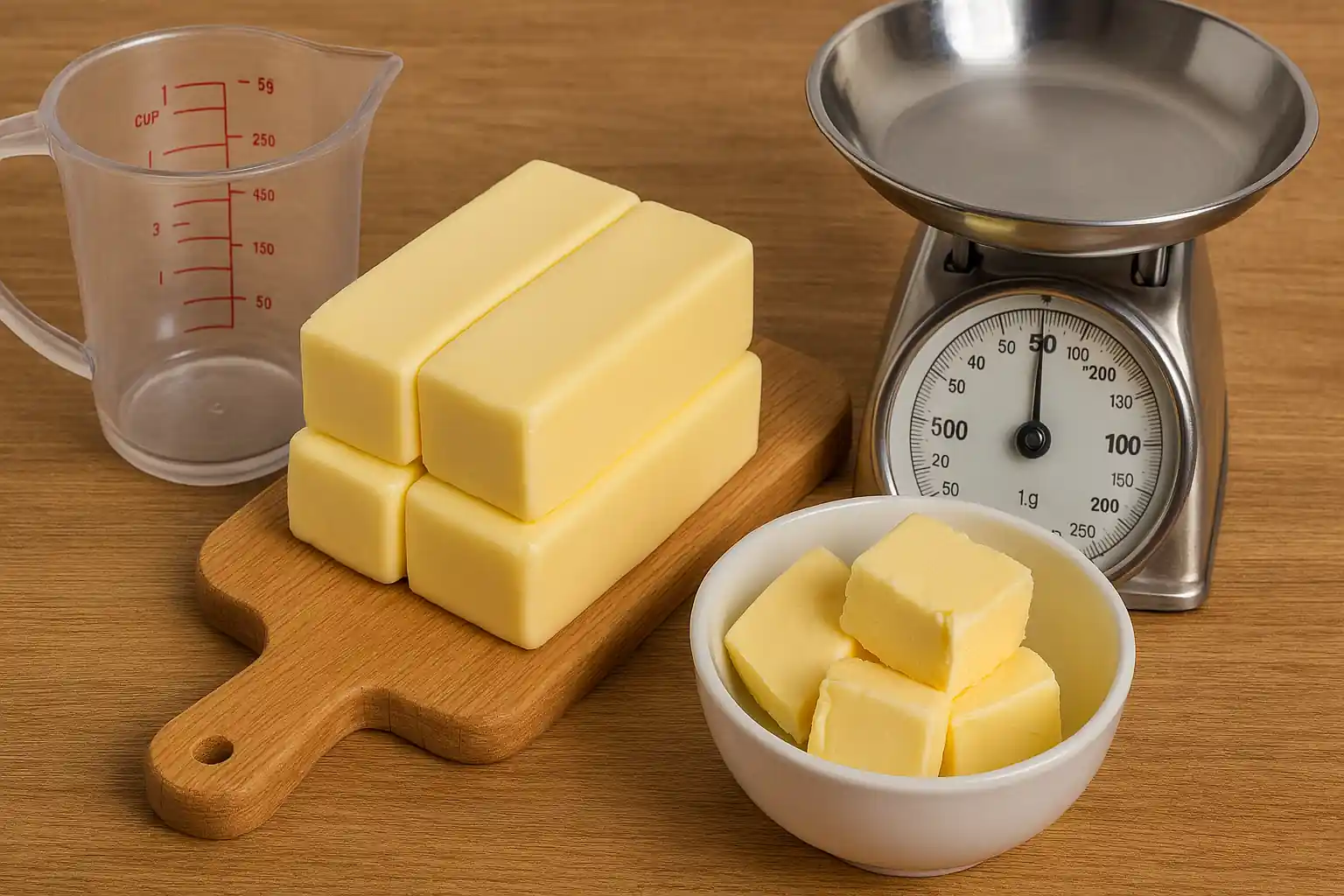
Stick of Butter Conversion Guide: How Many Sticks of Butter Equal 1 Cup?
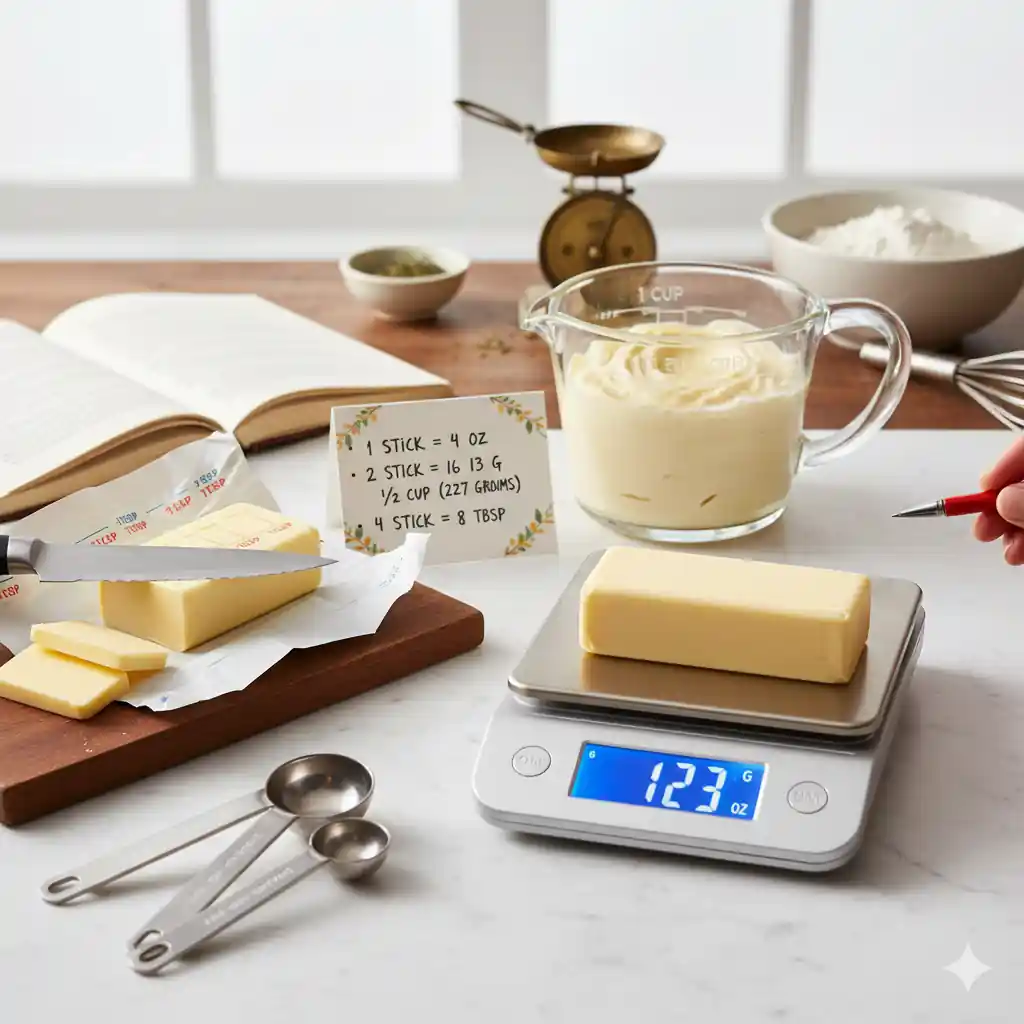
When you’re cooking or baking, recipes often call for butter in different units—sometimes in sticks, sometimes in cups, grams, or tablespoons. This can make it confusing to know how much butter you actually need. Understanding butter conversion is essential if you want consistent results, especially in baking, where accuracy matters. This article walks you through butter measurements, explains how to read a butter conversion chart, and gives you practical ways to measure butter whether your recipe calls for cups, grams, or sticks. By the end, you’ll never wonder again how many sticks of butter equal 1 cup.
What is a Stick of Butter and Why Does It Matter in Conversion?
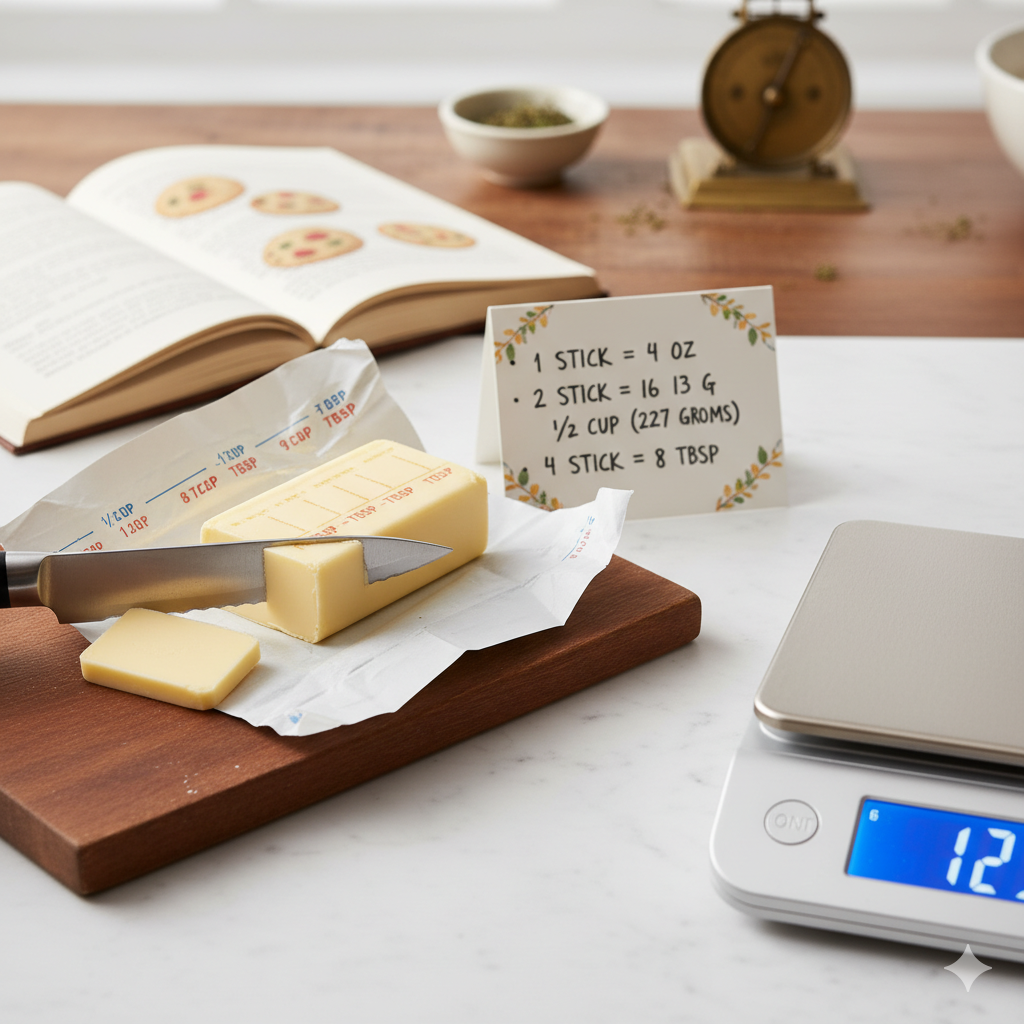
A stick of butter is one of the most commonly used units in American cooking and baking. A standard stick of butter equals 4 ounces, or 8 tablespoons. In metric terms, that’s about 113 grams. Many recipes in the United States call for butter by the stick, while recipes from other countries often use grams or cups instead. This is why understanding butter conversion is so important.
When a recipe calls for butter, it’s crucial to know how to measure it properly. If you add too much butter, your cookies might spread too thin. Too little, and they could turn out dry. Whether you are measuring in cups or tablespoons, knowing how to convert a stick of butter into the right measurement ensures your recipes work as intended.
How to Use a Butter Conversion Chart for Accurate Baking
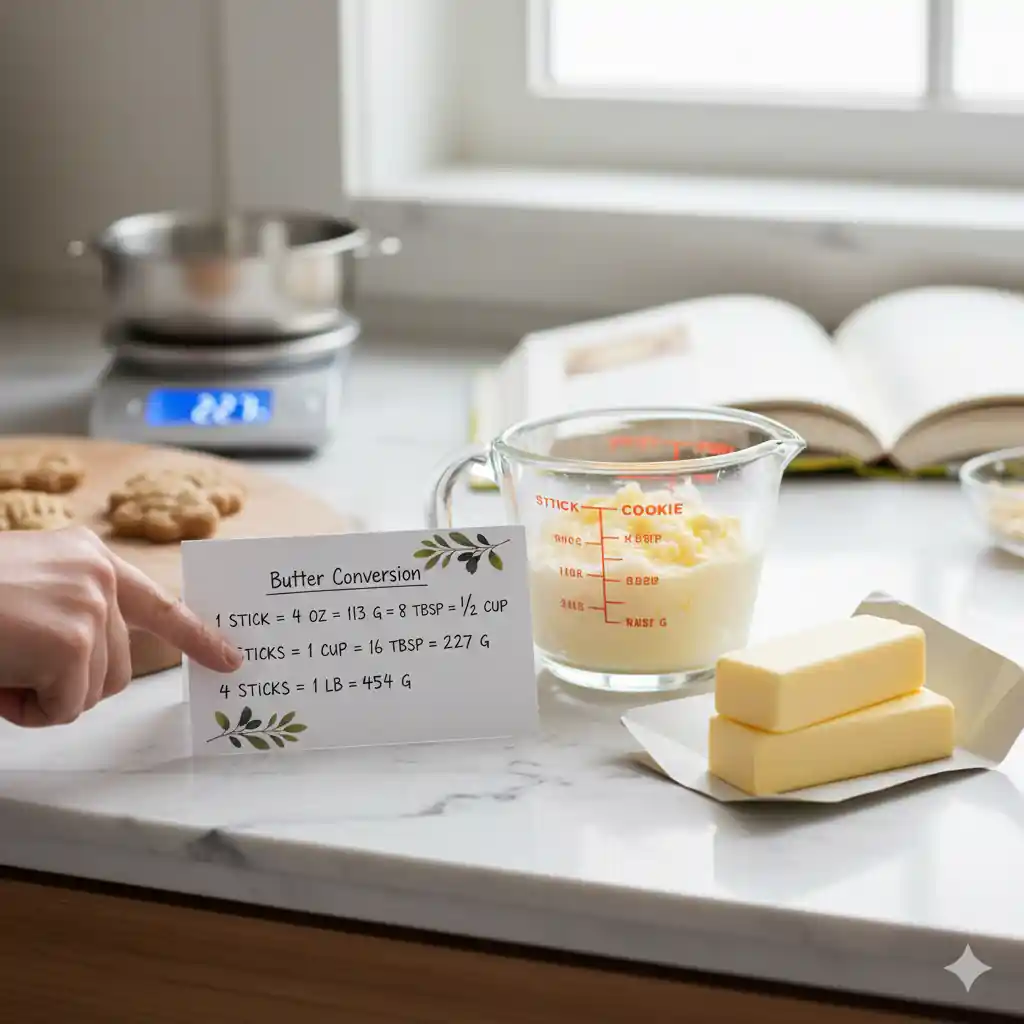
A butter conversion chart is an easy way to see how sticks, cups, tablespoons, and grams relate to one another. For example, one stick of butter equals 8 tablespoons or half a cup of butter. Two sticks equal 1 cup of butter, and four sticks equal 1 pound of butter.
Using a conversion chart makes it easy to convert sticks of butter into grams if you’re following an international recipe. For instance, if a recipe calls for 227 grams of butter, you know that equals 2 sticks of butter, or 1 cup. This conversion table approach helps avoid mistakes and makes baking and cooking much simpler.
How Many Tablespoons Are in One Stick of Butter?
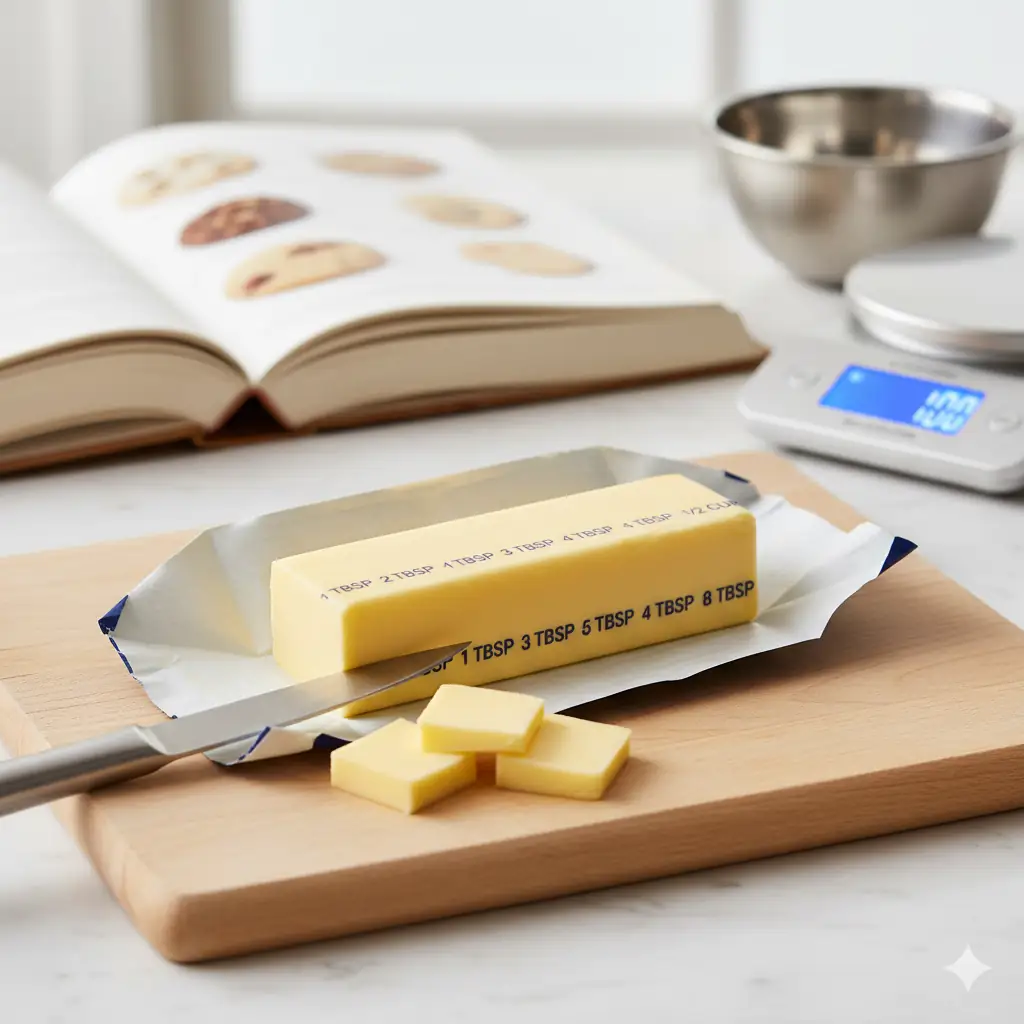
One stick of butter equals 8 tablespoons. This is often printed on the butter wrapper, making it easy to cut off the exact amount you need. If your recipe calls for a tablespoon of butter, you can easily slice it from the stick using the wrapper markings.
This is especially helpful when a recipe calls for just a few tablespoons of butter instead of a full stick. For example, if you need 4 tablespoons, that’s half a stick of butter. If you need 16 tablespoons, that’s equal to two sticks of butter, or one cup of butter. Knowing these simple conversions helps you measure butter without guesswork.
How Much Butter is in One Cup of Butter?
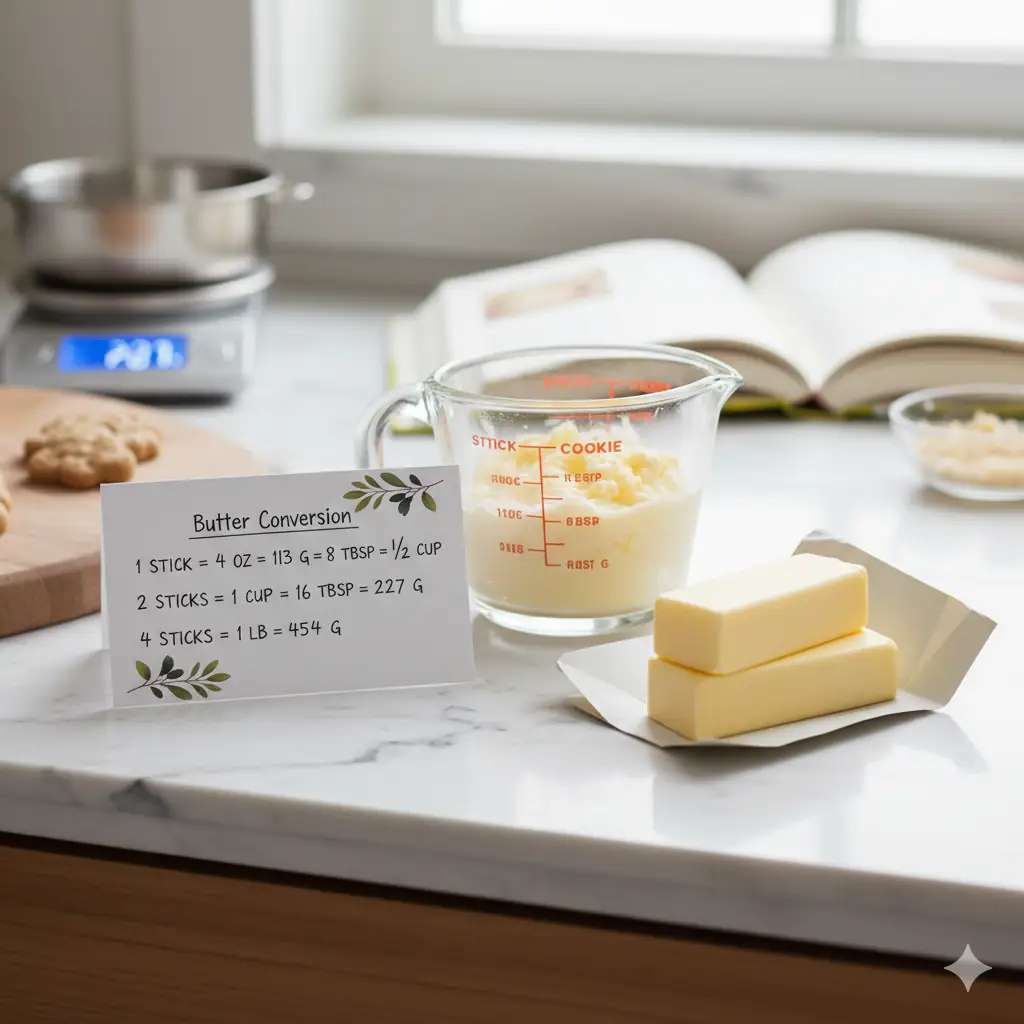
One cup of butter is equal to 2 sticks, or 16 tablespoons. This is one of the most important butter conversions you’ll use in baking. A cup of butter is commonly used in recipes for cookies, cakes, and pastries, where the right amount of fat is essential for texture.
If your recipe lists butter in cups but you only have sticks, simply remember: 1 cup = 2 sticks. Likewise, if your recipe uses grams, 1 cup of butter equals about 227 grams. This makes it easy to convert between cups and grams without worrying about measuring mistakes.
Conversion Between Sticks of Butter and Grams
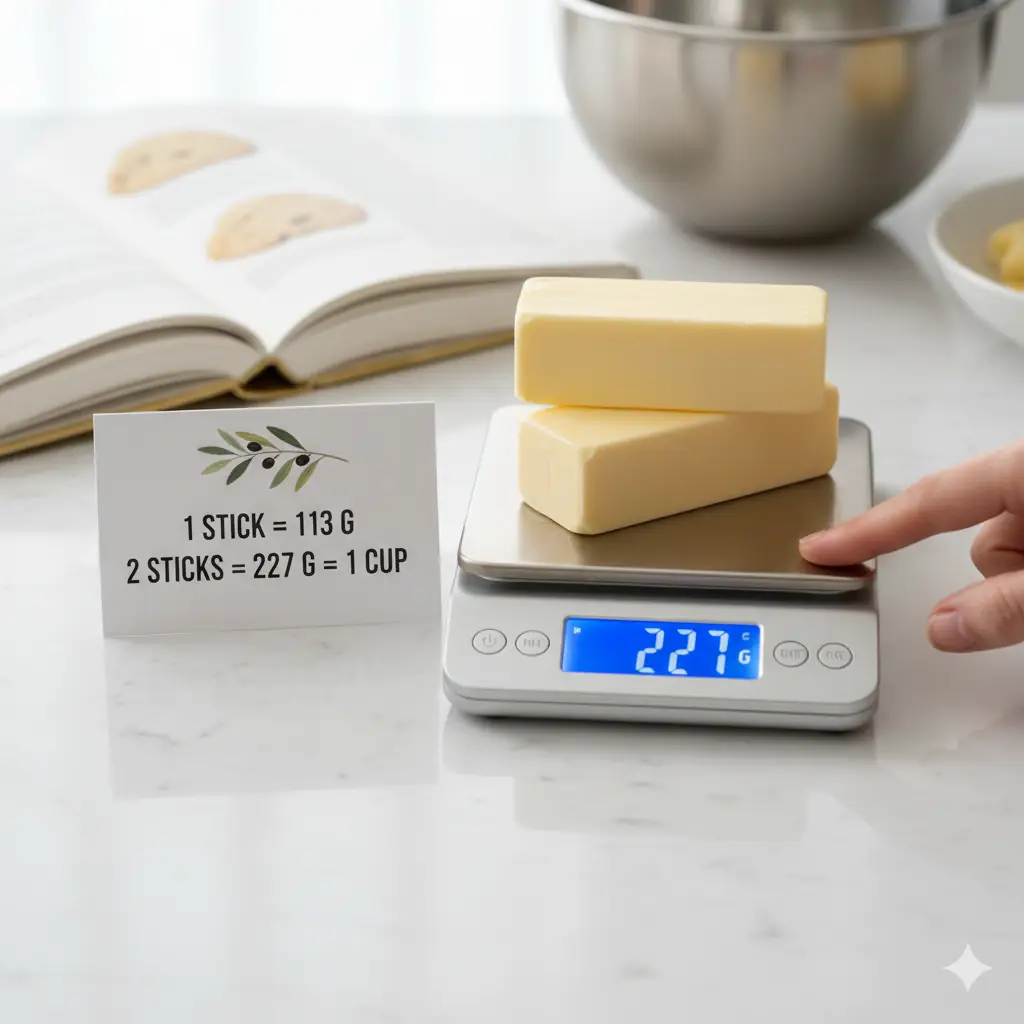
Since many international recipes list butter in grams, it helps to know how to convert. One stick of butter equals 113 grams. Two sticks equal 227 grams, or one cup of butter. Four sticks equal a pound of butter, which is 454 grams.
If you have a food scale, measuring butter in grams can be the most accurate way. Some recipes, especially in baking, are very sensitive to the amount of fat. Using a scale ensures that you are not relying on butter sticks or measuring cups, which can sometimes be inconsistent.
What Does One Stick of Butter Weigh?
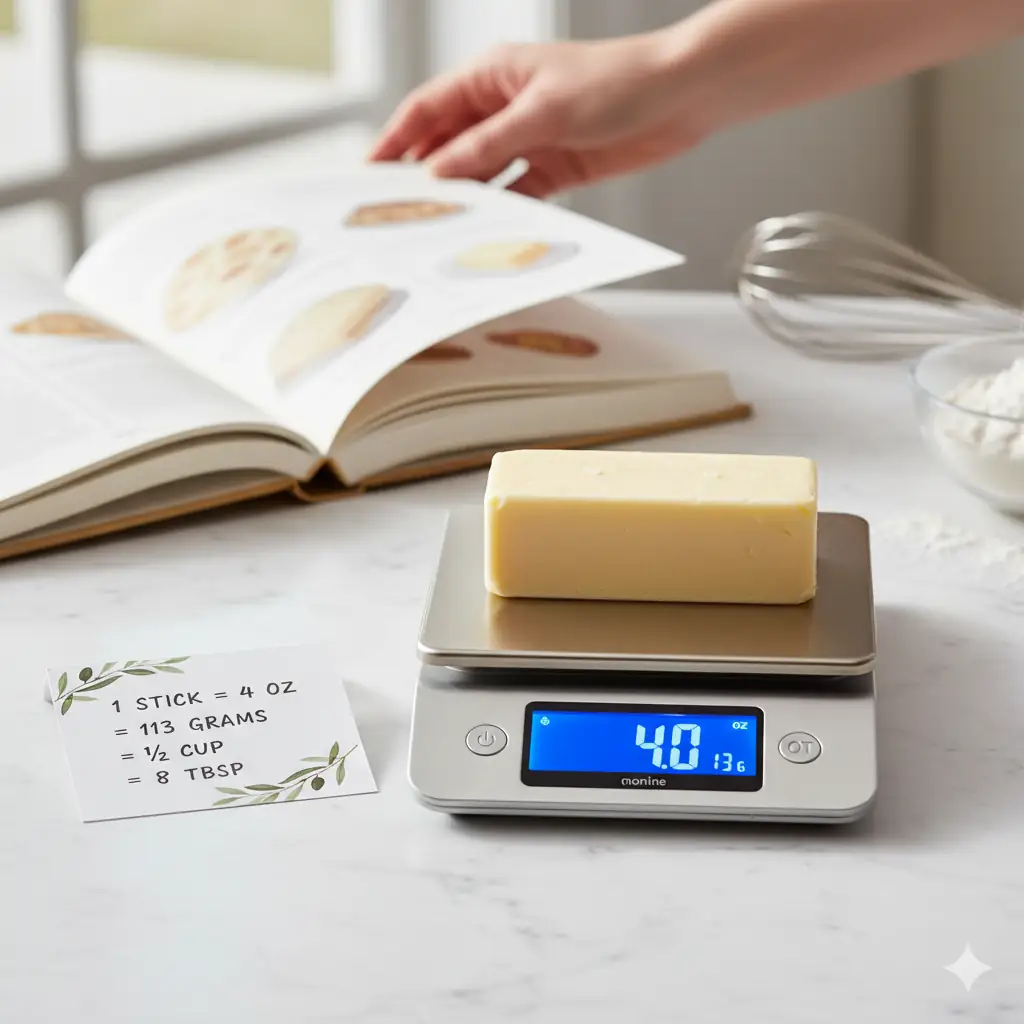
One stick of butter weighs 4 ounces. That’s equal to 113 grams, or half a cup. This makes it easy to convert between ounces, grams, and cups depending on what your recipe calls for.
It’s also important to note that one stick of butter equals 8 tablespoons. If you see a recipe calling for 4 ounces of butter, you know that means one stick. If it calls for 8 ounces, that equals two sticks, or one cup of butter. Understanding these conversions ensures your baking turns out correctly.
How to Measure Butter Without a Measuring Cup
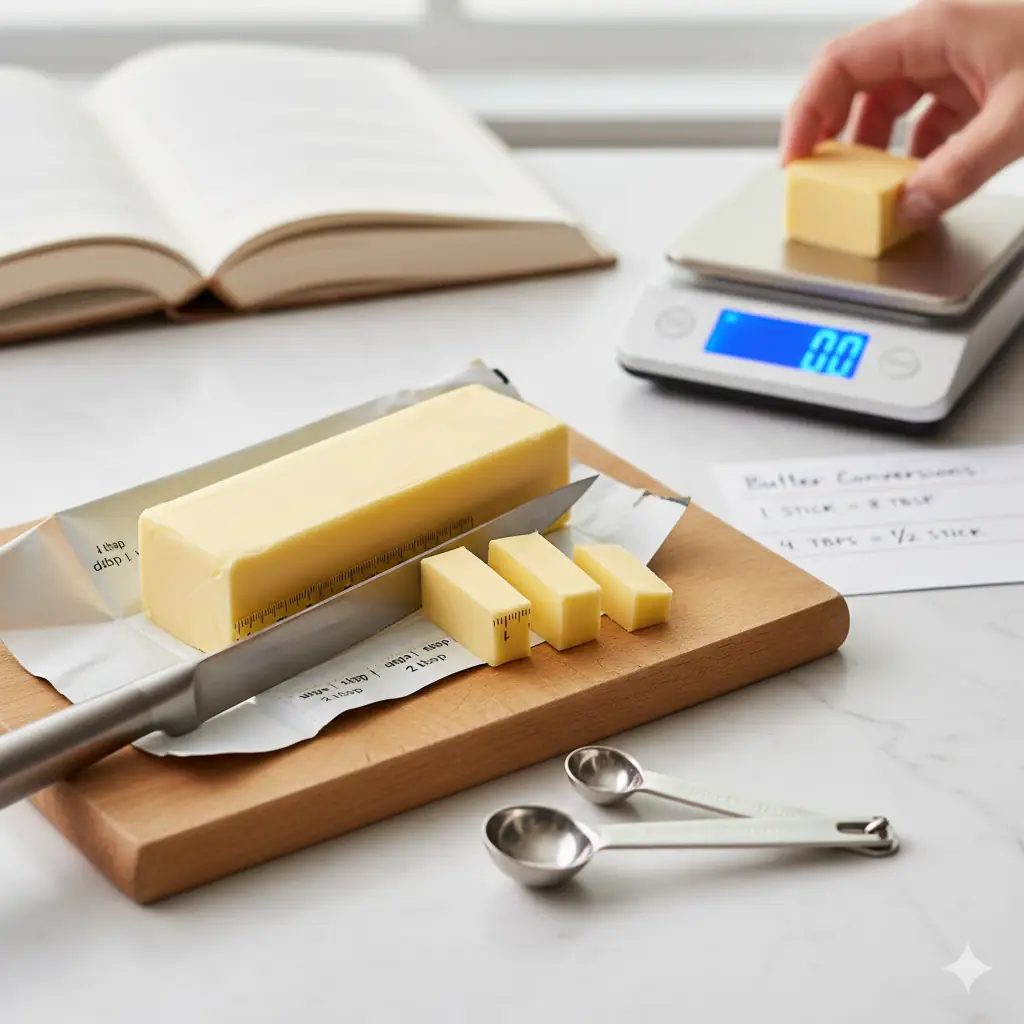
If you don’t have a measuring cup, you can still measure butter accurately. Most sticks of butter in the U.S. come with tablespoon markings on the wrapper. Each mark equals one tablespoon of butter, making it easy to cut off the amount you need.
Another way to measure butter is by weight. Using a food scale, you can weigh out grams or ounces. For example, if you need half a cup of butter, that’s 113 grams or one stick. If you need a tablespoon of butter, weigh about 14 grams. This is an easy way to measure butter when you don’t have traditional measuring cups available.
Different Types of Butter and Their Effect on Measurements
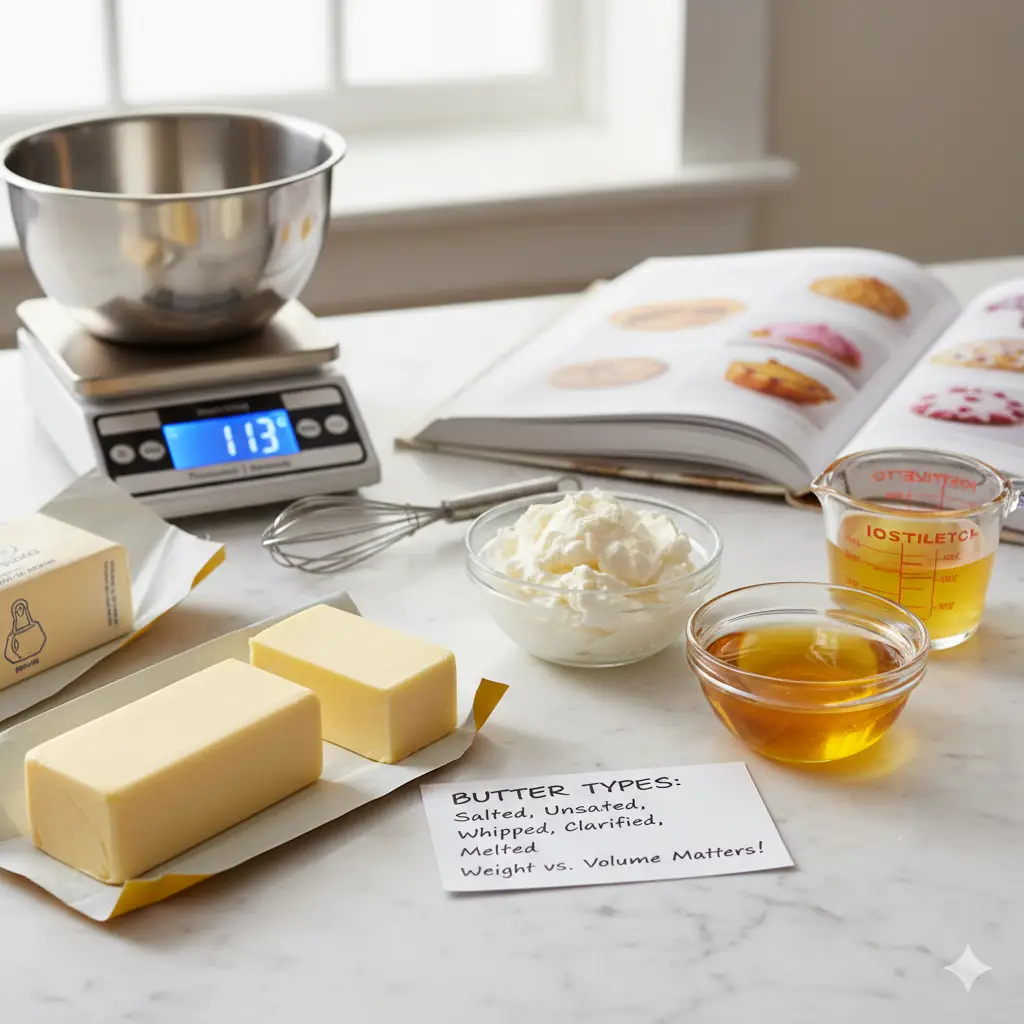
While a stick of butter is a standard unit, different types of butter can affect how recipes turn out. Salted butter and unsalted butter weigh the same, but salted butter adds flavor and sodium, which may affect baking results. Many bakers prefer using unsalted butter so they can control the amount of salt in the recipe.
Other types of butter, like whipped butter, clarified butter, or melted butter, also change the volume. For example, whipped butter has more air, so a tablespoon of whipped butter weighs less than a tablespoon of stick butter. Melted butter takes up less space in a measuring cup because it’s in liquid form. Knowing these differences helps when following recipes accurately.
Why Recipes Call for Butter in Different Units
Recipes may list butter in sticks, cups, grams, or tablespoons depending on where they come from. In the U.S., butter is often measured in sticks or cups, since butter is typically sold in 4-ounce sticks. International recipes usually call for butter in grams.
This variation means that understanding butter conversion is key to cooking and baking worldwide. If a recipe calls for butter in grams but you only have sticks, knowing that one stick equals 113 grams makes it easy to adjust. Being comfortable with different butter measurements lets you confidently try recipes from different countries without worrying about mistakes.
Common Butter Conversions for Everyday Cooking and Baking
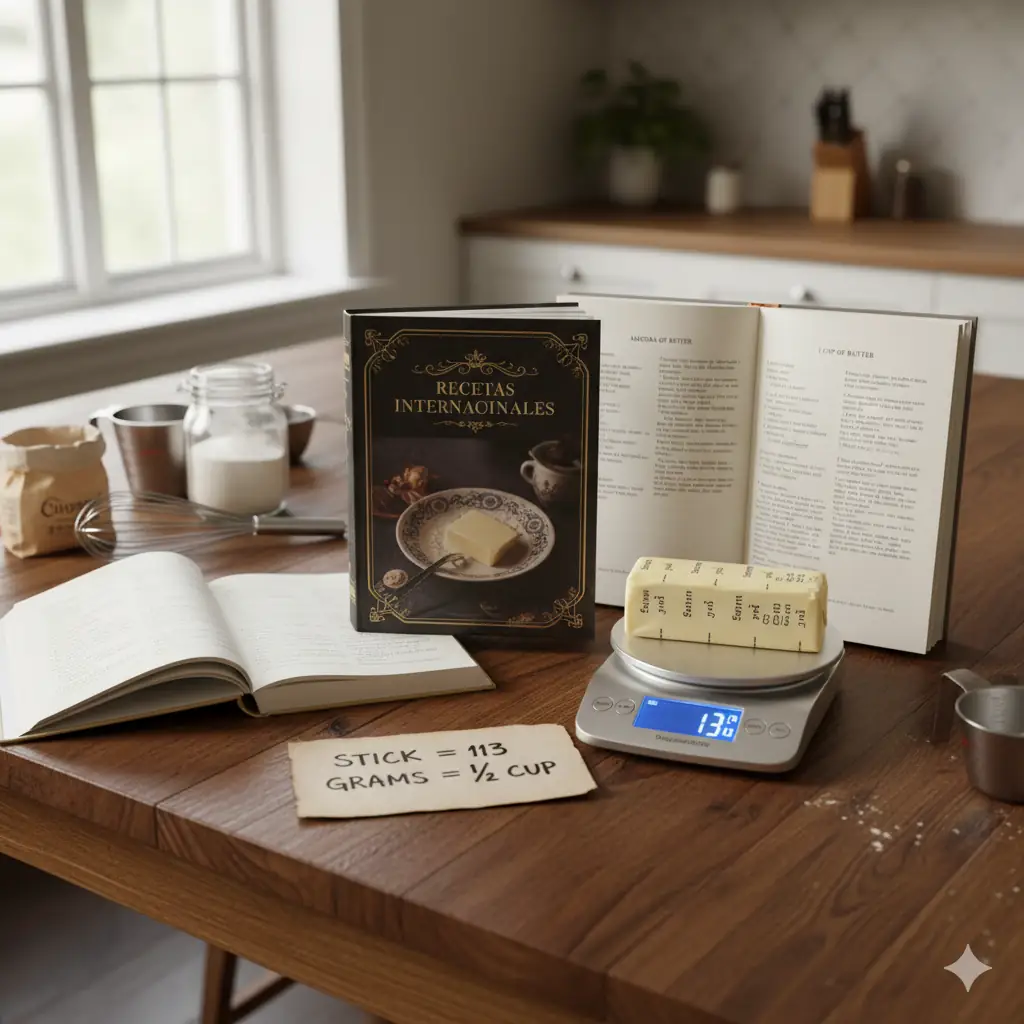
Here’s a quick overview of the most common butter conversions:
-
1 stick of butter = 8 tablespoons = ½ cup = 113 grams = 4 ounces
-
2 sticks of butter = 1 cup = 16 tablespoons = 227 grams = 8 ounces
-
4 sticks of butter = 2 cups = 1 pound = 454 grams = 16 ounces
These butter conversions are commonly used in baking and cooking. Whether your recipe calls for one stick of butter, two sticks, or a pound of butter, knowing these numbers makes it easy to adjust. If you ever get confused, keep a butter conversion chart in your kitchen for quick reference.
For a quick and reliable butter measurement guide, bookmark this Butter Conversion Guide – How Many Tablespoons in a Stick of Butter to make cooking and baking more accurate every time.
Summary: Key Butter Conversion Takeaways
-
One stick of butter equals ½ cup, 8 tablespoons, 4 ounces, or 113 grams.
-
Two sticks of butter equal one cup of butter, or 227 grams.
-
Four sticks equal one pound of butter, or 454 grams.
-
A cup of butter equals 16 tablespoons, or 227 grams.
-
Salted butter, unsalted butter, whipped butter, and clarified butter can change recipe results but not the basic weight conversions.
-
Butter wrappers often include tablespoon markings, making it easy to measure without a cup.
-
A food scale gives the most accurate butter measurements, especially in baking.
-
Keep a conversion chart handy to quickly convert sticks, cups, tablespoons, and grams.
With these butter conversions in mind, you’ll always know how much butter to use, no matter what your recipe calls for.
Enjoyed this tip?
A weekly hit of kitchen know-how.
Tips, techniques and small upgrades — every Sunday.
Keep reading
More from Cooking tips
 →
→Foods That Start With U: Ideas, Facts & More
Foods That Start with U: A Comprehensive Guide to Unique and Delicious Dishes When it comes to exploring the diverse world of food, the letter “U” offers a wide variety of unique and flavorful options. From savory dishes to sweet treats, foods starting with U are as diverse as they are delicious. Whether you’re a … Read more
· 6 min read
 →
→20 Foods That Start With K: Tasty Foods Starting With the Letter K
20 Foods That Start with K: Exploring the Culinary World of K-Flavors Are you curious about foods that start with the letter K? From vibrant fruits to delicious dishes, the letter K has a variety of exciting foods that are perfect for anyone looking to explore new flavors. This comprehensive guide will take you through … Read more
· 6 min read
 →
→Foods That Start With the Letter J
Foods That Start with the Letter J: A Complete Guide to Delicious Dishes and Ingredients When it comes to food, the letter J has a rich variety of options that range from hearty dishes to refreshing fruits and vegetables. Whether you’re a foodie, a culinary enthusiast, or simply curious, this guide is here to give … Read more
· 6 min read