Chocolate Has Caffeine? How Much Caffeine is in Chocolate?
Chocolate and Caffeine: How Much Caffeine Is in Chocolate Compared to Coffee? Chocolate is one of the world’s most beloved treats, enjoyed in desserts, drinks, and even savory dishes. But many people wonder: does chocolate contain caffeine, and if so, how much caffeine is in chocolate compared to coffee or tea? Since chocolate is made … Read more
By Menu Moments
Menu Moments editorial
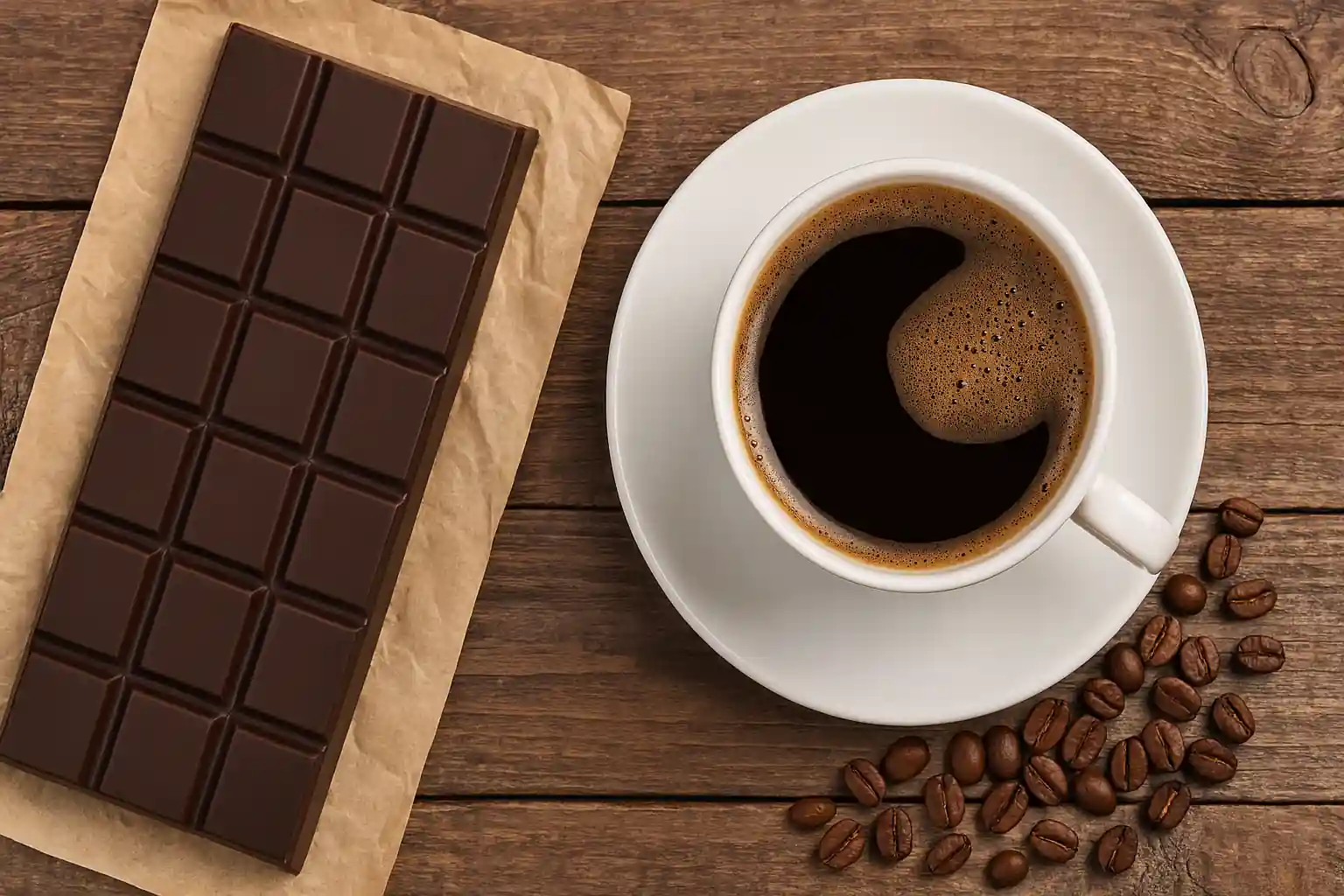
Chocolate and Caffeine: How Much Caffeine Is in Chocolate Compared to Coffee?
Chocolate is one of the world’s most beloved treats, enjoyed in desserts, drinks, and even savory dishes. But many people wonder: does chocolate contain caffeine, and if so, how much caffeine is in chocolate compared to coffee or tea? Since chocolate is made from the cacao bean, it naturally has caffeine and another stimulant called theobromine. Understanding the caffeine content in chocolate is important for anyone who is sensitive to caffeine or who wants to know how chocolate fits into their daily caffeine intake.
This article breaks down everything you need to know about chocolate and caffeine. We will explore the caffeine content of different types of chocolate, compare chocolate to coffee, examine the role of theobromine, and answer common questions like whether white chocolate contains caffeine. By the end, you’ll have a clear idea of how much caffeine is in chocolate and what it means for your diet.
What Is Chocolate and Where Does the Caffeine Come From?
Chocolate is made from the cocoa bean, which naturally contains both caffeine and theobromine. These compounds are part of a group called methylxanthines, which are natural stimulants. When cocoa beans are fermented, dried, and roasted, they produce cocoa solids and cocoa butter—the main ingredients used to make chocolate.
Since caffeine is found in cocoa, all true chocolate contains at least some caffeine. The exact amount of caffeine depends on the type of chocolate and the percentage of cocoa solids. The higher the cocoa content, the more caffeine the chocolate contains. This is why dark chocolate, which has a higher percentage of cocoa solids, generally has more caffeine than milk chocolate.
Understanding this process helps explain why chocolate products may vary so much in their caffeine content. For instance, a dark chocolate bar with 85% cocoa can contain significantly higher caffeine levels than a standard serving of milk chocolate with only 30% cocoa.
How Much Caffeine Content Is Found in Chocolate?
The caffeine content in chocolate varies, but it is generally much lower than in coffee. On average, a one-ounce serving of dark chocolate contains about 20–30 mg of caffeine, while milk chocolate usually contains less, around 5–10 mg per ounce. For comparison, a cup of brewed coffee contains around 95 mg of caffeine, depending on brewing method and coffee beans.
The question “how much caffeine is in chocolate?” depends on several factors: the percentage of cocoa solids, the type of processing used, and even the brand. Some chocolate products may also have additional caffeine added, especially in energy bars or caffeinated snacks.
While the amount of caffeine in chocolate is relatively low compared to coffee or energy drinks, it can add up if you’re eating chocolate frequently or drinking multiple cups of hot chocolate.
Does Dark Chocolate Have More Caffeine Than Milk Chocolate?
Yes, dark chocolate contains more caffeine than milk chocolate because it has a higher percentage of cocoa solids. A serving of dark chocolate (about one ounce) may have 20–40 mg of caffeine, while a serving of milk chocolate typically has only about 5–10 mg.
The reason for this is that milk chocolate contains less cocoa and more added sugar and milk powder, which dilutes the caffeine content. In contrast, chocolate with a high percentage of cocoa—such as 70% or higher—delivers more caffeine, similar to the way a cup of hot chocolate made with real cocoa has more caffeine than one made with sweetened cocoa mix.
This means that people who are sensitive to caffeine may want to choose milk chocolate or limit their consumption of dark chocolate, especially in the evening.
What About White Chocolate—Does It Contain Caffeine?
Unlike milk or dark chocolate, white chocolate does not contain cocoa solids. Since caffeine is primarily found in the cocoa solids, white chocolate contains little to no caffeine. Instead, it is made from cocoa butter and cocoa solids’ absence, sugar, and sometimes milk powder.
That means if you are avoiding caffeine but still want to enjoy chocolate, white chocolate is generally the best option. However, some people argue that white chocolate is not true chocolate because it lacks cocoa solids, which are the main ingredient in chocolate that gives it its characteristic flavor and stimulant effects.
In other words, white chocolate does not contain significant amounts of caffeine, making it suitable for those who want chocolate flavor without the caffeine boost.
How Much Caffeine Is in Different Types of Chocolate?
The caffeine levels in chocolate depend on the different types of chocolate:
-
Dark chocolate bar (70–85% cocoa): about 20–40 mg of caffeine per ounce.
-
Milk chocolate or white chocolate: about 5–10 mg of caffeine per ounce for milk chocolate; white chocolate does not contain measurable caffeine.
-
Hot chocolate: a cup of hot chocolate can contain 5–20 mg of caffeine depending on how it is prepared.
This shows that the amount of caffeine in chocolate is small compared to a cup of brewed coffee contains around 95 mg. However, if you consume a large amount of chocolate, such as multiple servings of a dark chocolate bar, your caffeine intake can increase.
The Role of Theobromine Alongside Caffeine in Chocolate
One important factor to note is that chocolate contains not only caffeine but also theobromine. This compound is similar to caffeine and has mild stimulant effects. The combination of theobromine and caffeine is what makes chocolate unique.
Although caffeine in chocolate is lower than in coffee, the theobromine content is usually higher. For example, a dark chocolate bar may contain 200 mg of theobromine compared to 30 mg of caffeine. Together, caffeine and theobromine provide a gentle stimulant effect, which is why eating chocolate can improve mood and alertness.
In short, caffeine may not be the only reason chocolate makes you feel energized—theobromine plays an equally important role.
How Much Caffeine Is in a Chocolate Bar or Hot Chocolate?
The chocolate caffeine amount in everyday treats can be broken down like this:
-
A serving of chocolate (about one ounce of milk chocolate) has around 5 mg of caffeine.
-
A serving of dark chocolate with 70% cocoa can have 20–40 mg.
-
A cup of hot chocolate usually has 5–20 mg, depending on preparation and brand.
So while chocolate provides some caffeine, it is much lower than a coffee or energy drink. Still, if you are already drinking coffee, tea, or soda, chocolate products may contribute to your total caffeine intake.
Caffeine in Chocolate Compared to Coffee and Tea
When people ask “how much caffeine is in chocolate compared to coffee?” the answer is clear: chocolate has far less. While a cup of brewed coffee contains around 95 mg of caffeine, a dark chocolate bar may only have 20–40 mg.
This means chocolate is unlikely to replace your morning coffee, but it can add a small caffeine boost. The levels of caffeine due to cocoa solids are much lower than what you’d find in coffee beans or tea leaves. However, the combination of caffeine and theobromine makes chocolate feel stimulating in a gentler way.
So while chocolate is like coffee in that it can increase alertness, it cannot compete with coffee’s higher caffeine content.
Does the Percentage of Cocoa Solids Affect Caffeine Levels?
Yes, the darker the chocolate, the more caffeine it contains. This is because the percentage of cocoa solids is directly related to caffeine levels. A chocolate with a high percentage of cocoa, such as 85%, will naturally have a higher caffeine content.
This is why dark chocolate helps people feel more awake compared to milk chocolate. It’s also why nutrition labels sometimes list the mg of caffeine in products made with cocoa beans contain high cocoa percentages.
Therefore, to determine the amount of caffeine in a chocolate product, look at the percentage of cocoa solids—the higher the percentage, the stronger the stimulant effect.
Should You Worry About Caffeine Intake from Chocolate?
For most people, the amount of caffeine in chocolate is not a concern. Even a serving of dark chocolate has far less caffeine than tea and coffee. However, if you are sensitive to caffeine, you may notice the effects of eating chocolate late at night.
Children, pregnant women, and those avoiding stimulants should be mindful of how much caffeine in chocolate they consume. Still, chocolate does contain caffeine in relatively small amounts, and unless you are eating multiple chocolate bars daily, your caffeine intake from chocolate is minimal.
For smart tips on keeping your butter fresh and safe—whether in the fridge or on the counter—discover this helpful Butter and Refrigeration: Do You Really Need to Refrigerate Butter? guide.
Key Takeaways
-
Chocolate comes from the cocoa bean, which naturally contains caffeine and theobromine.
-
Chocolate does contain caffeine, but the amount of caffeine in chocolate is much lower than in coffee.
-
Dark chocolate contains more caffeine because of its higher percentage of cocoa solids.
-
White chocolate does not contain caffeine since it lacks cocoa solids.
-
The theobromine and caffeine combination provides a mild stimulant effect when eating chocolate.
-
A serving of milk chocolate has about 5 mg of caffeine, while a serving of dark chocolate may have 20–40 mg.
-
Hot chocolate typically contains 5–20 mg of caffeine per cup.
-
Compared to coffee, which has about 95 mg per cup, chocolate provides only a small caffeine boost.
-
The darker the chocolate, the higher the caffeine content.
-
For most people, the caffeine in chocolate is not a health concern.
Enjoyed this tip?
A weekly hit of kitchen know-how.
Tips, techniques and small upgrades — every Sunday.
Keep reading
More from Cooking tips
 →
→Foods That Start With U: Ideas, Facts & More
Foods That Start with U: A Comprehensive Guide to Unique and Delicious Dishes When it comes to exploring the diverse world of food, the letter “U” offers a wide variety of unique and flavorful options. From savory dishes to sweet treats, foods starting with U are as diverse as they are delicious. Whether you’re a … Read more
· 6 min read
 →
→20 Foods That Start With K: Tasty Foods Starting With the Letter K
20 Foods That Start with K: Exploring the Culinary World of K-Flavors Are you curious about foods that start with the letter K? From vibrant fruits to delicious dishes, the letter K has a variety of exciting foods that are perfect for anyone looking to explore new flavors. This comprehensive guide will take you through … Read more
· 6 min read
 →
→Foods That Start With the Letter J
Foods That Start with the Letter J: A Complete Guide to Delicious Dishes and Ingredients When it comes to food, the letter J has a rich variety of options that range from hearty dishes to refreshing fruits and vegetables. Whether you’re a foodie, a culinary enthusiast, or simply curious, this guide is here to give … Read more
· 6 min read