Does Chocolate Expire? How to Tell if Chocolate Has Gone Bad
Does Chocolate Expire? How to Tell If Your Chocolate Has Gone Bad Chocolate is one of the most beloved treats around the world, but like all foods, people often wonder: does chocolate expire, can it go bad, and is expired chocolate safe to eat? Understanding the shelf life, storage methods, and expiration date of different … Read more
By Menu Moments
Menu Moments editorial
Does Chocolate Expire? How to Tell If Your Chocolate Has Gone Bad
Chocolate is one of the most beloved treats around the world, but like all foods, people often wonder: does chocolate expire, can it go bad, and is expired chocolate safe to eat? Understanding the shelf life, storage methods, and expiration date of different types of chocolate can help you keep your chocolate fresh, enjoy chocolate at its best, and avoid any unpleasant surprises when opening an older chocolate bar. This article is worth reading because it clears up myths about chocolate expiration, explains whether chocolate really expires, and teaches you the best way to store chocolate to preserve its quality.
Does Chocolate Expire or Really Last Forever?
Chocolate doesn’t expire in the same way as perishable foods like milk or fresh fruit. Instead, chocolate has a shelf life that depends on its cocoa butter content, sugar, and whether it contains dairy. The oils and cocoa butter in the chocolate may degrade over time, changing the flavor and texture, but chocolate isn’t immediately unsafe to consume once it’s past its expiration date.
Many people ask whether chocolate really expires. The truth is that while chocolate can go bad, it usually lasts longer than most people think. High-quality chocolate also tends to have a longer shelf life because it contains fewer additives and stabilizers. However, even luxury chocolate should be enjoyed within its suggested shelf life to preserve its best flavor.
What Happens When Chocolate Goes Bad?
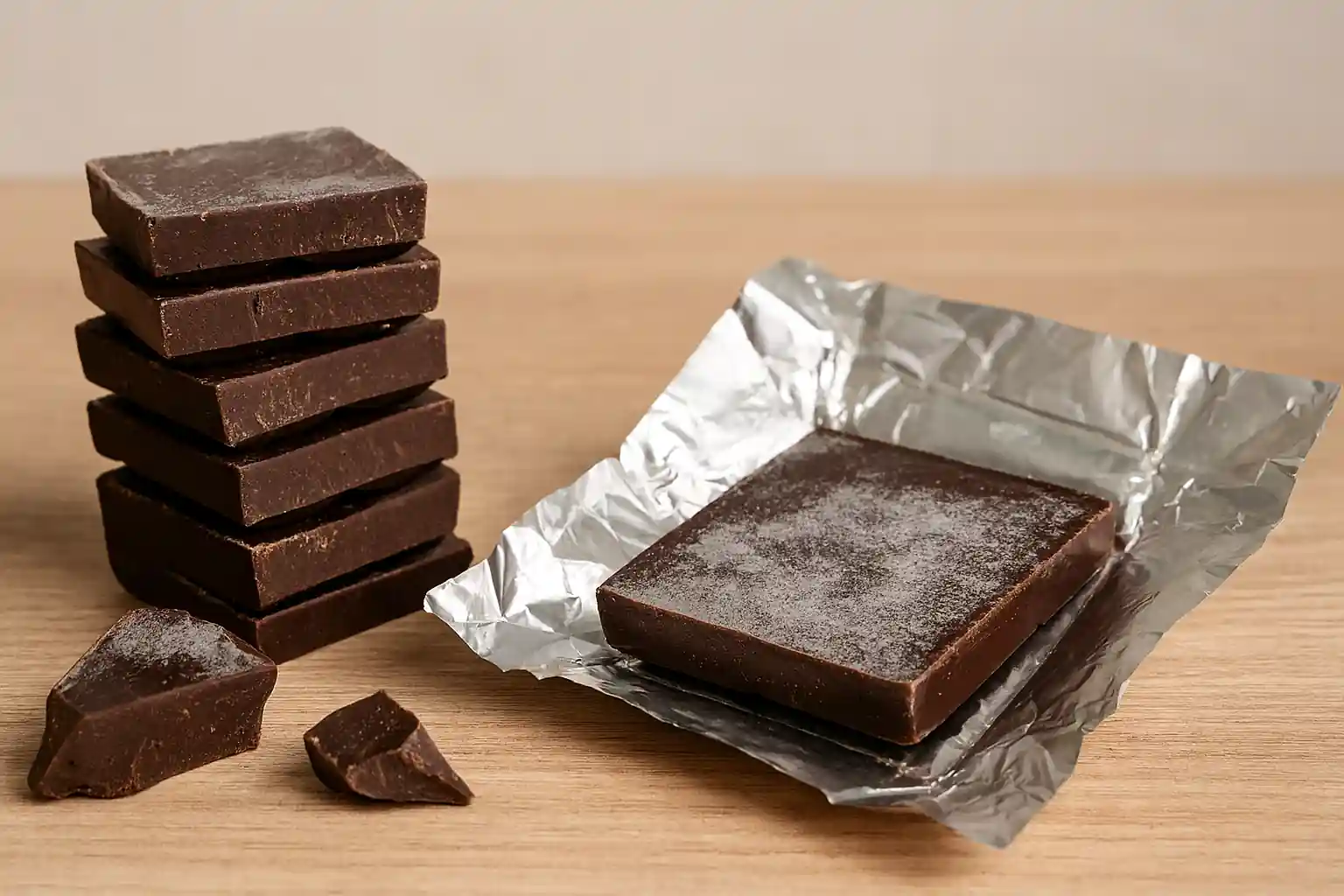
When chocolate may have gone bad, it often develops off flavors, a strange smell, or visible changes in color. The cocoa butter in the chocolate can separate, causing a chalky or dusty coating to appear on the surface of the chocolate. This doesn’t always mean the chocolate has expired—it may just be a cosmetic issue.
Expired chocolate can also absorb odors from nearby foods if not stored properly. Chocolate absorbs surrounding scents easily, so storing it near onions, garlic, or other strong-smelling foods can negatively affect the quality of your chocolate. If your bar of chocolate smells unusual, it’s best to discard the chocolate rather than risk eating it.
How Long Does a Chocolate Bar Last Before Expiring?
A chocolate bar’s shelf life depends on the type of chocolate and how it has been stored. Solid chocolate without fillings typically lasts longer than filled or flavored varieties. For example, a plain dark chocolate bar can last longer than milk or white chocolate due to its lower dairy content.
On average, chocolate can remain fresh for several months past its expiration date if it has been stored properly in a cool and dry place. Still, it’s important to check the surface of the chocolate and look for signs of spoilage before deciding to eat expired chocolate.
What’s the Shelf Life of Dark Chocolate, Milk Chocolate, and White Chocolate?
The type of chocolate plays a big role in how long it lasts. Dark chocolate can last the longest because of its higher cocoa content and lower dairy levels. Dark chocolate can last up to two years if stored correctly.
Milk chocolate and white chocolate due to its lower cocoa content and higher milk levels, typically have a shorter shelf life. On average, milk chocolate and white chocolate may last between 8 months to 1 year. Baking chocolate, which is pure and unsweetened, also has a long shelf life if stored in the right conditions.
How to Tell If Chocolate Has Gone Bad
Knowing how to tell if chocolate has gone bad is important for both safety and taste. Signs include discoloration, a sour or musty smell, and changes in texture. While chocolate bloom—a white or gray coating—may appear on chocolate, this doesn’t always mean the chocolate has expired.
If the chocolate has been stored properly and only shows cosmetic changes, it may still be safe to eat. However, if it smells rancid or has mold, then the chocolate is no longer safe to consume. Always trust your senses to find out if chocolate expires and whether it’s best to discard the chocolate.
Is Expired Chocolate Safe to Eat or Should You Avoid It?
One of the most common questions is whether chocolate is safe to eat past its expiration date. In many cases, chocolate is still safe to eat expired chocolate if it has been kept in a cool, dry environment and shows no signs of spoilage.
However, if chocolate has expired by several years, or if it smells or tastes off, it’s best not to eat the chocolate. While chocolate typically won’t make you sick immediately, it can lose its quality, making the eating experience less enjoyable. If you’re unsure, it’s safer to avoid old chocolate.
Chocolate Bloom: Does It Mean Your Chocolate Expired?
Chocolate bloom refers to the white or gray streaks that appear on chocolate. This is caused either by fat bloom (cocoa butter separating) or sugar bloom (moisture affecting sugar crystals). While chocolate bloom may make chocolate look less appealing, it doesn’t mean the chocolate has expired.
Bloomed chocolate is still safe to consume, though the texture and flavor may be slightly affected. Many bakers use bloomed chocolate in recipes since it still melts and performs well in cooking. If you see bloom appear on chocolate, you can still use it in hot chocolate or baking chocolate dishes.
Best Way to Store Chocolate at Home
The best way to store chocolate is in a cool, dark place away from heat and strong odors. Chocolate should be stored at a stable temperature, ideally between 60–70°F (15–21°C). Avoid direct sunlight, as it can cause chocolate to melt or spoil faster.
To store chocolate in the refrigerator, make sure it’s tightly sealed to protect your chocolate from moisture and odor absorption. Chocolate storage conditions greatly influence how long chocolate can last and whether chocolate is still safe to consume. Proper storage helps keep your chocolate fresh for as long as possible.
Should You Store Chocolate in the Fridge or at Room Temperature?
There’s a long-standing debate about whether storing chocolate in the fridge is the right choice. While chocolate in the fridge also stays solid, it may absorb moisture and odors unless wrapped carefully. Storing chocolate in the fridge or refrigerator is only recommended in hot climates where room temperature storage isn’t possible.
Chocolate in a cool, dry environment is best for keeping chocolate fresh. If you must store your chocolate in the refrigerator, place it in an airtight container to prevent condensation from forming on the surface of the chocolate when you take it out.
Tips to Keep Your Chocolate Fresh and Enjoy It Longer
If you want to keep your chocolate fresh, the most important step is proper storage. Store your chocolate in a cool and dry environment, away from direct sunlight. Use airtight containers to preserve your chocolate and protect your chocolate from moisture.
Other tips include avoiding frequent temperature changes, which can cause bloom, and separating chocolate away from strong-smelling foods. Whether chocolate is solid chocolate, filled chocolate, or luxury chocolate, following these storage rules ensures that your chocolate is best enjoyed at its peak. By keeping chocolate fresh, you can still be safe to consume it even after it’s past its expiration date.
Bring the viral treat home—try these irresistible Homemade Dubai Pistachio Chocolate Bars with Kataifi and enjoy the addictive blend of creamy nuts, crunch, and rich chocolate.
Summary: Key Things to Remember About Chocolate Expiration
-
Chocolate doesn’t expire the same way as perishable foods but it does have a shelf life.
-
Dark chocolate can last the longest, while milk chocolate and white chocolate have shorter shelf lives.
-
Chocolate bloom doesn’t mean chocolate has expired—it’s still safe to consume.
-
The best way to store chocolate is in a cool, dry place, not necessarily the fridge.
-
Expired chocolate may still be safe to eat if it looks and smells normal.
-
If chocolate has an off taste, smell, or visible mold, it’s best to discard the chocolate.
-
Proper chocolate storage helps preserve your chocolate and keeps chocolate fresh.
-
Always check the expiration date but remember that chocolate can remain good past its expiration date if stored well.
Enjoyed this tip?
A weekly hit of kitchen know-how.
Tips, techniques and small upgrades — every Sunday.
Keep reading
More from Cooking tips
 →
→Foods That Start With U: Ideas, Facts & More
Foods That Start with U: A Comprehensive Guide to Unique and Delicious Dishes When it comes to exploring the diverse world of food, the letter “U” offers a wide variety of unique and flavorful options. From savory dishes to sweet treats, foods starting with U are as diverse as they are delicious. Whether you’re a … Read more
· 6 min read
 →
→20 Foods That Start With K: Tasty Foods Starting With the Letter K
20 Foods That Start with K: Exploring the Culinary World of K-Flavors Are you curious about foods that start with the letter K? From vibrant fruits to delicious dishes, the letter K has a variety of exciting foods that are perfect for anyone looking to explore new flavors. This comprehensive guide will take you through … Read more
· 6 min read
 →
→Foods That Start With the Letter J
Foods That Start with the Letter J: A Complete Guide to Delicious Dishes and Ingredients When it comes to food, the letter J has a rich variety of options that range from hearty dishes to refreshing fruits and vegetables. Whether you’re a foodie, a culinary enthusiast, or simply curious, this guide is here to give … Read more
· 6 min read