Fenugreek Horse Treat Recipe for Healthy and Happy Horses
Fenugreek Horse Treat Recipe: A Natural Delight for Your Equine Companions Horse owners and enthusiasts are always looking for healthy, tasty, and safe ways to pamper their equine companions. One popular option among natural treat choices is the fenugreek horse treat, which combines the nutritional benefits of herbs and the natural sweetness of vegetables like … Read more
By Menu Moments
Menu Moments editorial
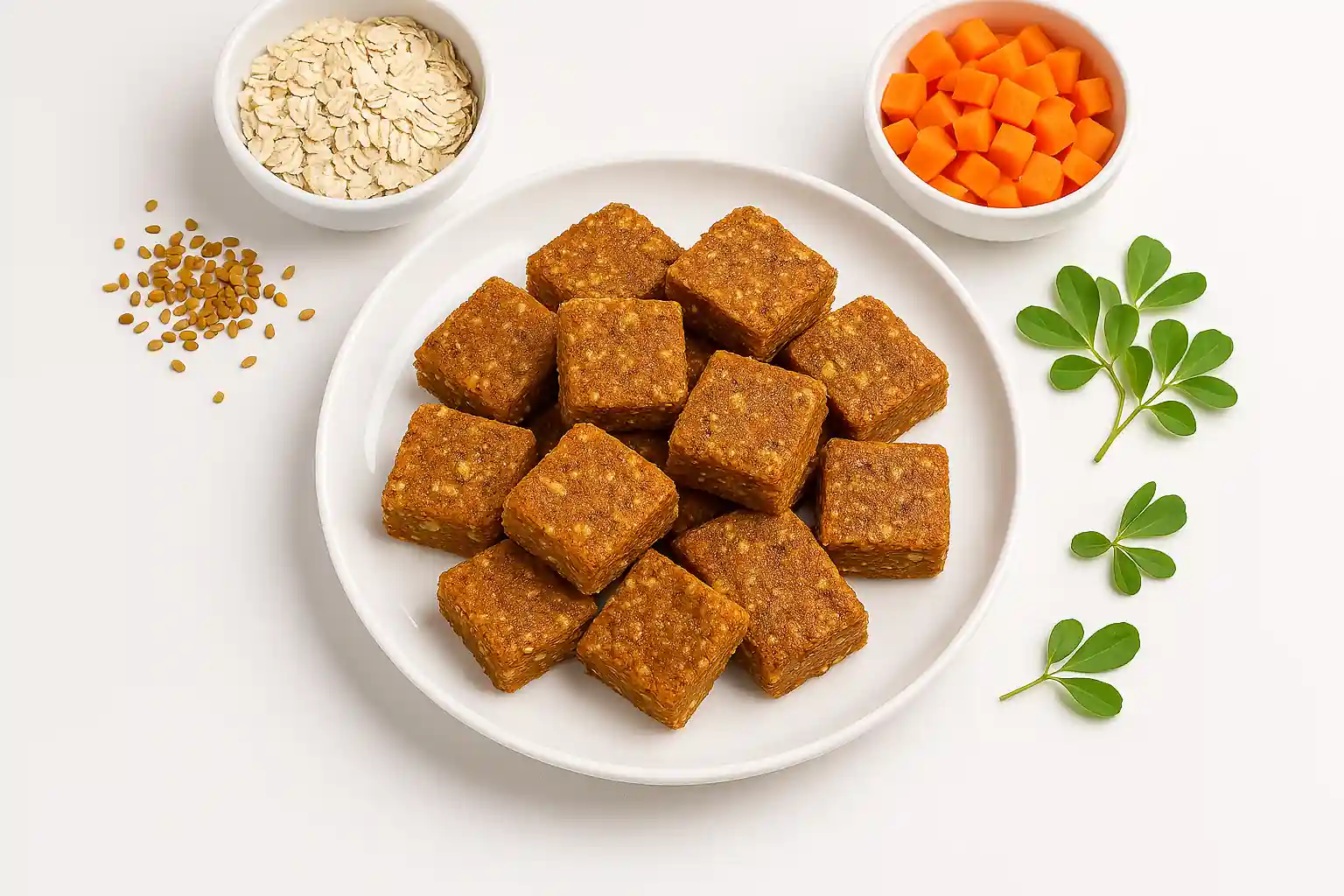
Fenugreek Horse Treat Recipe: A Natural Delight for Your Equine Companions
Horse owners and enthusiasts are always looking for healthy, tasty, and safe ways to pamper their equine companions. One popular option among natural treat choices is the fenugreek horse treat, which combines the nutritional benefits of herbs and the natural sweetness of vegetables like carrot. These homemade horse treats are not only loved by horses but also support joint health, digestive health, and enrichment without compromising on safety or causing issues such as colic, laminitis, or metabolic syndrome.
In this guide, we’ll explore every aspect of creating your own fenugreek horse treat recipe, from understanding ingredients like molasses, fennel, and flax seed, to insights on feeding treats safely, and how to ensure your treats for horses support their overall health. We’ll also examine the role of positive reinforcement through offering treats in moderation.
Why Horses Love Natural Treats
Horses love treats that smell and taste rich, especially those with herbs like fenugreek. The seeds have a naturally sweet, maple-syrup-like aroma that appeals to many horses. Just as many horses enjoy the taste of carrots and apples, fenugreek stimulates the appetite and provides a familiar and comforting flavor for your equine companion.
According to Kentucky Equine Research, fenugreek is often used in commercial feeds to encourage horses to eat, especially in picky or recovering equines.
Understanding Fenugreek and Its Role in Horse Nutrition
Fenugreek is a herb known for its alkaloid content and potential health benefits. For horses, fenugreek can:
-
Enhance appetite
-
Help with equine intestinal function
-
Serve as a natural equine flavoring
-
Support older horses or those with equine metabolic syndrome
While herbs like fenugreek are generally suitable for horses, always consult a veterinarian or equine nutritionist when introducing any new supplement.
To learn more about herb safety for equines, refer to the American Association of Equine Practitioners.
Ingredients for Homemade Fenugreek Horse Treats
Making homemade horse treats allows you to control what your horse consumes. Here’s a simple yet nutritious list of ingredients:
-
1 cup rolled oats (Buy)
-
½ cup grated carrot (Buy)
-
1 tbsp crushed fenugreek seeds (Buy)
-
1 tbsp molasses (used sparingly) (Buy)
-
¼ cup ground flax seed (Buy)
-
¼ tsp powdered fennel or crushed oregano (Buy)
-
½ mashed banana (optional for flavor) (Buy)
-
Water (as needed for consistency) (Buy)
These ingredients are all suitable for horses in small portions, providing nutrient variety and making them ideal for using treats in positive reinforcement training.
Optional Add-Ins and Flavor Enhancers
You can experiment with peppermint, rosemary, or even peppermint flavored bits, as many horses enjoy aromatic and slightly sweet flavors. Just be cautious of any high sugar content, especially for metabolic horses or those prone to sensitivity.
See Equine Wellness Magazine for a deeper dive into natural flavor enhancers.
Step-by-Step Fenugreek Horse Treat Recipe
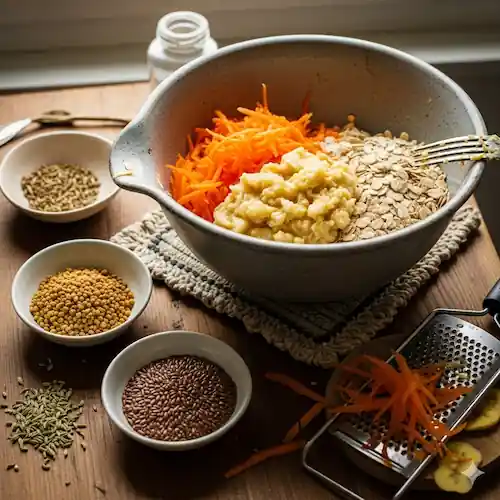
Step 1 – Preparing the Ingredients
Grate the carrot finely, mash the banana (if using), and crush the fenugreek seeds for easier digestion. Mix the dry ingredients—oats, flax seed, fennel—in a large bowl.
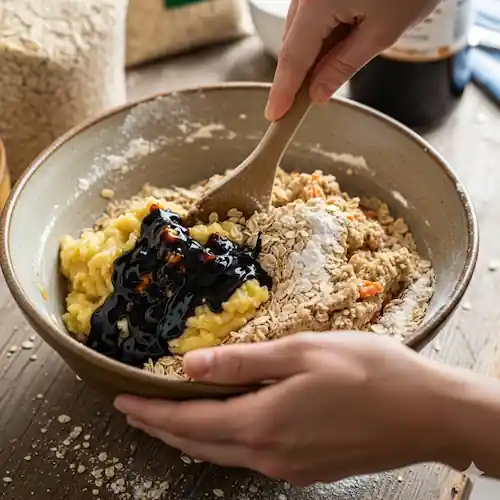
Step 2 – Combining Wet Ingredients
Add the molasses and mashed banana, followed by a little water to bring the mixture together. The texture should be moldable but not too sticky.
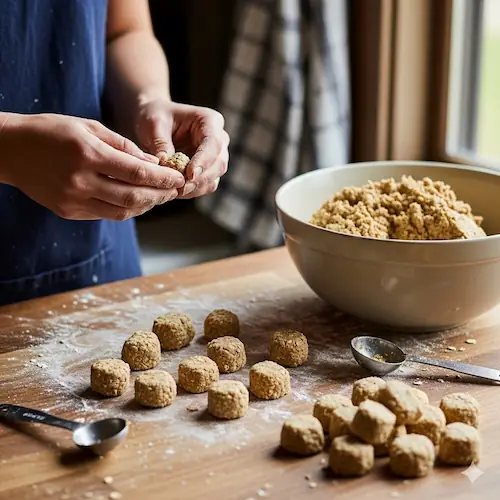
Step 3 – Forming the Treats
Shape into bite-sized pieces or use a small cookie cutter. Small amounts are ideal for safe equine consumption and easier feeding.
Step 4 – Baking or Air Drying
Bake at 300°F for 25–30 minutes, or air-dry for 24–48 hours depending on humidity.

Treat Selection Tips for Different Horse Types
For Older Horses
Older horses often have health conditions that require treats with soft texture and joint health support. Omit crunchy add-ins like dried bran or beet pulp.
For Metabolic Horses
Avoid sugar cubes, sweet fillers, or excess molasses. Ingredients like carrot, fennel, and flax seed offer safer alternatives.
For Horses with Laminitis or Cushing’s
Avoid anything toxic to horses or with high sugar. Monitor fennel, molasses, and other sweet ingredients carefully.
For more about dietary restrictions, refer to The Horse: Your Guide to Equine Health Care.
Feeding Treats Safely: Moderation is Key
How Many Treats to Give?
Feeding treats should follow the rule of moderation. Treats are for positive reinforcement, not meal replacements. Giving small pieces, especially to equids prone to colic or metabolic syndrome, is essential.
Offering Treats as Enrichment
Treats can serve as part of daily enrichment, such as using food puzzles, slow feeders, or training sessions. According to Penn Vet, this approach supports both behavior and bonding.
Herbs and Ingredients to Avoid
Toxic to Horses
Avoid ingredients that may be toxic to horses, like candy, chocolate, onions, or caffeine. Even some “human-safe” herbs can cause liver damage in horses.
High-Sugar Ingredients
Avoid sugar cubes, sugary cereals, or heavy molasses usage. While peppermint is okay in small portions, monitor sugar levels closely.
Giving Treats to Horses with Special Needs
Whether you have a mare, gelding, or senior horse with health conditions, always adjust treat recipes and portions accordingly.
Giving treats to horses with metabolic conditions should involve supervision and consultation with a veterinarian or equine nutritionist. Treats may seem harmless but could affect overall health if overused.
See HorseDVM for a list of safe and unsafe plants and herbs.
When Treats Become a Problem: Watch for Signs
Sensitivity and Allergies
Watch for sensitivity, such as digestive issues or refusal to eat. Allergic reactions are rare but possible with new treats.
Overfeeding Risks
Too many treats can lead to ingestion problems, intestinal issues, or even liver damage in rare cases.
Creating a Positive Association with Treats
Use treats for good behavior, grooming sessions, or bonding. This encourages a positive association and reinforces good habits in a safe and fun way.
Final Thoughts on Homemade Horse Treats
Creating homemade horse treats using ingredients like fenugreek and carrot can help horse owners provide natural equine nutrition while also improving the horse’s well-being and human-animal connection. Just remember: moderation is key, especially for horses with metabolic or digestive challenges.
Always consider:
-
Individual horse’s needs
-
Size of treats
-
Overall diet and forage
-
Approval from a trusted veterinarian or equine nutritionist
Storing Your Homemade Horse Treats
Proper storage is essential to keep your homemade horse treats fresh and safe for equine consumption. Improperly stored treats may grow mold or lose nutritional value.
Air-Tight Containers
Use an air-tight container made of glass, BPA-free plastic, or stainless steel. This helps preserve the aromatic elements of fenugreek, fennel, and carrot.
Refrigeration and Freezing
Because these treats contain natural equine ingredients like banana, molasses, and carrot, refrigeration is recommended for treats lasting more than 3 days. You can freeze extras in small bags for up to a month.
For guidance on proper storage for equine-safe foods, refer to North Carolina State Extension.
Seasonal Ingredient Adjustments
Winter-Friendly Recipes
During colder months, horses benefit from warming herbs like fennel or rosemary. You might also increase forage to support natural digestion.
Summer Alternatives
In hotter weather, use ingredients that won’t spoil quickly. Consider omitting banana and relying more on dry additives like bran or crushed peppermint.
See more seasonal horse care suggestions on Equus Magazine.
Popular Variations on Fenugreek Horse Treats
Customizing your treats to suit your horse’s needs or preferences can enhance their diet, health, and engagement.
Peppermint-Flavored Treats
For a refreshing variation, add peppermint flavored powder or natural extract. Many horses love this cooling taste, especially during summer months.
Carrots and Apples Combo
Carrots and apples are already loved by many horses, and combining them with fenugreek provides a familiar flavor with added nutrients and hydration.
Beet and Bran Enhancer
Adding a spoon of soaked beet pulp and dry bran increases fiber and helps with digestion, particularly for older horses.
To understand the digestion needs of horses in more detail, refer to Merck Veterinary Manual.
Teaching Horses with Treats: Using Positive Reinforcement
Treats can serve as a powerful training tool when paired with behavior cues, grooming routines, or halter work. This encourages good behavior through positive reinforcement.
Training Schedule Using Treats
Keep a consistent reward routine to build a positive association. Treats should not distract but enhance responsiveness.
-
Reward for haltering without resistance
-
Use during groundwork for respectful following
-
Reinforce standing calmly during hoof care
Always remember to offer treats after the desired behavior is completed to avoid bribing.
Learn more about behavior training at The Donkey Sanctuary Training Resource Hub.
Understanding Equine Taste and Flavor Preferences
What Flavors Do Horses Prefer?
While horses require balanced nutrition, they also have flavor preferences. Scientific studies show that horses tend to prefer:
-
Sweet flavors (like molasses, banana, carrot)
-
Herbal flavors (like fenugreek, fennel, and peppermint)
-
Umami-rich feeds, including some bran-based treats
Encouraging Picky Eaters
Use familiar flavors, smaller portions, and consistent feeding to encourage picky or young equids to try new treats.
Refer to Colorado State University Extension for more on horse feeding behavior.
Myths About Feeding Treats to Horses
There are many misconceptions surrounding feeding treats to horses. Let’s address a few common ones.
Myth #1 – Horses Can Eat Anything
False. Many human foods and even some natural equine plants are toxic to horses. Stick with tested, safe recipes.
Myth #2 – More Treats Mean More Bonding
Moderation is key. Overfeeding can cause colic, weight gain, or behavioral issues, especially in metabolic or Cushing’s horses.
Myth #3 – Sugar Cubes Are Harmless
They are not. While traditional, sugar cubes have a high sugar content that’s unsuitable for metabolic horses.
Feeding Cautions: Conditions That Require Special Attention
Equine Metabolic Syndrome (EMS)
Metabolic syndrome impacts how horses process sugars and carbs. Avoid sugary treats like molasses, banana, and even sweet carrots.
See Tufts Cummings School of Veterinary Medicine for EMS guidelines.
Laminitis
High sugar or starch intake can worsen laminitis. For affected horses, choose low-sugar treats using hay pellets, unsweetened bran, or herbs like oregano.
Cushing’s Disease
Horses with Cushing’s (PPID) are at higher risk for insulin dysregulation. Work with a veterinarian before adding any treats.
Selecting Treats for Specific Horses
Treats for Mares
Mares with hormonal changes might require less sugar and more calming herbs like chamomile. Avoid high-phytoestrogen ingredients unless approved by a vet.
Treats for Geldings
Geldings often have larger appetites but may be prone to obesity. Keep small portions and avoid overfeeding.
Treats for Performance Horses
Offer nutrient-dense treats that support joint health and muscle recovery, like flax seed, beet pulp, and carrot.
How Often Should You Give Treats?
According to equine dietitians, treats in moderation are safe for most horses, even those with metabolic concerns, if you:
-
Limit to 2–3 per day
-
Use bite-sized pieces
-
Monitor for signs of intolerance
Offering treats as part of a free choice or all-day access method is not recommended. Stick with portion-controlled servings.
Find balanced feeding plans from University of Minnesota Extension Horse Nutrition.
Can Horses Eat All Herbs?
Not all herbs are safe. While herbs like fennel, fenugreek, chamomile, and oregano are generally safe, others can be dangerous.
Avoid:
-
Comfrey
-
Pennyroyal
-
Foxglove
-
Rhubarb leaves
Toxicity levels vary, and liver damage can occur even from low doses. Learn more at ASPCA Equine Toxicology.
Treats as Tools for Equine Enrichment
Using treats for horses is more than just reward-based. It promotes enrichment, natural equine behavior, and reduces boredom.
How Treats Support Enrichment
-
Puzzle feeders for brain stimulation
-
Scent-based treats for foraging mimicry
-
Textured snacks for sensory engagement
Explore enrichment ideas at Equine Behavior and Training Association.
Stay protected the natural way with our French Mulberry Bug Spray Recipe — A Natural Beautyberry-Based Insect Repellent and keep bugs at bay safely at home.
Recommended Horse Supplements and Feed Products
While homemade treats like fenugreek carrot bites are excellent for enrichment and nutrition, sometimes horses require additional support through supplements, vitamins, and specialized feeds. Below are some top products that horse owners often use to maintain weight, joint health, digestive wellness, and overall vitality.
1. Triple Crown Balancer – Horse Supplement, Vitamins & Minerals, Weight Supplement, 50 lbs
Product Link: Triple Crown Balancer, Horse Supplement, 50 lbs
Overview:
Triple Crown Balancer is a complete vitamin and mineral supplement designed to support horses on limited forage diets or those needing additional nutrient support. It is ideal for horses with metabolic syndrome, older horses, or mares requiring added minerals.
Key Benefits:
-
Helps maintain healthy weight and body condition
-
Supports joint health and coat quality
-
Works well alongside homemade horse treats or grain-based feeds
Who Should Use It:
-
Horse owners seeking balanced supplementation
-
Horses with limited access to pasture or forage
-
Equids prone to nutrient deficiencies or metabolic issues
Pros:
-
Easy to feed
-
No unnecessary fillers
-
Recommended by equine nutritionists
Cons:
-
Needs portion control
-
Not a complete feed; best combined with forage or grain
2. Purina Enrich Plus Senior – Ration Balancing Horse Feed, 50 lb
Product Link: Purina Enrich Plus Senior Ration Balancing Horse Feed, 50 lb
Overview:
Purina Enrich Plus Senior is specifically formulated for older horses or horses with declining weight, providing a balanced energy source without overloading on sugar. It helps maintain muscle mass and overall health in senior equids.
Key Benefits:
-
Supports weight gain and muscle development
-
Reduces risk of digestive upset in sensitive horses
-
Can be paired with homemade horse treats
Who Should Use It:
-
Senior horses needing extra calories
-
Horses recovering from illness
-
Horses with metabolic sensitivity
Pros:
-
Easy-to-feed pellets
-
Well-balanced for older equines
-
Reduces risk of colic compared to high-starch feeds
Cons:
-
Slightly higher cost
-
Must be introduced gradually
3. Stampede Alfalfa Pellets – Non-GMO, 40 lb
Product Link: Stampede Alfalfa Pellets, Non-GMO, 40 lb
Overview:
Stampede Alfalfa Pellets are high-fiber, non-GMO pellets suitable for horses, rabbits, goats, and other small equids. Alfalfa is rich in protein and calcium, making it excellent for muscle tone, joint health, and digestion.
Key Benefits:
-
Supports weight maintenance and digestive health
-
Can be added to homemade horse treats
-
Great as a forage alternative for horses with limited pasture
Who Should Use It:
-
Horses needing additional fiber or protein
-
Owners wanting versatile feed for multiple species
-
Equids on restricted grazing or low-quality forage
Pros:
-
Easy to store and feed
-
High-quality, non-GMO
-
Supports older or growing horses
Cons:
-
Not a full vitamin/mineral feed
-
Overfeeding may cause excess calcium intake
4. Farnam Equi Aid Natural Horse Psyllium Pellets, 20 Pounds
Product Link: Farnam Equi Aid Natural Horse Psyllium Pellets, 20 Pounds
Overview:
Farnam Equi Aid is designed to help remove sand and dirt from the ventral colon, supporting horses prone to colic, sand accumulation, or digestive issues. Psyllium is a natural fiber supplement that aids intestinal health.
Key Benefits:
-
Supports digestive health and gut cleansing
-
Can be added to molasses or homemade horse treats for easier feeding
-
Comes with 64 scoops for precise dosing
Who Should Use It:
-
Horses prone to sand colic
-
Equine owners wanting digestive support supplements
Pros:
-
Easy to mix into daily feed
-
Natural and safe for most horses
-
Helps maintain gut function
Cons:
-
Not a source of calories or vitamins
-
Must be fed with adequate water
5. Manna Pro Weight Accelerator for Senior Horses – 8 lb
Product Link: Manna Pro Weight Accelerator, 8 lb
Overview:
Manna Pro Weight Accelerator is a high-calorie feed topper designed to support weight gain, muscle support, and overall vitality in senior or metabolic horses. It contains Omega-3 fatty acids and flaxseed for joint health and coat condition.
Key Benefits:
-
Promotes healthy weight gain
-
Supports joint health and muscle recovery
-
Compatible with regular feed and homemade treats
Who Should Use It:
-
Older horses with weight loss
-
Horses needing extra calories
-
Horses with metabolic or health concerns
Pros:
-
Easy to feed as a topper
-
Nutrient-dense
-
Supports coat and joint health
Cons:
-
High-calorie content requires portion control
-
Not a complete feed
Final Thoughts: Creating a Treat Routine That Works
Creating a regular routine for feeding treats and using them during training improves overall health, mood, and trust between you and your equine companions. Keep in mind:
-
Moderation is key
-
Use safe, herb-based recipes
-
Adjust treats to age, health, and needs
-
Work with a veterinarian or equine nutritionist for special conditions
By crafting a thoughtful, natural equine treat plan, you’re not just feeding — you’re fostering connection.
Enjoyed this recipe?
One great recipe. Every Sunday. In your inbox.
Weekly. No spam. Unsubscribe in one click.
Keep reading
More from Recipes
 →
→Hanky Panky Recipe (Cocktail & Appetizer Guide)
If you’ve ever searched for a hanky panky recipe, you may have noticed something interesting: the name refers to two completely different but equally iconic creations. One is a legendary pre-prohibition cocktail made with gin, sweet vermouth, and Fernet-Branca. The other is a beloved Midwest recipe a savory, cheesy, meaty spread baked on rye bread … Read more
· 7 min read
 →
→Fried Chicken Fries Recipe
Fried chicken fries are the perfect crossover snack crispy on the outside and juicy on the inside, shaped like fries but made from seasoned chicken. This fried chicken fries recipe walks you through everything: what chicken fries are, how to make golden, crunchy chicken fries, and how to recreate fast food–style chicken fries at home … Read more
· 5 min read
Juicing Recipes: The Complete Informational Guide to Fresh, Healthy, Homemade Juice
Juicing recipes have become one of the most popular ways to consume fresh produce in a simple, drinkable form. From fresh juice packed with natural vitamins and minerals to carefully planned juice cleanse routines, juicing offers a convenient gateway into plant-based nutrition and liquid nutrition. This guide is designed to walk you through everything you … Read more
· 5 min read