Pan Frying Chicken: The Complete Informational Guide to Crispy, Juicy Chicken on the Stovetop
Pan frying chicken is one of the most practical and rewarding cooking techniques in everyday home kitchens. Whether you’re cooking for your family or learning stovetop cooking fundamentals, pan frying delivers a crispy exterior, a juicy interior, and deep flavor with simple tools and ingredients. This guide breaks down pan frying from basics to advanced … Read more
By Menu Moments
Menu Moments editorial
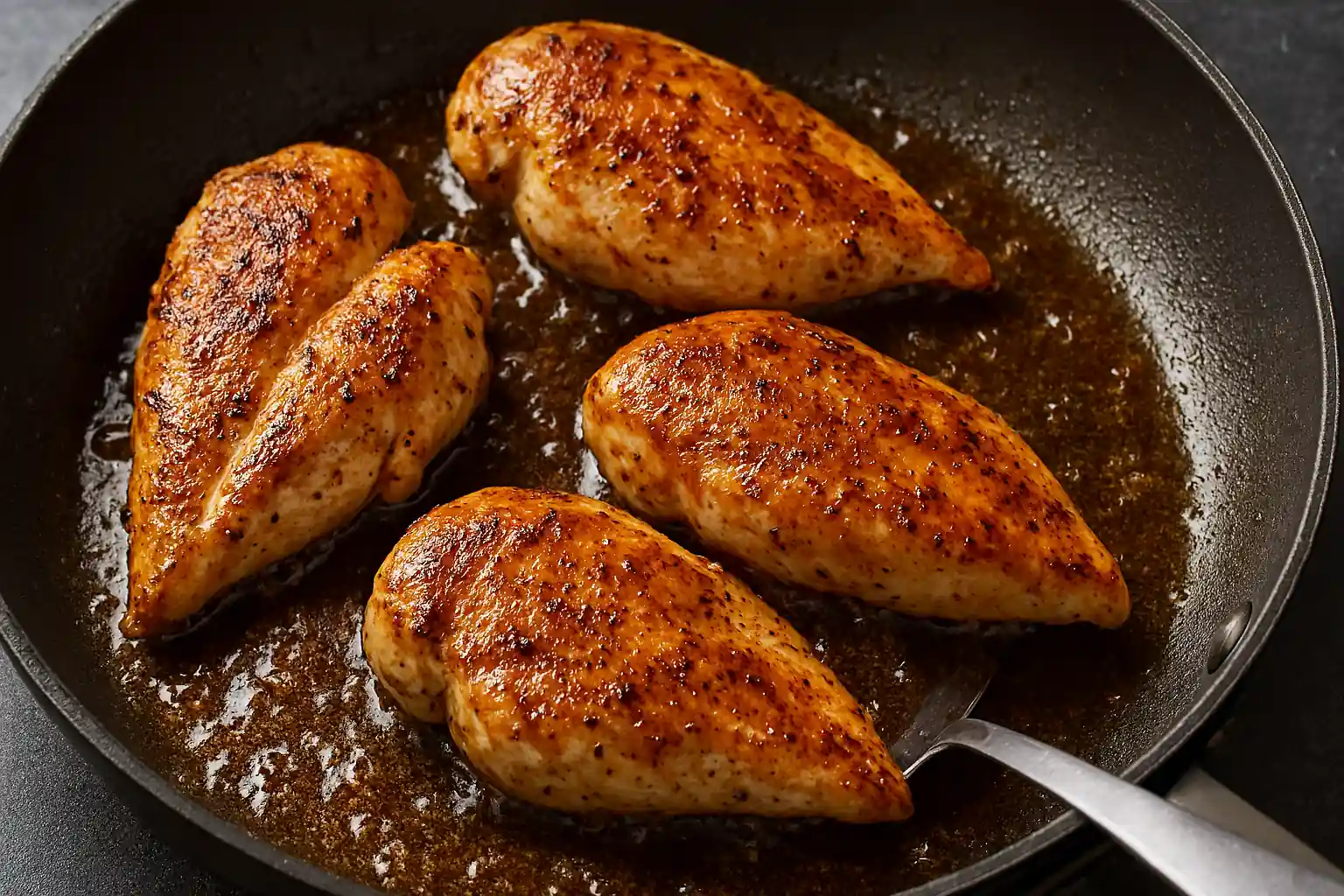
Pan frying chicken is one of the most practical and rewarding cooking techniques in everyday home kitchens. Whether you’re cooking for your family or learning stovetop cooking fundamentals, pan frying delivers a crispy exterior, a juicy interior, and deep flavor with simple tools and ingredients.
This guide breaks down pan frying from basics to advanced techniques, covering chicken cuts, oils, seasoning, heat control, food safety, and pan sauces all in an easy, informal way.
What Is Pan Frying Chicken?
Pan frying is a stovetop cooking method where chicken (a popular poultry) is cooked in a frying pan or skillet using a moderate amount of cooking oil. Unlike deep frying, this method relies on shallow frying, allowing the chicken to cook evenly while developing a golden brown crust.
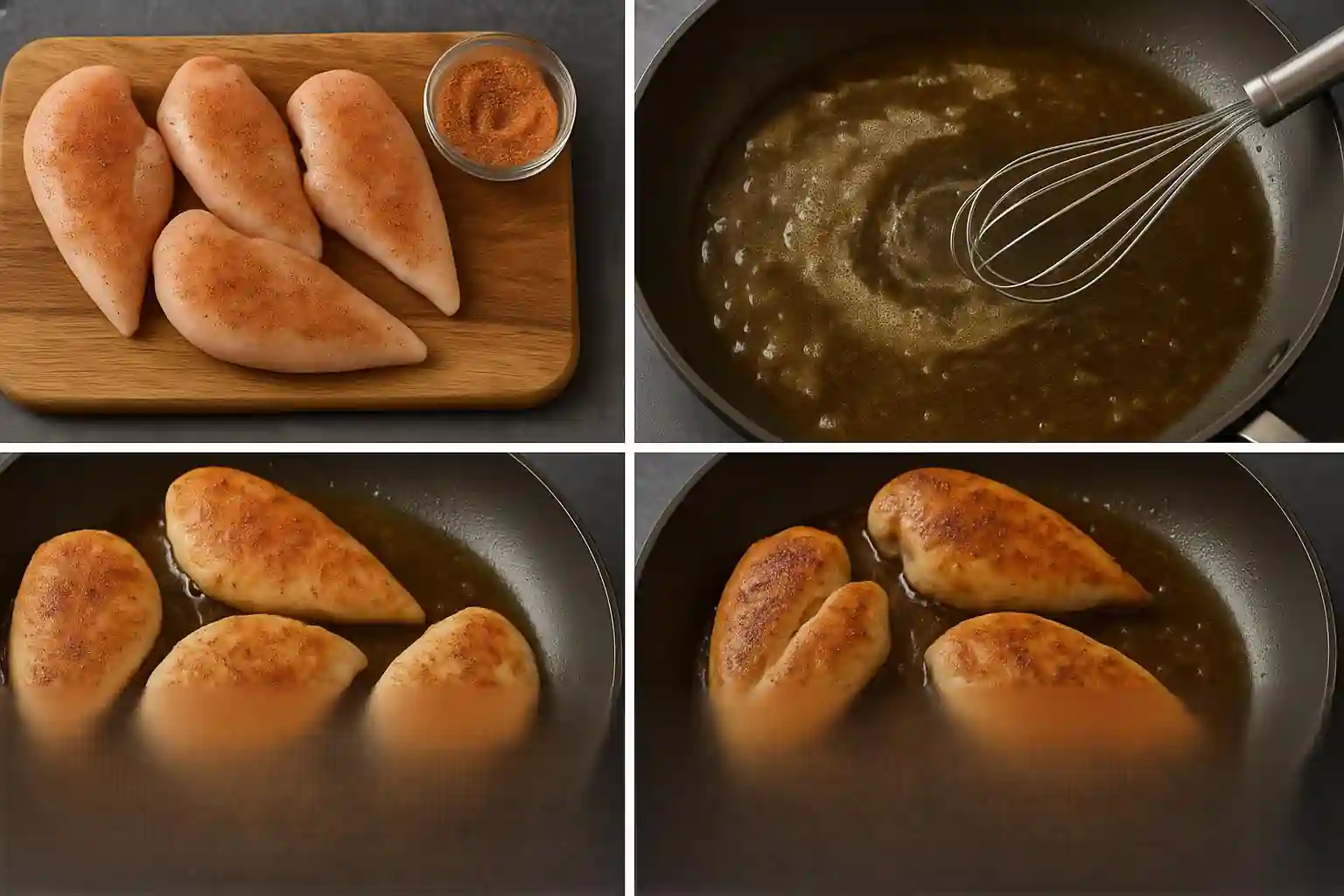
Pan frying is ideal because:
-
It uses less oil
-
It allows better heat control
-
It creates rich pan drippings for sauces
Best Pans for Pan Frying Chicken
Choosing the right pan affects browning, sticking prevention, and moisture retention.
Cast Iron Skillet
A cast iron skillet is a favorite for pan frying chicken because it provides even heat distribution and retains heat well for perfect searing.
Stainless Steel Pan
A stainless steel pan is excellent for creating flavorful pan sauce, especially when you plan on deglazing with liquids like white wine or chicken broth.
Nonstick Pan
A nonstick pan offers a non-stick surface, making it ideal for beginners focused on sticking prevention, especially with skinless chicken.
Oils and Fats for Pan Frying
Choosing the right fat matters for oil temperature and flavor.
High Smoke Point Oil Options
A high smoke point oil prevents burning during medium-high heat cooking.
Common choices include:
-
Vegetable oil
-
Canola oil
-
Peanut oil
-
Avocado oil
Flavorful Fat Options
-
Olive oil (best at medium heat)
-
Butter, often added later for butter basting
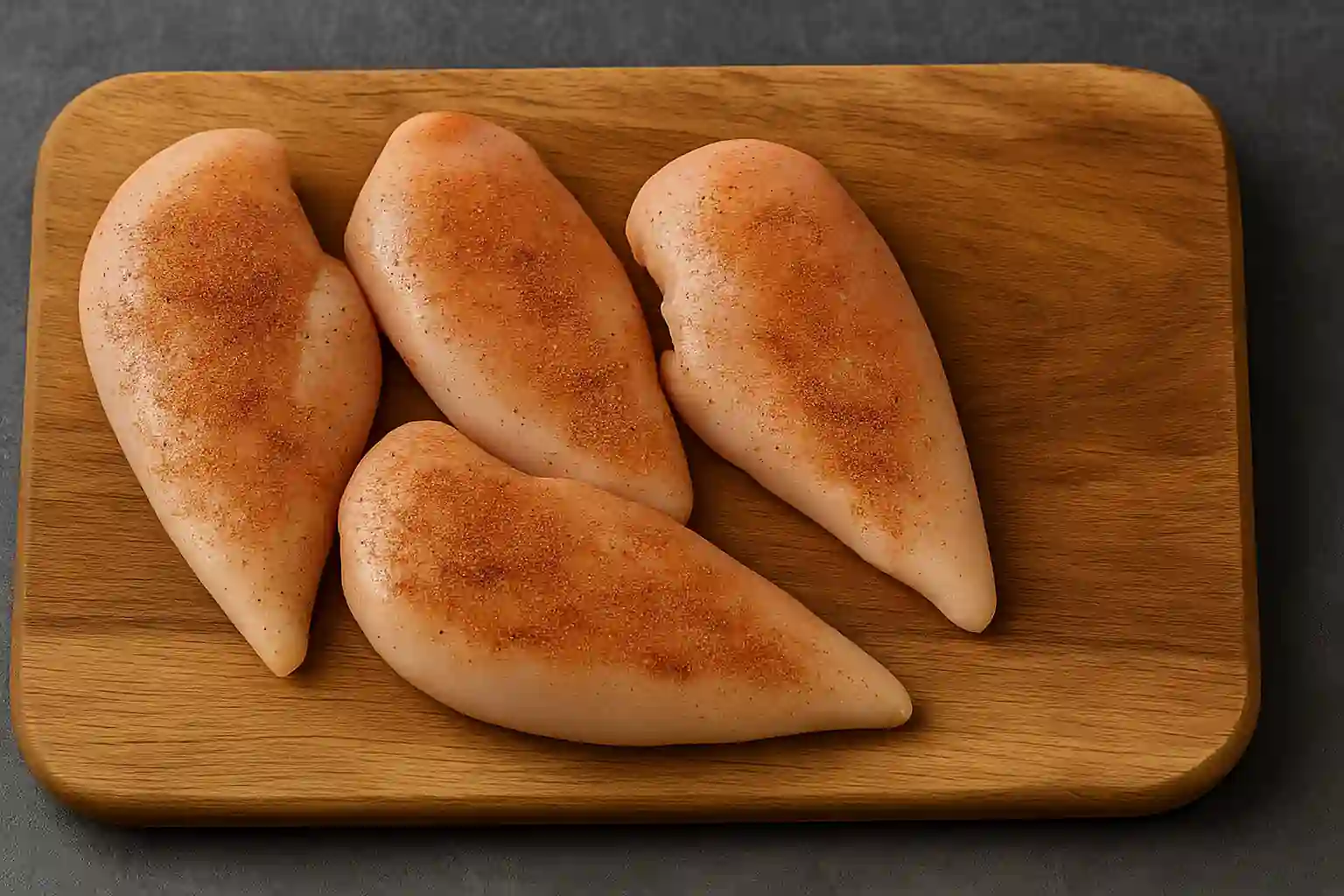
Olive oil and butter—rich fats that enhance flavor and texture during pan frying
Heat Control and Oil Temperature
Proper heat control is the foundation of successful pan frying.
Medium Heat vs Medium-High Heat
-
Medium heat allows gentle cooking and moisture retention
-
Medium-high heat is ideal for browning and initiating the Maillard reaction
Oil Temperature Signs
-
Oil shimmers but doesn’t smoke
-
Chicken sizzles immediately on contact
Chicken Cuts for Pan Frying
Different cuts require different techniques.
Bone-In Chicken vs Boneless Chicken
-
Bone-in chicken takes longer but stays juicy
-
Boneless chicken cooks faster and is easier to manage
Skin-On Chicken vs Skinless Chicken
-
Skin-on chicken creates crispy chicken skin
-
Skinless chicken benefits from breading or flour coating
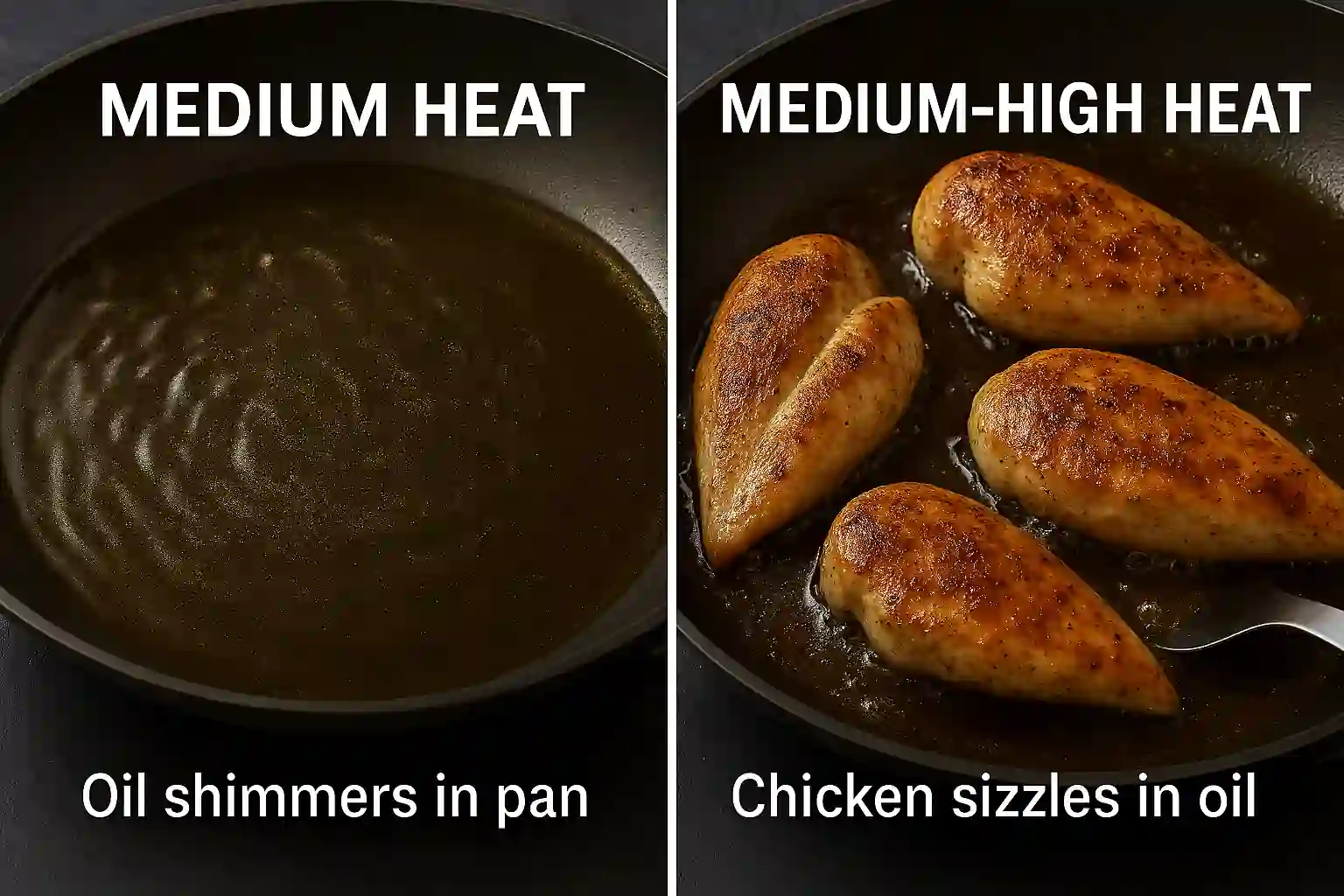
Medium heat retains moisture; medium-high heat browns chicken and triggers the Maillard reaction
Popular Chicken Pieces for Pan Frying
Chicken Breasts
Lean and fast-cooking, perfect for cutlets.
Chicken Thighs
Juicy and forgiving, ideal for beginners.
Chicken Drumsticks
Great flavor but require longer cooking time.
Chicken Cutlets
Thin and even, ideal for quick searing.
Chicken Tenders
Small and fast, perfect for shallow frying.
Coatings and Breading Techniques
Coatings help create a crispy crust.
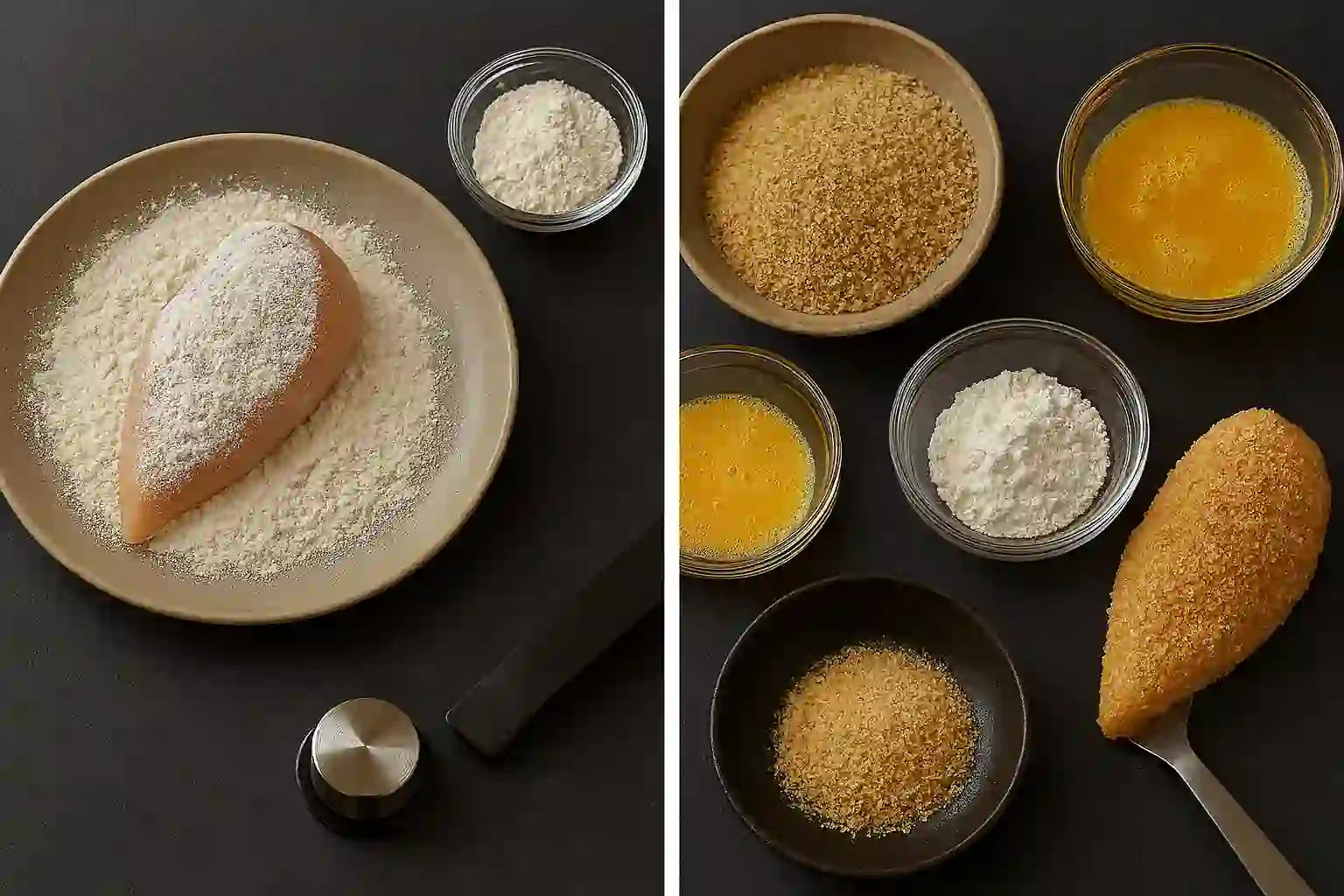
Flour Coating
A simple flour coating improves browning and texture.
Breading Systems
Classic breading often includes:
-
Egg wash
-
Breadcrumbs
-
Cornstarch for extra crispiness
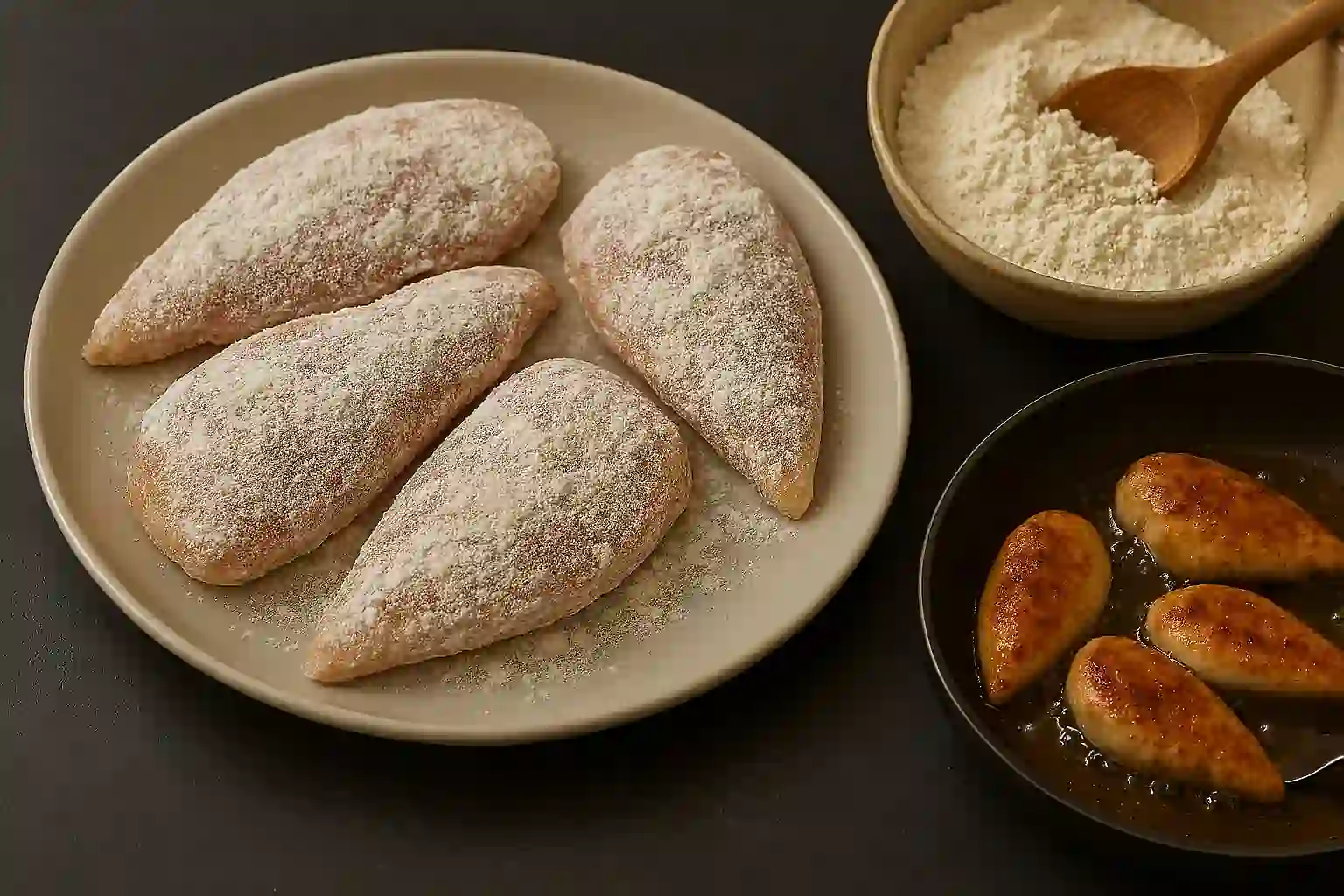
Flour, egg wash, and breadcrumbs—creating a crispy, golden crust for pan-fried chicken
Seasoning for Flavorful Chicken
Dry Seasonings
Essential options include:
-
Kosher salt
-
Black pepper
-
Paprika
-
Garlic powder
-
Onion powder
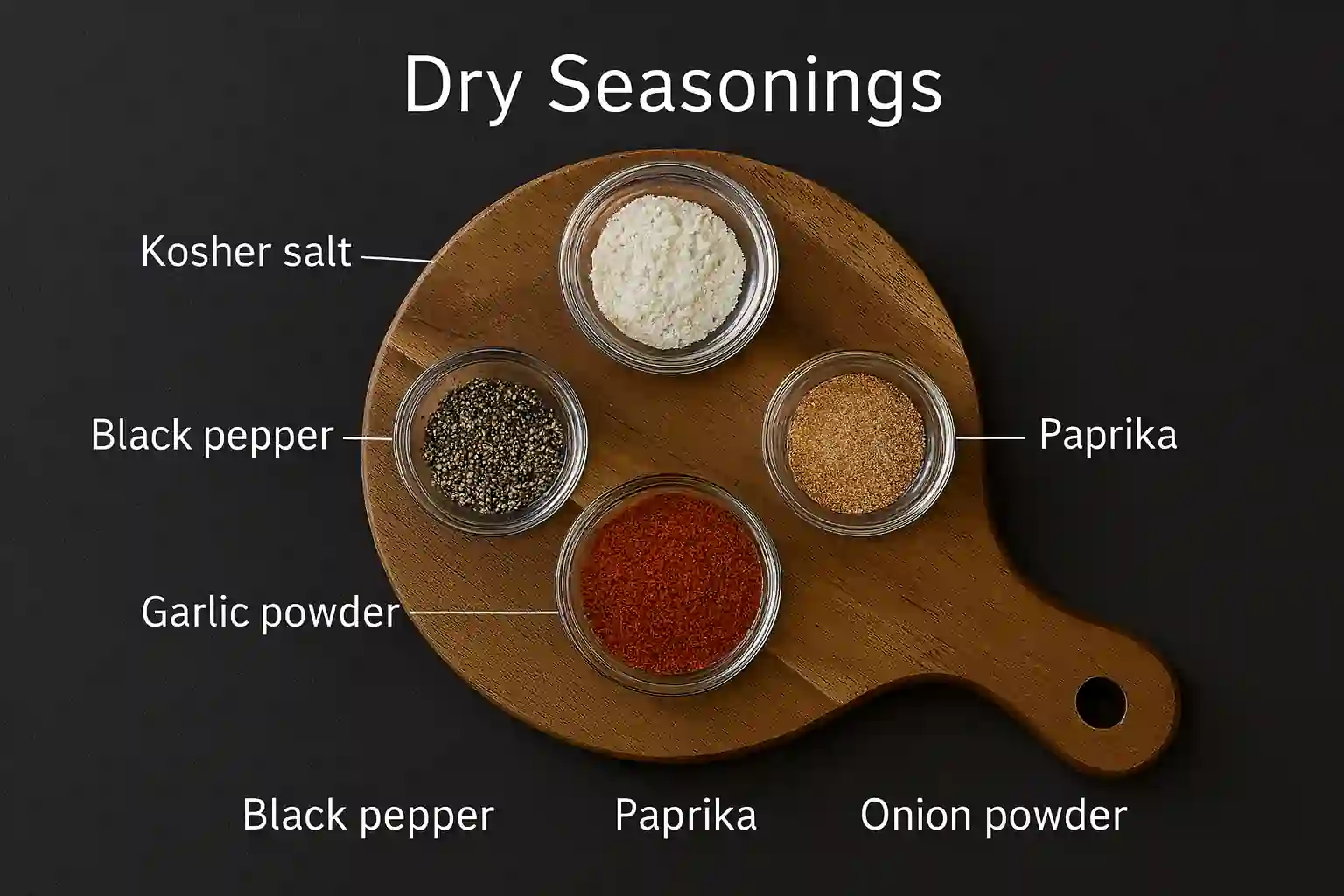
Essential dry seasonings—building bold flavor and texture for pan-fried chicken
Fresh Herbs and Aromatics
Add depth using:
-
Fresh herbs
-
Thyme
-
Rosemary
-
Aromatics like garlic and shallots
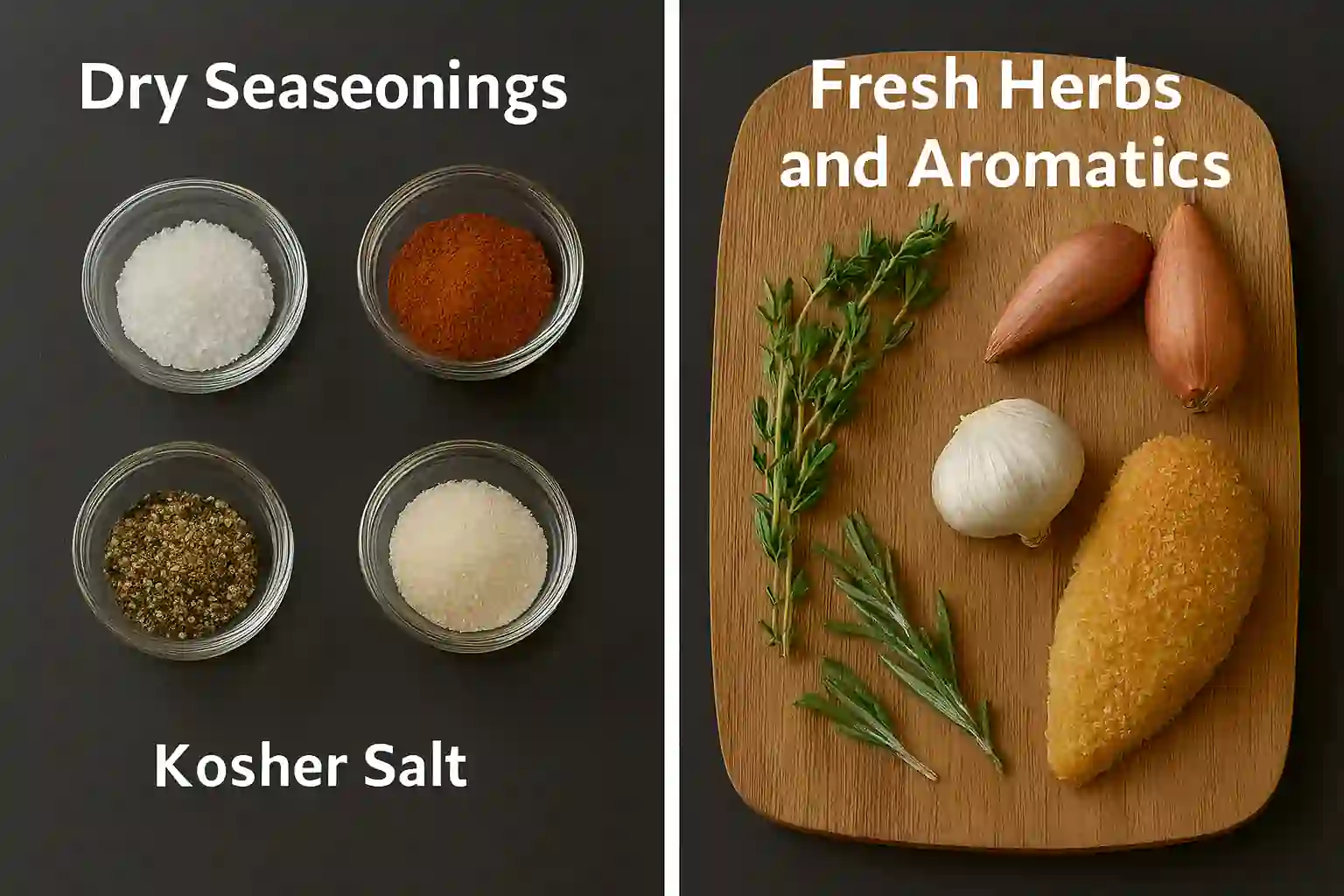
Essential dry seasonings—building bold flavor and texture for pan-fried chicken
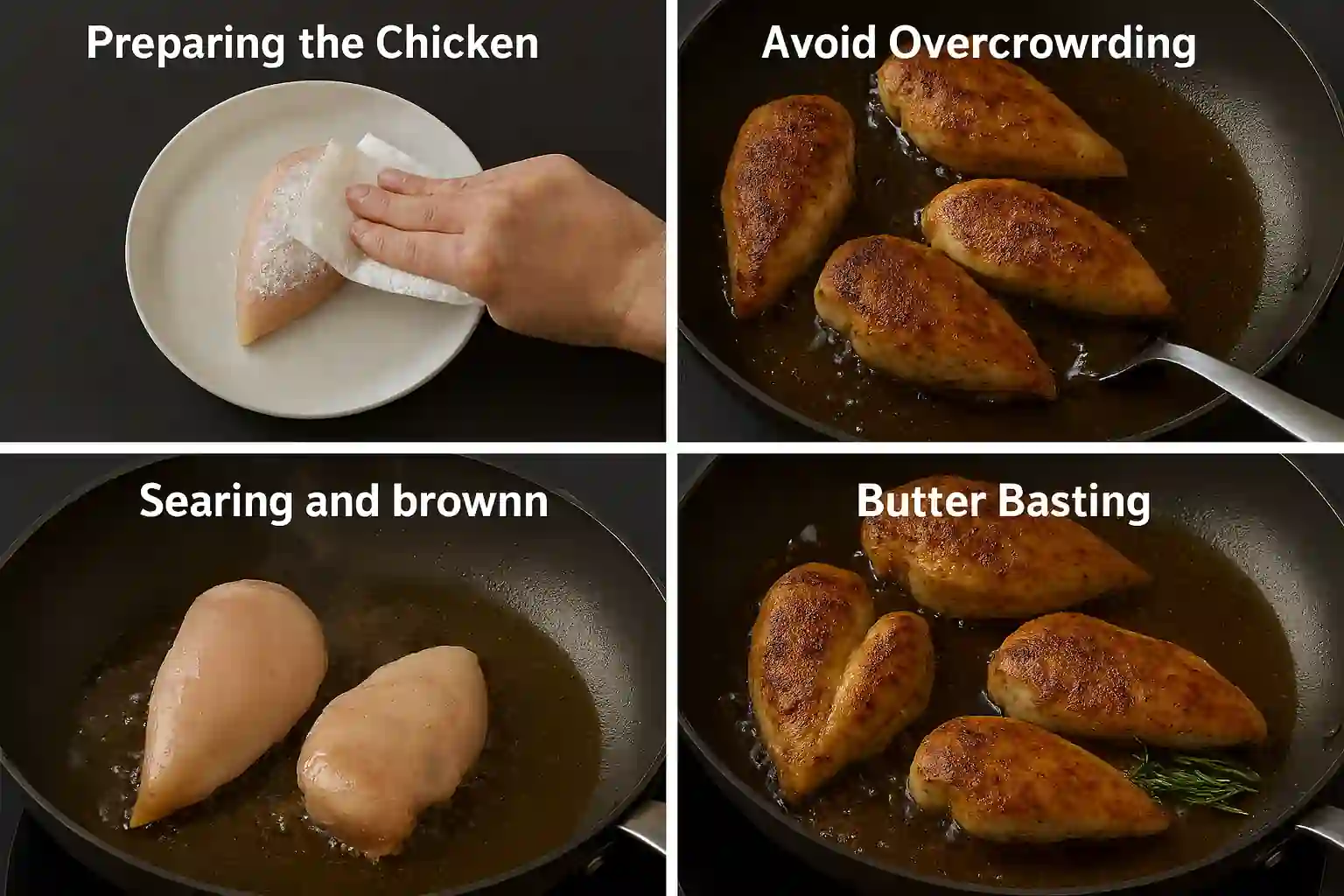
Cooking Process Step by Step
Preparing the Chicken
Pat dry to improve searing and prevent steaming.
Avoid Overcrowding the Pan
Overcrowding the pan lowers oil temperature and prevents crisping.
Searing and Browning
Proper searing leads to a golden brown crust and initiates the Maillard reaction.
Butter Basting
Adding butter with herbs allows rich butter basting during the final minutes.
Cooking Time and Doneness
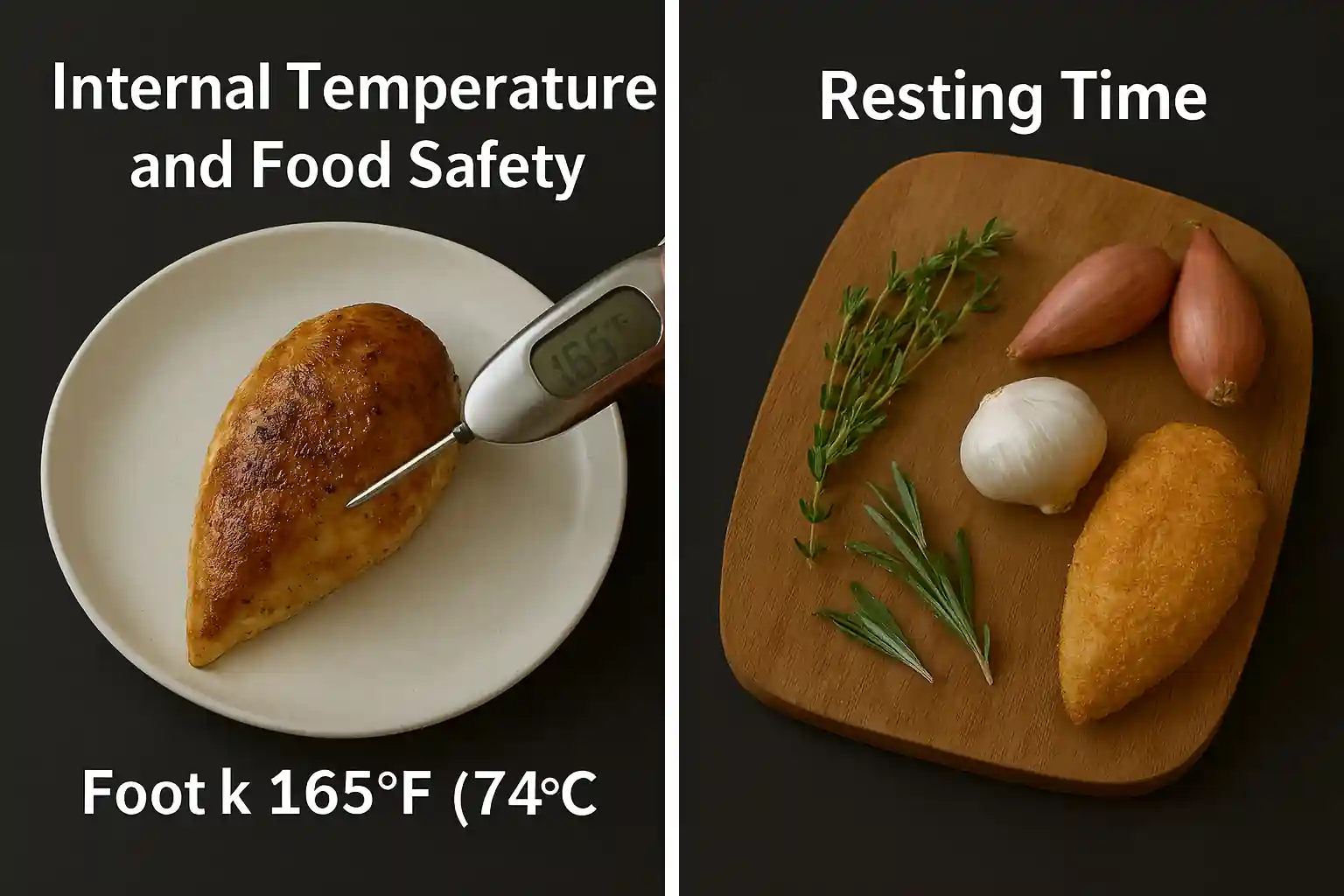
Internal Temperature and Food Safety
Use a meat thermometer to ensure internal temperature reaches 165°F (74°C) for food safety.
Resting Time
Allow a short resting time to maintain moisture retention.
Creating a Pan Sauce
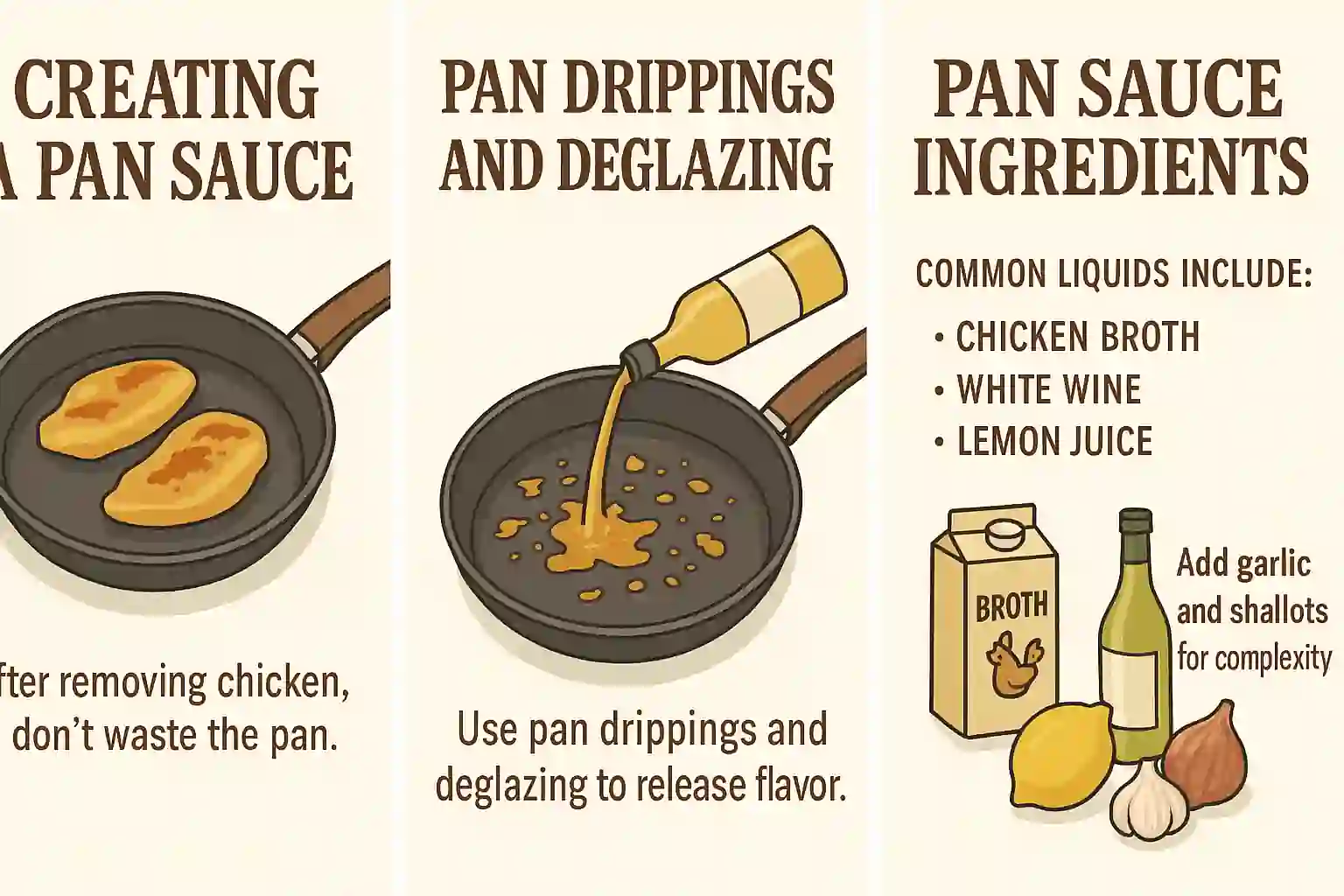
After removing chicken, don’t waste the pan.
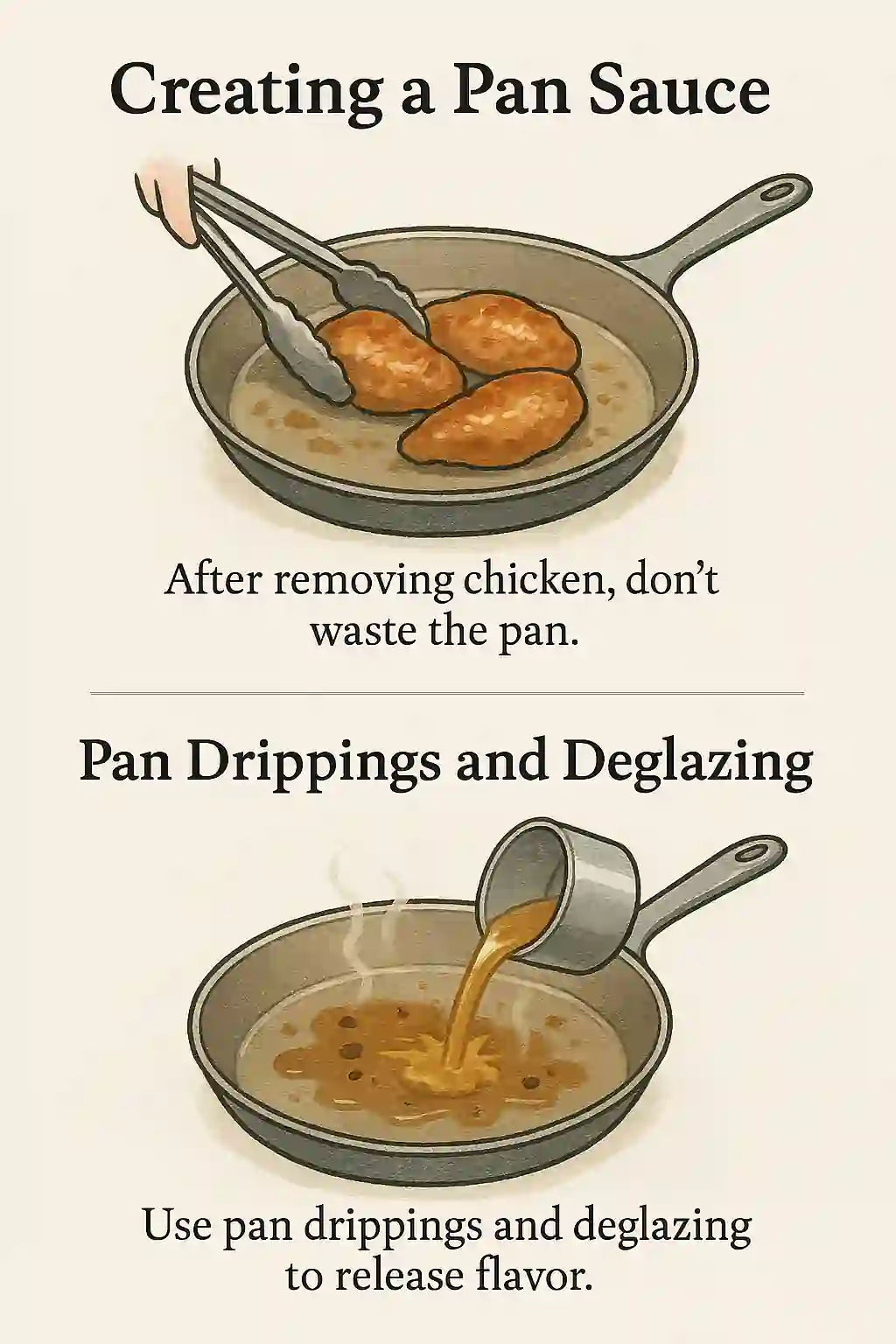
Pan Drippings and Deglazing
Use pan drippings and deglazing to release flavor.
Pan Sauce Ingredients
Common liquids include:
-
Chicken broth
-
White wine
-
Lemon juice
Add garlic and shallots for complexity.
Moisture Retention and Texture Control
Proper technique ensures:
-
Crispy exterior
-
Juicy interior
Using the right oil, heat, and resting time ensures success.
Preventing Common Pan Frying Problems
Sticking Prevention
Ensure oil is hot and protein releases naturally from the pan.
Managing the Non-Stick Surface
Even stainless steel becomes non-stick when properly heated.
Informational Comparison With Other Chicken Dishes
If you enjoy pan frying, you’ll also appreciate saucy stovetop recipes like Ina Garten’s Chicken Marsala, which uses similar techniques like searing, deglazing, and pan sauce creation. You can explore that method here for a complementary approach:
Why Pan Frying Chicken Is a Timeless Technique
Pan frying combines control, flavor, and efficiency. It adapts to:
-
Different oils
-
Different pans
-
Different chicken cuts
From quick weeknight meals to restaurant-style presentations, this method remains one of the most versatile ways to cook poultry.
Final Thoughts on Pan Frying Chicken
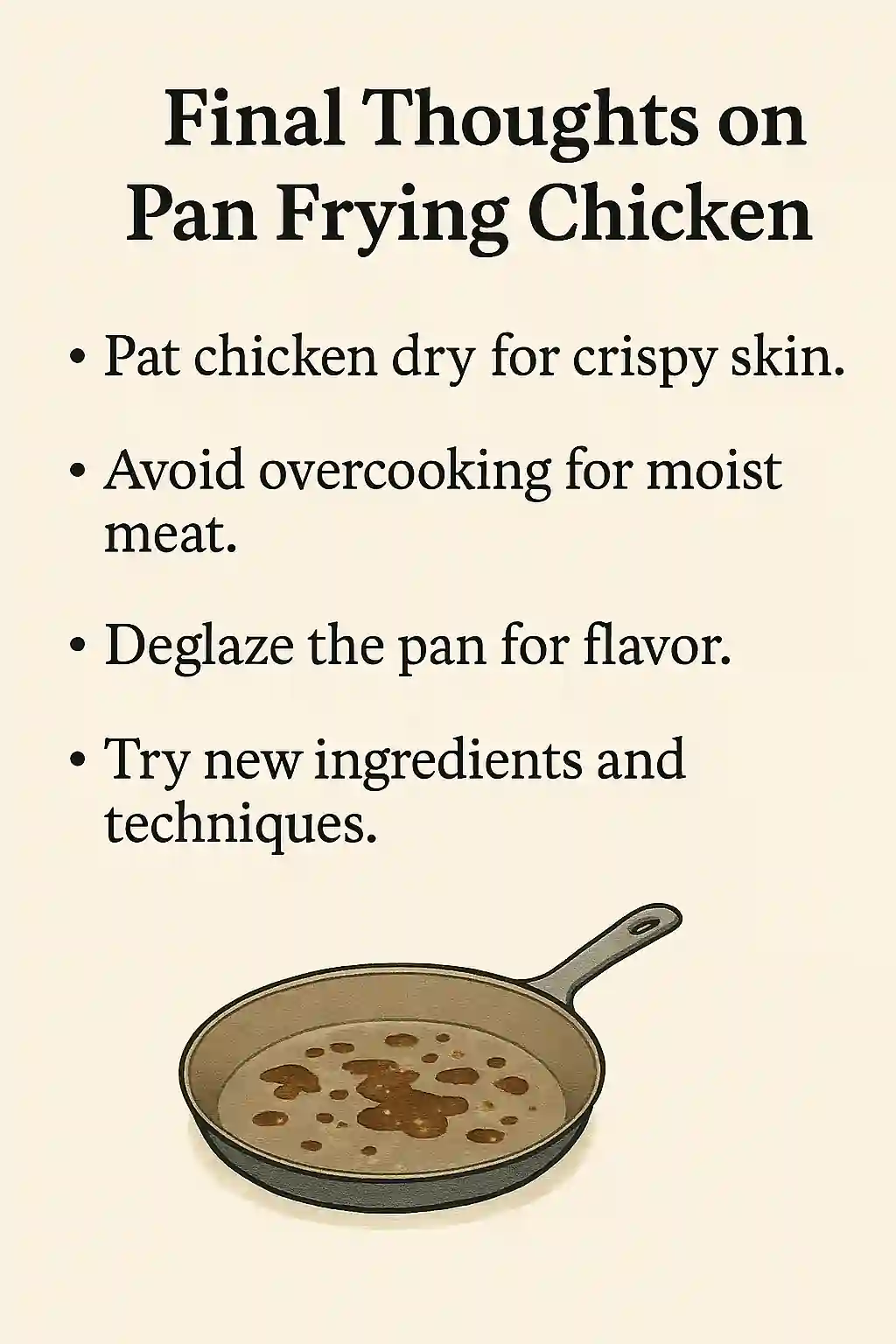
Mastering pan frying chicken is about understanding heat, oil, and timing. With proper seasoning, the right pan, and attention to internal temperature, you can consistently produce chicken that is crisp, juicy, and deeply satisfying.
Whether you’re using a cast iron skillet, a stainless steel pan, or a nonstick pan, the fundamentals remain the same control the heat, respect the oil, and let the chicken cook undisturbed. Also read more about pan frying chicken
Enjoyed this recipe?
One great recipe. Every Sunday. In your inbox.
Weekly. No spam. Unsubscribe in one click.
Keep reading
More from Recipes
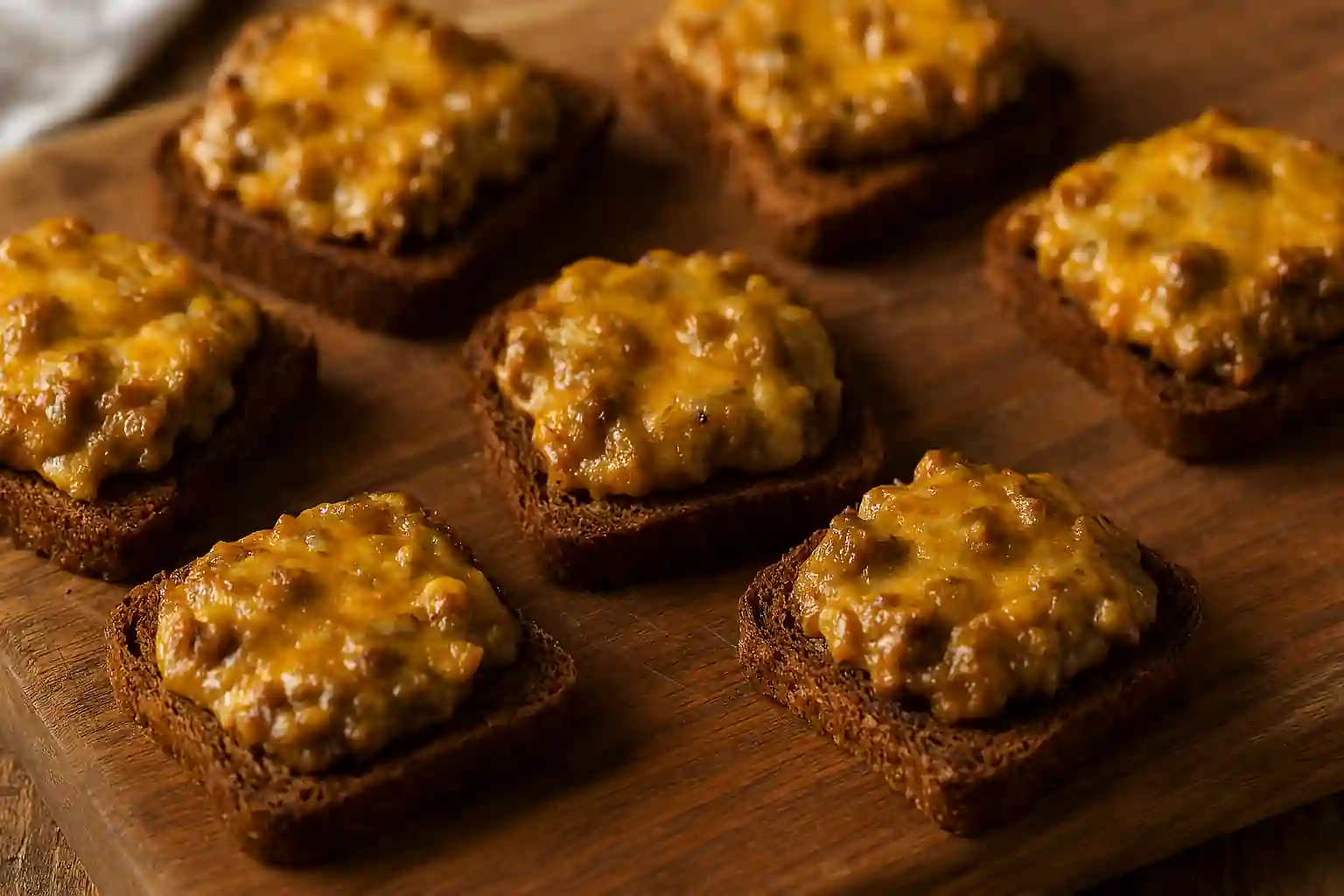 →
→Hanky Panky Recipe (Cocktail & Appetizer Guide)
If you’ve ever searched for a hanky panky recipe, you may have noticed something interesting: the name refers to two completely different but equally iconic creations. One is a legendary pre-prohibition cocktail made with gin, sweet vermouth, and Fernet-Branca. The other is a beloved Midwest recipe a savory, cheesy, meaty spread baked on rye bread … Read more
· 7 min read
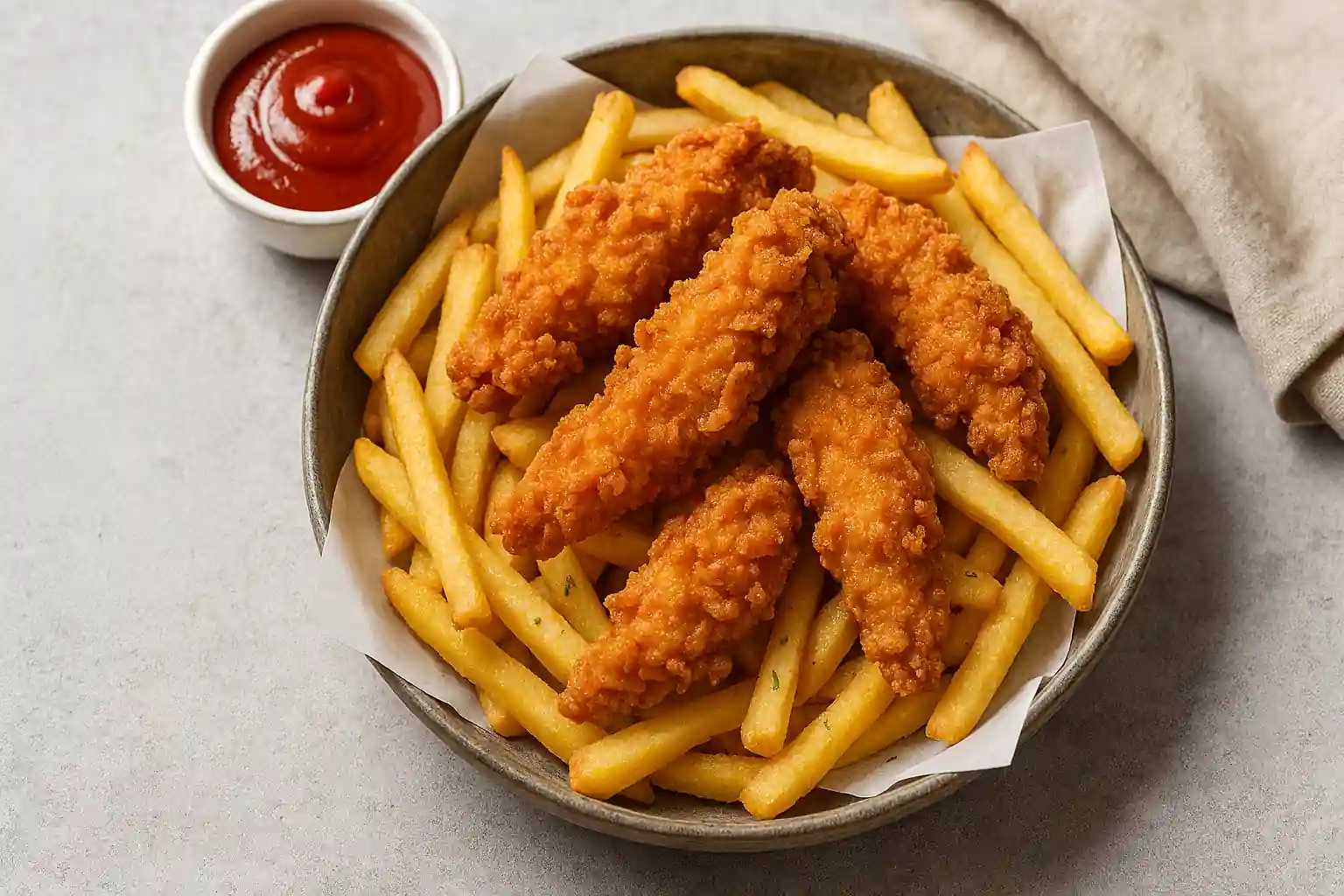 →
→Fried Chicken Fries Recipe
Fried chicken fries are the perfect crossover snack crispy on the outside and juicy on the inside, shaped like fries but made from seasoned chicken. This fried chicken fries recipe walks you through everything: what chicken fries are, how to make golden, crunchy chicken fries, and how to recreate fast food–style chicken fries at home … Read more
· 5 min read
Juicing Recipes: The Complete Informational Guide to Fresh, Healthy, Homemade Juice
Juicing recipes have become one of the most popular ways to consume fresh produce in a simple, drinkable form. From fresh juice packed with natural vitamins and minerals to carefully planned juice cleanse routines, juicing offers a convenient gateway into plant-based nutrition and liquid nutrition. This guide is designed to walk you through everything you … Read more
· 5 min read