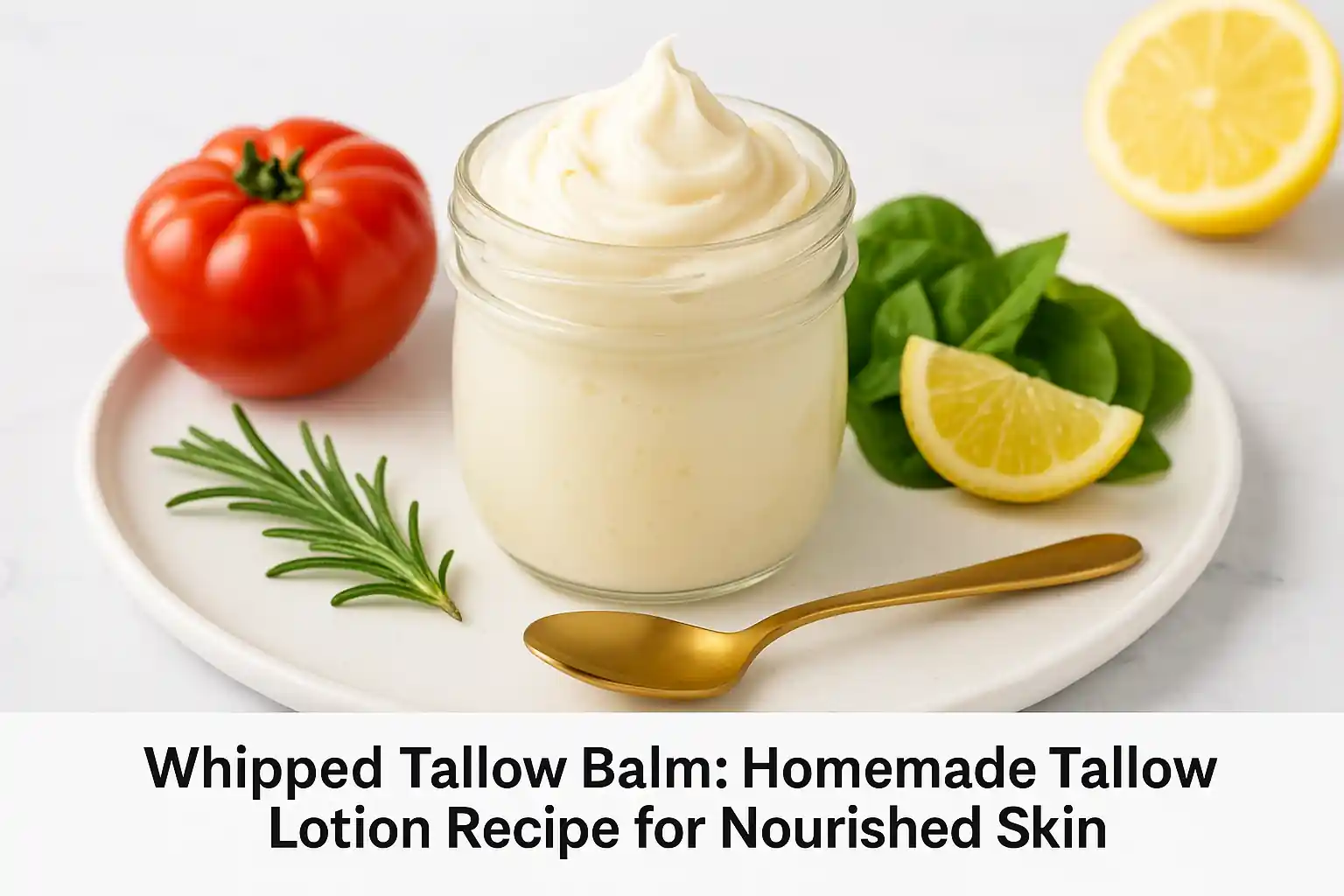
Whipped Tallow Balm: Homemade Tallow Lotion Recipe for Nourished Skin
Tallow Lotion Recipe: Whipped Tallow Balm for Natural Skincare Introduction to Tallow and Natural Skincare Tallow has long been used in traditional skincare for its moisturizing and healing properties. It is derived from beef fat and when rendered properly, it becomes a gentle, nourishing base for many natural skincare products. In this guide, we will … Read more
By Menu Moments
Menu Moments editorial
Tallow Lotion Recipe: Whipped Tallow Balm for Natural Skincare
Introduction to Tallow and Natural Skincare
Tallow has long been used in traditional skincare for its moisturizing and healing properties. It is derived from beef fat and when rendered properly, it becomes a gentle, nourishing base for many natural skincare products. In this guide, we will walk through the process of creating your own whipped tallow balm at home—a rich, creamy, and deeply hydrating moisturizer suitable for dry, sensitive, or eczema-prone skin. We’ll also explore the benefits, uses, and variations of tallow lotion, often called a whipped body butter.
What Is Tallow and Why Use It for Skin?
Tallow is rendered animal fat, most commonly from cows. When prepared correctly, tallow closely mimics the oils naturally produced by human skin, making it an ideal moisturizer. Tallow is solid at room temperature and contains beneficial vitamins A, D, E, and K, which nourish the skin and support healing. Unlike many synthetic moisturizers, tallow balm works with your skin’s biology.
According to The Weston A. Price Foundation, tallow has been used historically to treat skin irritations and provide lasting hydration.
Benefits of Tallow Balm
Nourishment and Moisture
Whipped tallow balm deeply nourishes the skin, making it an effective moisturizer for dry skin. When blended with carrier oils like jojoba oil, avocado oil, or almond oil, it becomes even more beneficial for skin health.
Healing Properties
Thanks to its natural ingredients, tallow can be used to soothe eczema, skin irritations, and even minor wounds. It contains anti-inflammatory and antimicrobial components that promote skin healing.
Natural and Affordable
Making tallow at home is economical, especially if you source tallow from a local farmer. This ensures freshness and quality, while also allowing you to control the ingredients used.
Homemade Whipped Tallow Balm Recipe
Ingredients You’ll Need
- 1 cup rendered tallow (beef tallow)
- 1/4 cup liquid oil (jojoba oil, avocado oil, or almond oil)
- 1 tbsp shea butter (optional for added richness)
- 10–15 drops essential oil (like lavender or frankincense)
Equipment
- Hand mixer or stand mixer
- Double boiler
- Glass jar or tin for storage
- Measuring spoons
Step-by-Step Guide to Make Tallow Balm
1. Render the Tallow
If you haven’t already rendered your tallow, begin by melting beef fat over low heat in a double boiler. Once it’s liquefied and strained of impurities, let it cool slightly but remain soft.
For a detailed guide on rendering fat, Healthline’s nutrition article on tallow can be helpful.
2. Melt and Blend Ingredients
Melt the tallow, shea butter, and chosen liquid oil in a double boiler. Once everything is completely melted, remove from heat and let it cool until it begins to firm up—but not solidify.
3. Whip the Mixture
Using a hand mixer or stand mixer, whip the cooled blend until it becomes fluffy and white, like whipped cream. This is what gives it the texture of whipped body butter.
4. Add Essential Oils
Once whipped, add your preferred essential oil. Be cautious with sensitive skin—do a patch test if unsure.
5. Store Your Tallow Balm
Scoop the whipped balm into a clean jar with a tight-fitting lid. Store your tallow balm in a cool, dry place. It has a long shelf life when kept properly, often up to 6 months.
Tallow Lotion vs. Other Skincare Products
Tallow Lotion vs. Body Butter
Tallow lotion is thicker and richer than standard lotions. It has a similar consistency to body butter but absorbs more effectively without a greasy after-feel when whipped correctly.
Tallow Balm vs. Lotion Bars
Both are made with oils and solid at room temperature. Lotion bars are more portable and less creamy, while tallow lotion provides a luxurious feel, particularly for night use.
Variations: Customize Your DIY Whipped Tallow Balm
Add Herbal Oils
Calendula oil and rosehip oil add extra healing properties. These are particularly effective for sensitive skin and stretch marks.
Scented Blends
Add essential oils like lavender, tea tree, or frankincense. Always ensure you’re using skin-safe oils and test for allergies.
Carrier Oils
Each carrier oil offers unique benefits:
- Jojoba oil: Closest to human sebum
- Avocado oil: Rich in vitamin E
- Almond oil: Lightweight and soothing
- Castor oil: Great for deep moisture (used sparingly)
Read more about carrier oils at AromaWeb’s carrier oil guide.
Addressing Common Concerns
“Smelling Like Beef?”
Properly rendered and whipped tallow does not have a strong smell. You can neutralize any remaining scent with essential oils. Store your tallow balm away from heat to maintain freshness.
Greasy Feeling?
If your balm feels greasy, you might be using too much or need to increase the ratio of liquid oil. Test and adjust.
Lotion Consistency
To achieve a smooth lotion consistency, ensure the blend is not overly hardened before whipping. Use a good-quality hand mixer and let it cool slightly before whipping.
Watch Me Make Whipped Tallow Balm (Video Resource)
Visual learners may benefit from video guides. A well-known creator at YouTube’s Wildly Unpopular demonstrates homemade tallow balm techniques.
Using the Tallow: Applications
- As a daily moisturizer
- Lip balm
- Shaving cream
- Hand cream
- Baby care
It works best after a shower, locking in moisture when skin is slightly damp.
Skincare Recipes Using Tallow
Lotion Bars with Tallow
- 1/2 cup tallow
- 1/4 cup beeswax
- 1/4 cup coconut oil
- Essential oils
Melt and pour into silicone molds. Allow to cool.
Tallow Face Balm
- 1 tbsp tallow
- 1 tsp jojoba oil
- 1 drop rosehip oil
Melt, mix, and store in a small jar.
More recipes can be found at The Nerdy Farm Wife, which offers natural DIY body products.
FAQs About DIY Tallow Skincare
What’s the shelf life of homemade whipped tallow balm?
When stored properly, about 4–6 months. Keep it away from heat and moisture.
Can I use coconut oil instead of jojoba oil?
Yes. You can use coconut oil, olive oil, or even sunflower oil depending on your skin type.
Is it safe for sensitive skin?
Absolutely. Just ensure essential oils are used in low concentrations. Perform a patch test.
Does it clog pores?
Tallow is non-comedogenic and mimics skin sebum, so it typically won’t clog pores.
Conclusion: Why You Should Try a Tallow Lotion Recipe
Homemade whipped tallow balm is a powerful, natural moisturizer that supports skin healing, nourishes deeply, and is easy to make. Whether you’re dealing with dry skin, eczema, or just want a non-toxic moisturizer, this DIY whipped balm is worth trying.
With simple ingredients, a stand mixer, and some basic knowledge, you can transform beef fat into a luxurious, healing balm. Make the tallow yourself or buy from a trusted local source, customize it with your favorite oils, and see how it makes your skin feel.
Explore further benefits and safety considerations at NCBI’s article on topical fats for skin care.
Enjoyed this recipe?
One great recipe. Every Sunday. In your inbox.
Weekly. No spam. Unsubscribe in one click.
Keep reading
More from Recipes
 →
→Hanky Panky Recipe (Cocktail & Appetizer Guide)
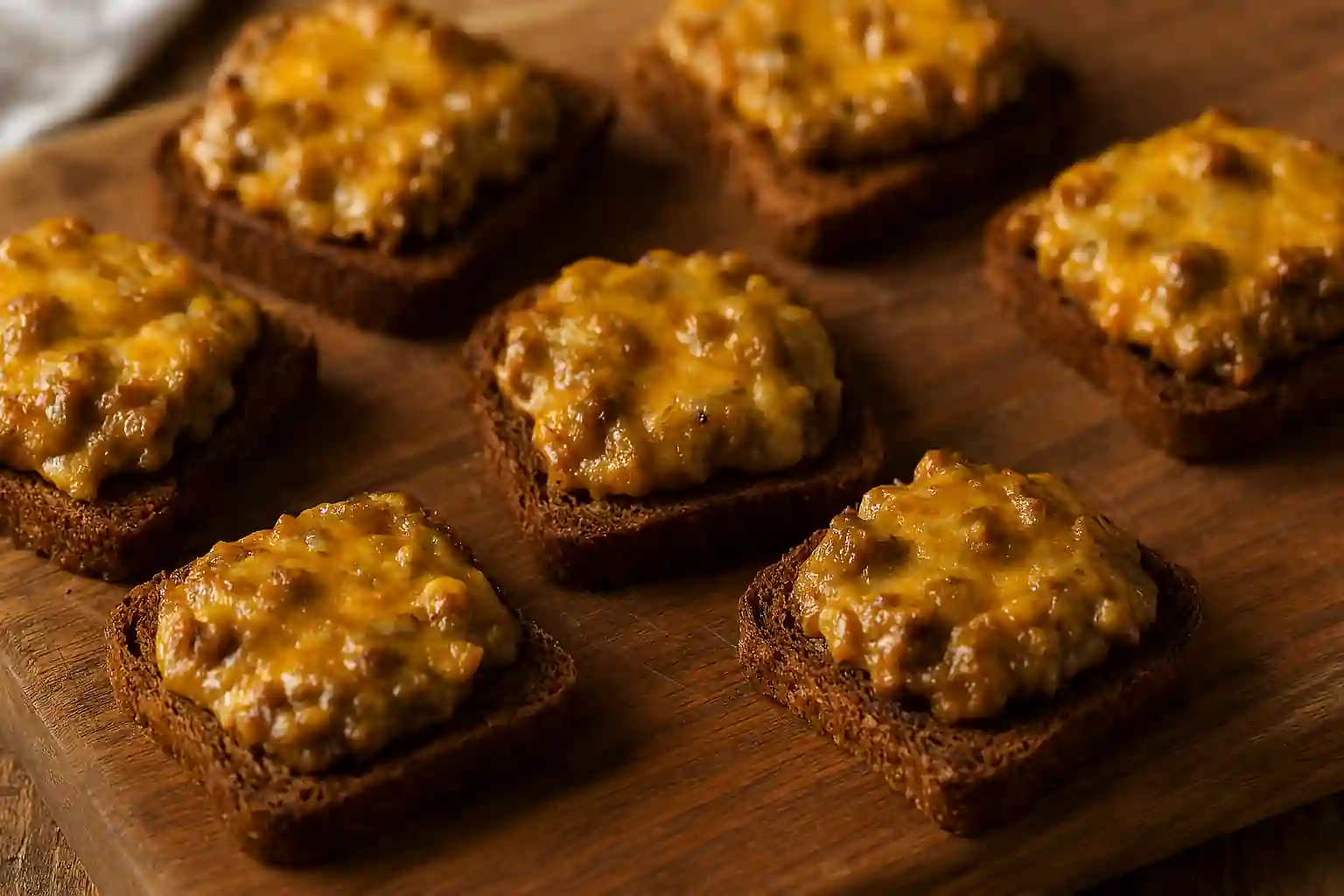
If you’ve ever searched for a hanky panky recipe, you may have noticed something interesting: the name refers to two completely different but equally iconic creations. One is a legendary pre-prohibition cocktail made with gin, sweet vermouth, and Fernet-Branca. The other is a beloved Midwest recipe a savory, cheesy, meaty spread baked on rye bread … Read more
· 7 min read
 →
→Fried Chicken Fries Recipe
Fried chicken fries are the perfect crossover snack crispy on the outside and juicy on the inside, shaped like fries but made from seasoned chicken. This fried chicken fries recipe walks you through everything: what chicken fries are, how to make golden, crunchy chicken fries, and how to recreate fast food–style chicken fries at home … Read more
· 5 min read
Juicing Recipes: The Complete Informational Guide to Fresh, Healthy, Homemade Juice
Juicing recipes have become one of the most popular ways to consume fresh produce in a simple, drinkable form. From fresh juice packed with natural vitamins and minerals to carefully planned juice cleanse routines, juicing offers a convenient gateway into plant-based nutrition and liquid nutrition. This guide is designed to walk you through everything you … Read more
· 5 min read