Asian Cuisine: Legumes Like Tofu & Douchi in Chinese Cooking
Types of Beans Common in Chinese and Taiwanese Cuisine Beans, legumes, and soy products play a central role in Chinese and Taiwanese cuisine. These ingredients are versatile, nutritious, and essential in many traditional dishes, offering various textures, flavors, and nutritional benefits. From the popular black bean to lesser-known varieties such as mung beans and fava … Read more
By Menu Moments
Menu Moments editorial
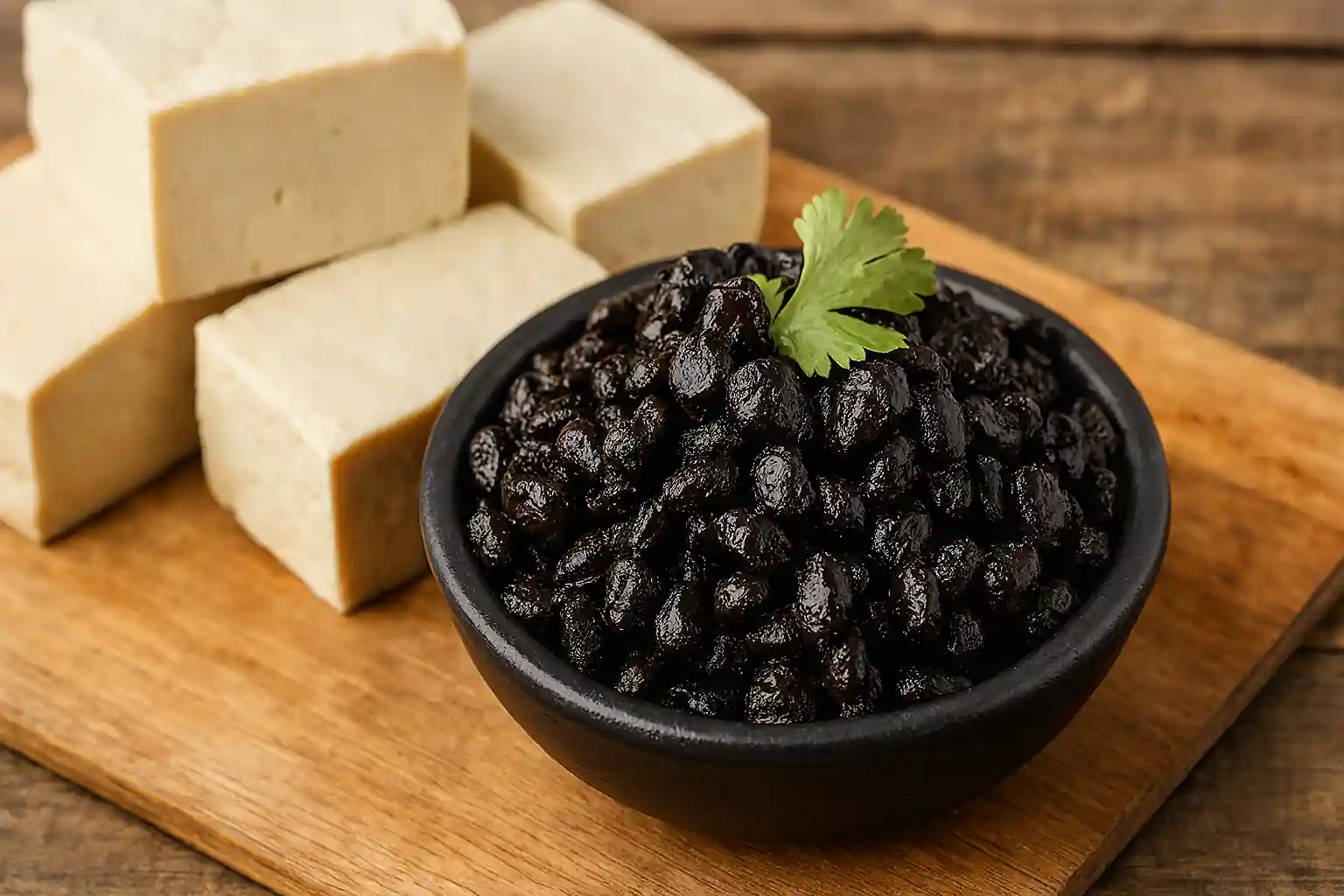
Types of Beans Common in Chinese and Taiwanese Cuisine
Beans, legumes, and soy products play a central role in Chinese and Taiwanese cuisine. These ingredients are versatile, nutritious, and essential in many traditional dishes, offering various textures, flavors, and nutritional benefits. From the popular black bean to lesser-known varieties such as mung beans and fava beans, these legumes are utilized in various ways, from soups to stir-fries and even as condiments. In this article, we will delve into the types of beans commonly used in Chinese and Taiwanese cuisine, their nutritional benefits, how they are used in traditional recipes, and the role of soy products such as tofu and edamame.
The Role of Beans and Legumes in Chinese Cooking
Beans and legumes are a crucial part of Chinese cooking, often featured in a variety of dishes ranging from soups and stir-fries to sweet treats. These ingredients, including varieties like black beans, soybeans, mung beans, and red beans, add both texture and protein to the meals, making them a staple in vegetarian and plant-based diets.
Types of Beans Common in Chinese Cuisine
In Chinese cuisine, beans are used in a wide array of dishes, from savory to sweet. Let’s explore the different types of beans that are frequently used.
Black Beans
Black beans are widely used in Chinese cooking, particularly in the form of fermented black beans known as douchi. These beans are salt-fermented, giving them a strong umami flavor that enhances sauces, stir-fries, and soups. The rich taste of black beans in douchi form is a favorite ingredient in Sichuan cuisine, where it is used in braises and stir-fries, often in combination with garlic sauce and other seasonings to add depth and complexity to the dish.
Soybeans and Edamame
Soybeans, or huáng dòu (黄豆), are one of the most significant beans in Chinese cuisine. They are used in many forms, from tofu and soy sauce to soy milk and edamame (young soybeans). Edamame, also known as máo dòu (毛豆) in Chinese, is a popular snack and appetizer in both Chinese and Taiwanese cuisine. These legumes are often served steamed or boiled with a sprinkle of salt, making them a delicious and healthy snack or side dish. The soybean, in its dried form, is the base for tofu, a versatile ingredient in both savory and sweet dishes, including soups, stir-fries, and desserts.
Mung Beans
Mung beans, or lǜ dòu (绿豆), are another legume commonly used in Chinese cooking, particularly in sweet soups and desserts. Mung beans can be cooked and sweetened with sugar to make a traditional dessert or used in savory dishes, such as soups and stir-fries. Mung bean sprouts are also used as a vegetable in stir-fries and salads, providing a crunchy texture.
Red Beans (Adzuki Beans)
Red beans, also known as adzuki beans, are frequently used in Chinese desserts, especially in the form of sweet red bean paste. This paste is often used as a filling for pastries, buns, and other treats, adding a rich sweetness and a smooth texture. Red beans can also be used in savory dishes, though they are more commonly associated with sweet soups and snacks.
Fava Beans and Broad Beans
Fava beans, or cán dòu (蚕豆), are used in various Chinese dishes, especially in stir-fries and braises. These beans are often cooked with garlic, soy sauce, and other seasonings to create a flavorful dish. Fava beans are also used in some regional Chinese cuisines, such as Sichuan, where they are combined with spices to create bold, flavorful dishes.
The Many Uses of Beans in Chinese and Taiwanese Cuisine
Beans and legumes are not only popular for their nutritional value but also for their versatility in cooking. In Chinese and Taiwanese cuisine, these legumes can be used in a variety of forms, from fresh and raw beans to dried varieties, sprouts, and fermented products. Below are some common uses of beans in Chinese cuisine:
Stir-Fries and Soups
Beans, especially soybeans and mung beans, are commonly featured in stir-fries and soups. For example, sichuan stir-fries often incorporate douchi (fermented black beans) and edamame for added flavor. Mung bean soup is a traditional dessert in Chinese cuisine, offering a sweet and refreshing dish that’s especially popular during the hot summer months. Bean sprouts, such as soybean sprouts, are also a key ingredient in stir-fries, adding a fresh and crunchy texture to the dish.
Condiments and Sauces
Douchi (fermented black beans) is used in many Chinese sauces and condiments, where it imparts a deep, umami-rich flavor. These fermented beans are often combined with ingredients like garlic, ginger, soy sauce, and sugar to create savory sauces that enhance the taste of stir-fries, braised dishes, and steamed vegetables. Black bean sauce is a common ingredient in many Cantonese and Sichuan dishes, adding a unique savory flavor.
Bean Sprouts
Bean sprouts, particularly from soybeans, mung beans, and edamame, are widely used in stir-fries, soups, and salads. These sprouts are high in nutrients, providing a crunchy texture to dishes and a refreshing contrast to cooked vegetables. They can be lightly steamed or stir-fried with garlic and soy sauce for a quick and nutritious side dish.
Sweet Soups
In addition to savory dishes, beans are also used in Chinese sweet soups. These soups are often made with red beans or mung beans and sweetened with sugar to create a comforting, dessert-like dish. These sweet soups are traditionally served during festivals and special occasions and are known for their cooling properties in traditional Chinese medicine.
Tofu
Tofu, made from soybeans, is a key ingredient in Chinese and Taiwanese cuisine. It is a versatile ingredient that can be used in soups, stir-fries, salads, and even desserts. The most common form of tofu in Chinese cooking is soft tofu, which is used in soups and hot pot dishes. Firmer types of tofu are used in stir-fries, braises, and as fillings for dumplings. Tofu is also made into douhua, a soft, custard-like dessert often paired with syrup or sweet toppings.
The Nutritional Value of Beans and Legumes in Chinese Cuisine
Beans and legumes are not only delicious but also provide significant health benefits. Rich in protein, fiber, vitamins, and minerals, beans are an essential part of a balanced diet. Below are some of the key nutritional benefits of the beans commonly used in Chinese cooking:
High in Protein
Beans and legumes are an excellent source of plant-based protein, making them ideal for vegetarians and vegans. Soybeans, in particular, are rich in protein and are used to make various soy-based products such as tofu, edamame, and soy milk. These proteins are essential for muscle repair, growth, and overall body function.
Rich in Fiber
Beans are high in dietary fiber, which helps regulate digestion, promotes satiety, and supports heart health. Mung beans, black beans, and soybeans are all high in fiber, making them an excellent choice for maintaining a healthy digestive system.
Low in Calories
Many beans, such as soybeans, black beans, and mung beans, are low in calories, making them a great option for those looking to maintain a healthy weight. These legumes provide essential nutrients without contributing to excessive calorie intake.
Packed with Vitamins and Minerals
Beans are rich in essential vitamins and minerals, including iron, magnesium, potassium, and folate. Soybeans, for example, are an excellent source of iron, which is important for maintaining healthy red blood cells. Mung beans are rich in folate, an essential nutrient for cell growth and development.
If you're wondering does chocolate expire, this guide on chocolate shelf life explains how to know when chocolate has gone bad.
Conclusion
Beans and legumes, particularly varieties like black beans, mung beans, soybeans, and red beans, are an integral part of Chinese and Taiwanese cuisine. Whether used in savory stir-fries, hearty soups, or sweet desserts, these beans offer both flavor and nutritional value. Tofu, edamame, and douchi (fermented black beans) are just a few of the popular soy products that elevate the dishes in Chinese cooking. Understanding the role of these legumes and their many forms will deepen your appreciation for Chinese cuisine and encourage you to explore the endless possibilities they offer in cooking.
Incorporating beans into your daily diet, whether in soups, stir-fries, or as a side dish, not only enhances the taste of your meals but also boosts your nutritional intake. So the next time you cook a Chinese or Taiwanese dish, consider adding one of these beans to bring both flavor and health benefits to your table
Enjoyed this tip?
A weekly hit of kitchen know-how.
Tips, techniques and small upgrades — every Sunday.
Keep reading
More from Cooking tips
 →
→Foods That Start With U: Ideas, Facts & More
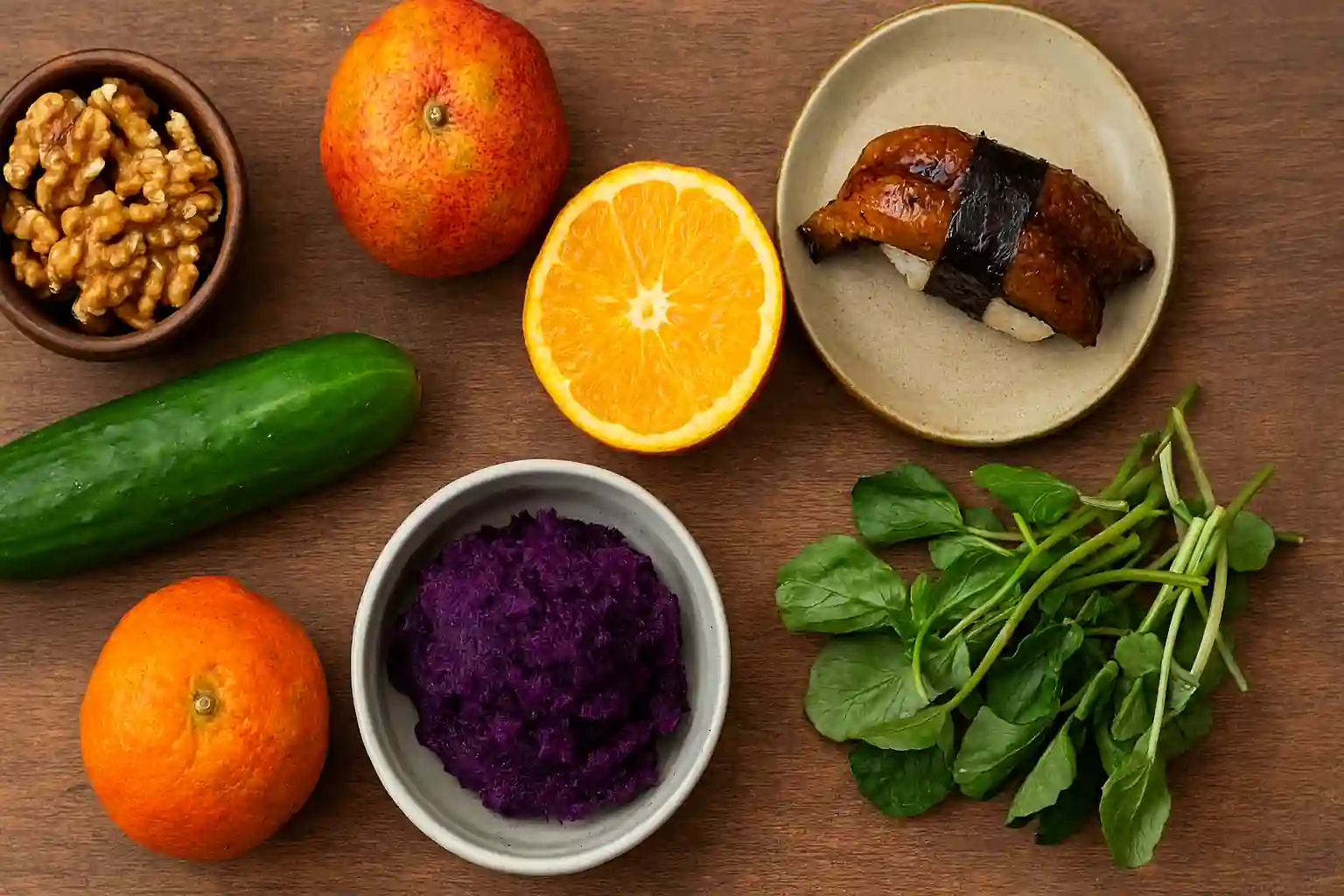
Foods That Start with U: A Comprehensive Guide to Unique and Delicious Dishes When it comes to exploring the diverse world of food, the letter “U” offers a wide variety of unique and flavorful options. From savory dishes to sweet treats, foods starting with U are as diverse as they are delicious. Whether you’re a … Read more
· 6 min read
 →
→20 Foods That Start With K: Tasty Foods Starting With the Letter K
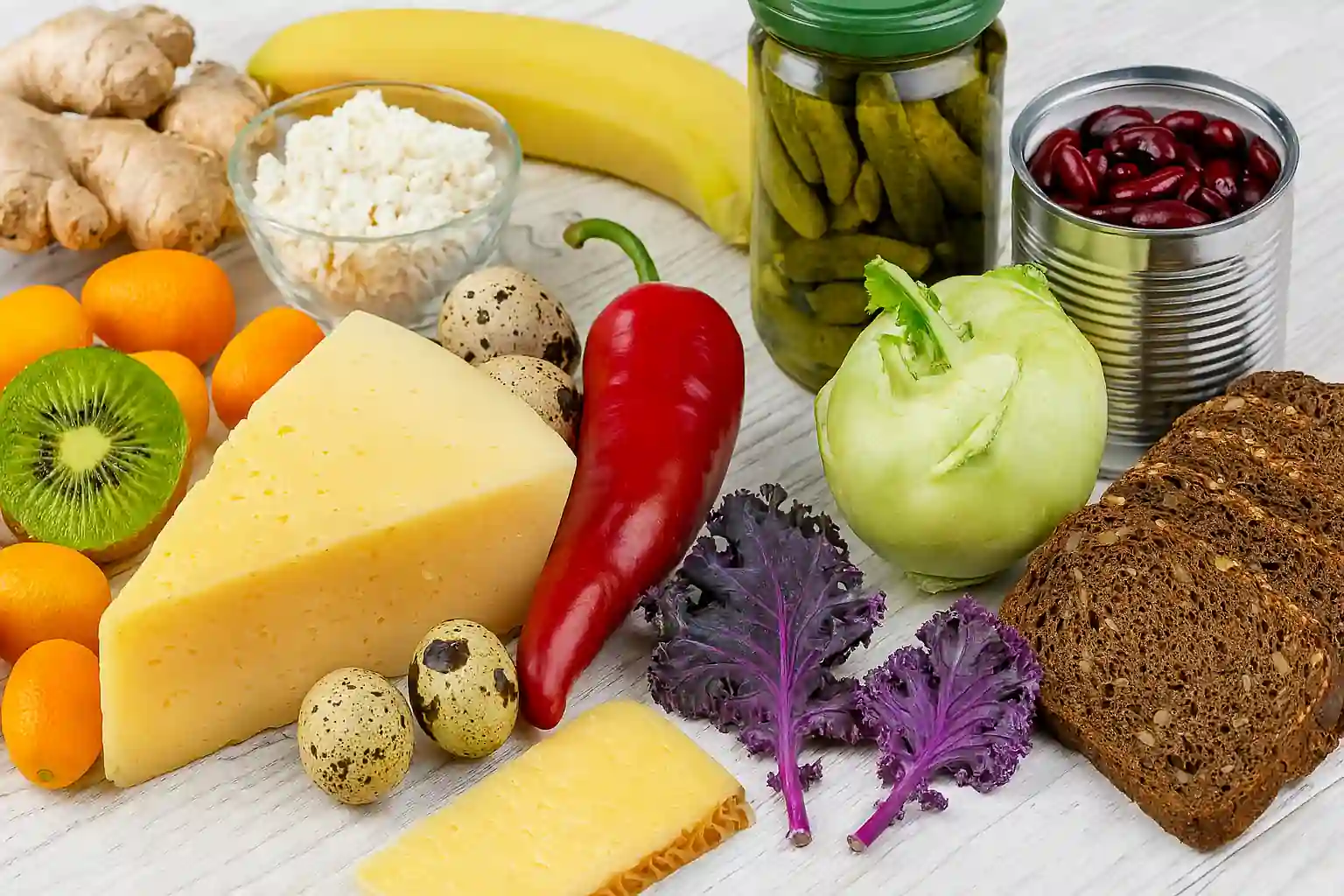
20 Foods That Start with K: Exploring the Culinary World of K-Flavors Are you curious about foods that start with the letter K? From vibrant fruits to delicious dishes, the letter K has a variety of exciting foods that are perfect for anyone looking to explore new flavors. This comprehensive guide will take you through … Read more
· 6 min read
 →
→Foods That Start With the Letter J
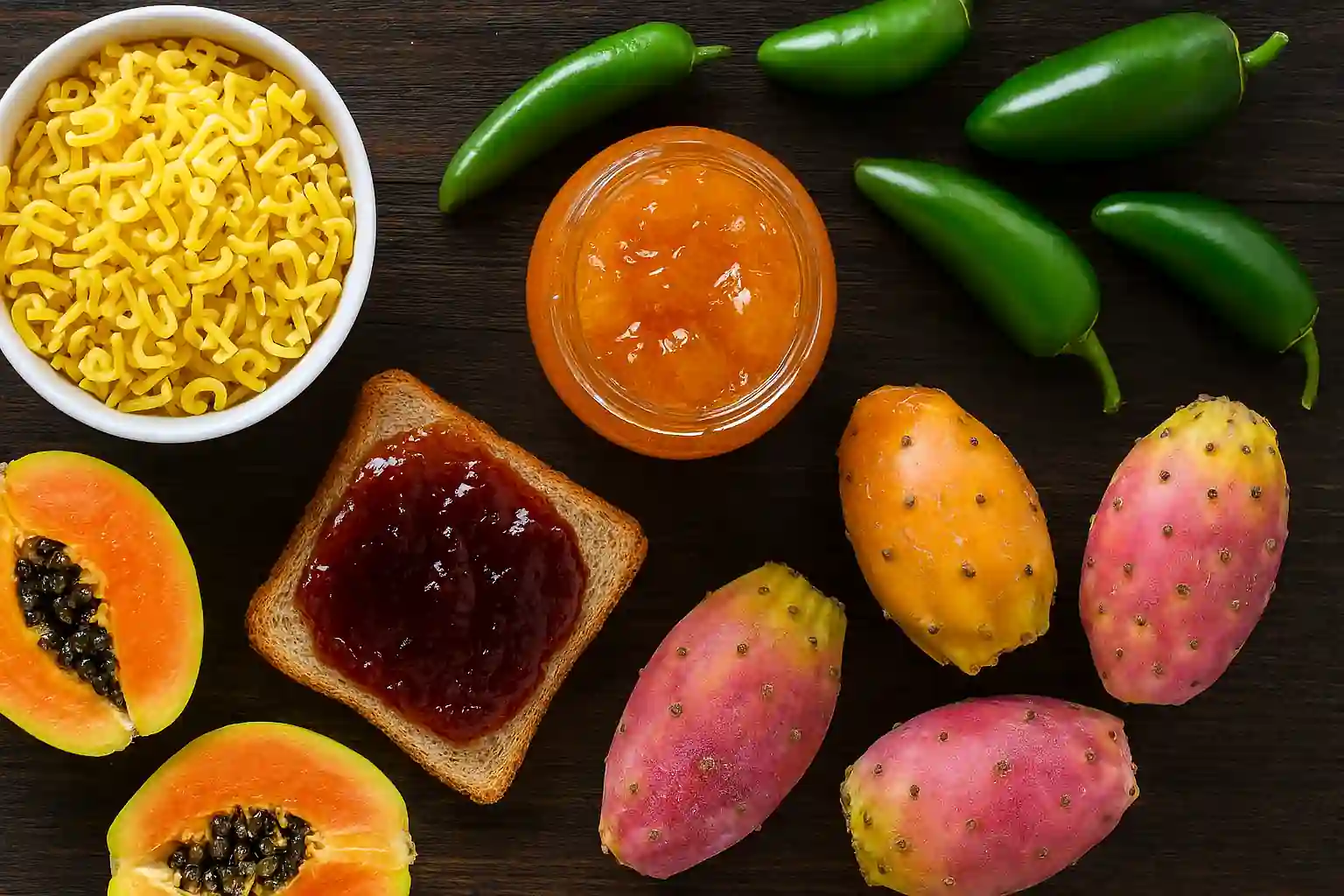
Foods That Start with the Letter J: A Complete Guide to Delicious Dishes and Ingredients When it comes to food, the letter J has a rich variety of options that range from hearty dishes to refreshing fruits and vegetables. Whether you’re a foodie, a culinary enthusiast, or simply curious, this guide is here to give … Read more
· 6 min read