Can You Microwave Styrofoam? Safety Guide for Foam Containers and Reheating Food
Can You Microwave Styrofoam? Microwaves have become indispensable in modern kitchens, offering quick and efficient ways to heat food. But not every container is made to withstand the heat and energy generated by microwave ovens. One recurring question among consumers is: can you microwave styrofoam? With increasing takeout and food delivery services, many meals come … Read more
By Menu Moments
Menu Moments editorial
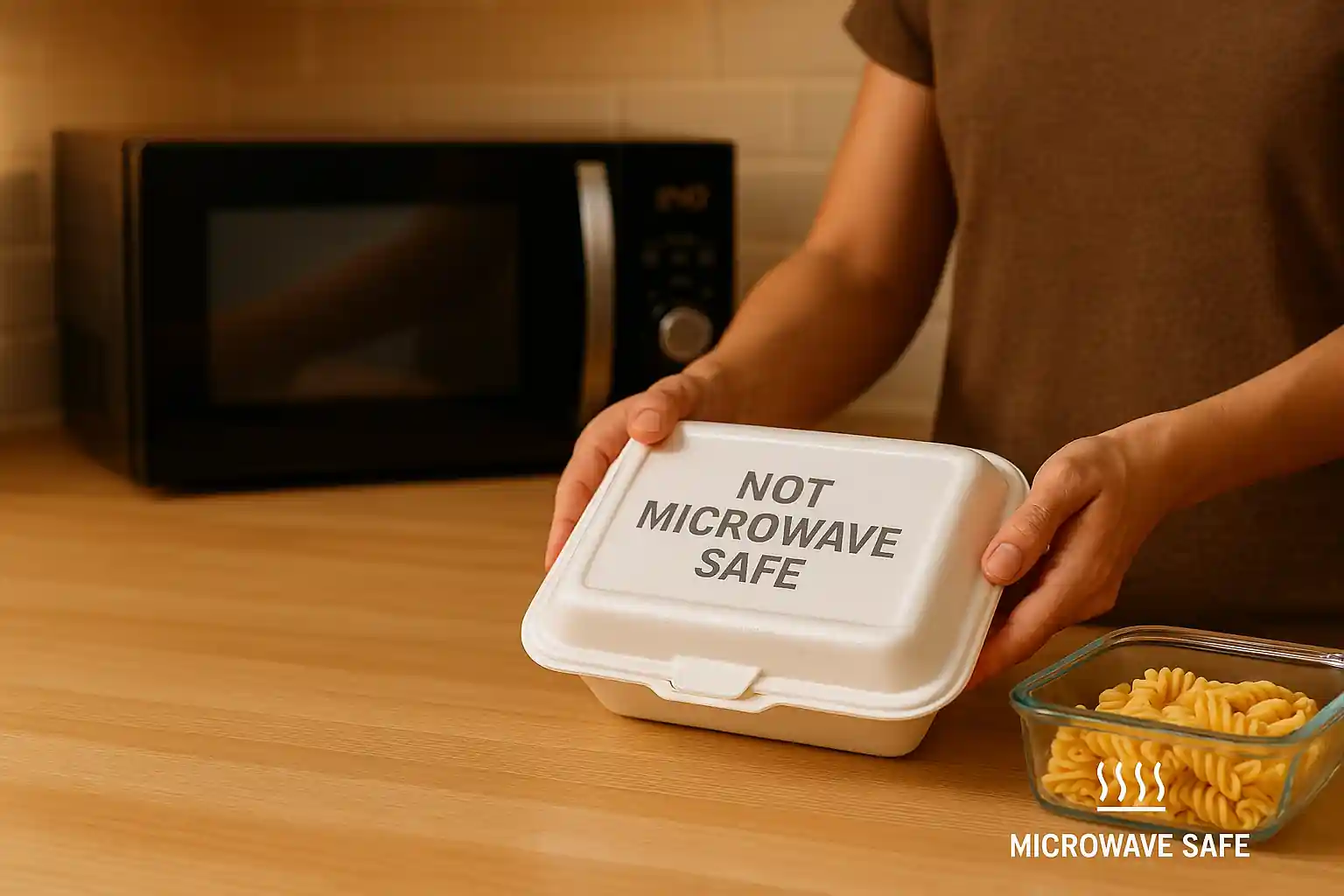
Can You Microwave Styrofoam?
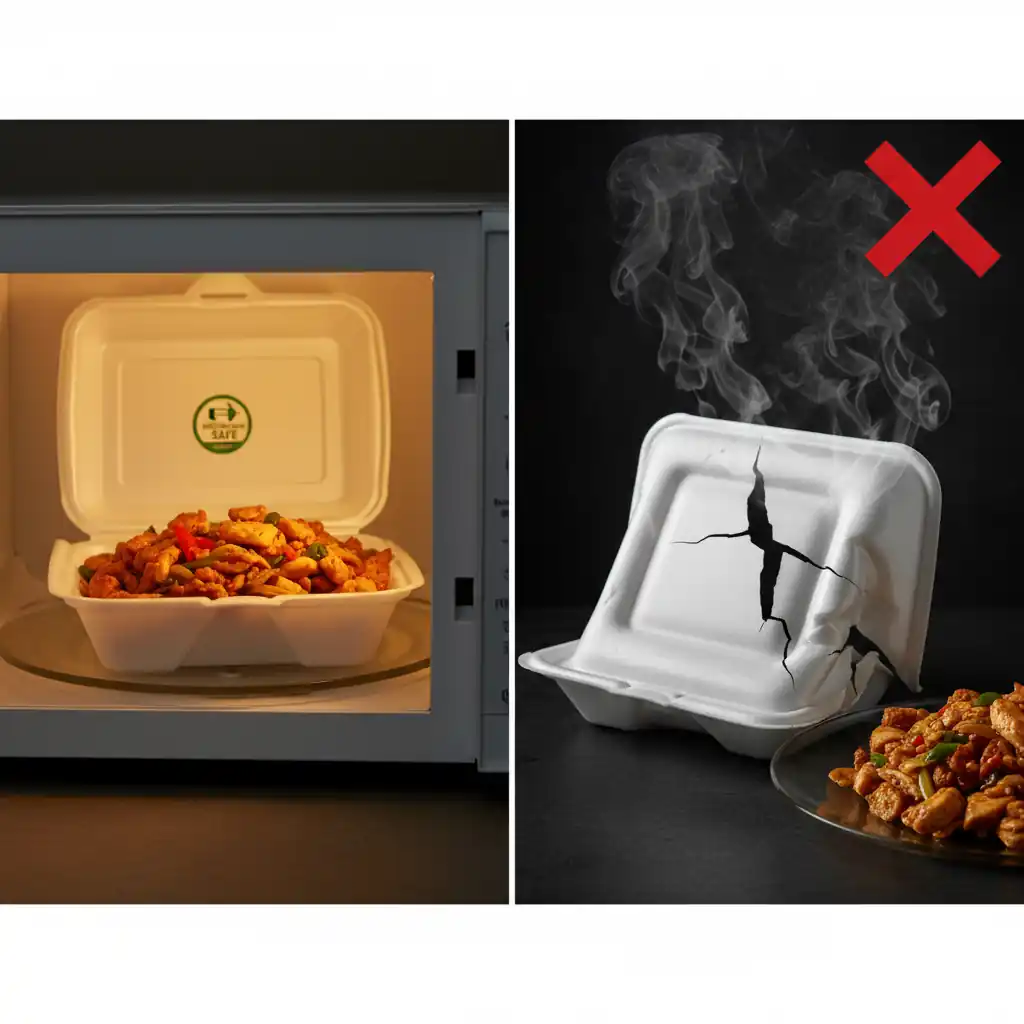
Microwaves have become indispensable in modern kitchens, offering quick and efficient ways to heat food. But not every container is made to withstand the heat and energy generated by microwave ovens. One recurring question among consumers is: can you microwave styrofoam? With increasing takeout and food delivery services, many meals come in foam containers, leading to concerns about whether it’s safe to reheat food in them. This article explores everything you need to know about microwaving styrofoam, from the science behind the material to safe practices for reheating your meals.
💡 Looking for a safer, more efficient microwave? Check out our top microwave picks for 2025—tested and reviewed for every kitchen style and budget.
What Is Styrofoam?
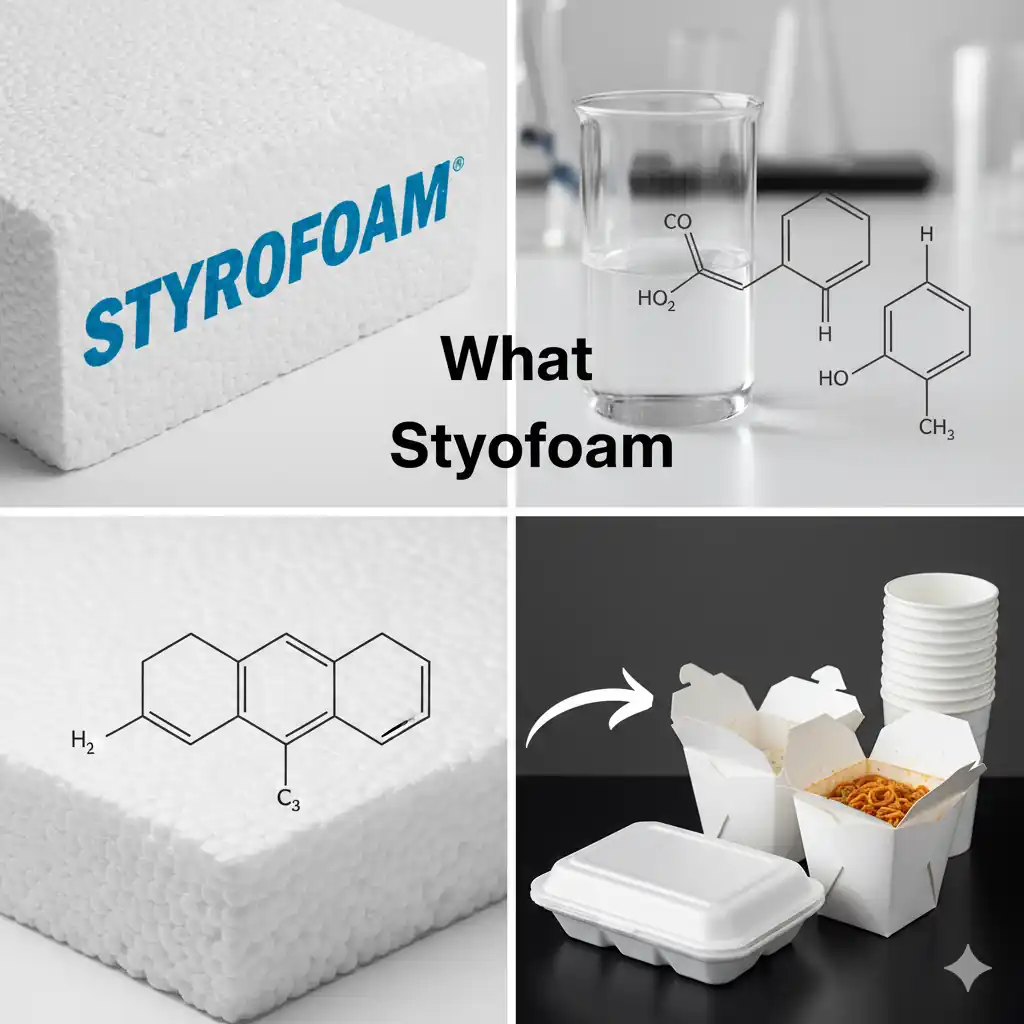
Styrofoam is a brand name trademarked by the Dow Chemical Company, but the term is often used generically to describe foam containers. Technically, most foam containers used for food service are made from expanded polystyrene foam (EPS), not the actual Styrofoam brand, which is typically used for insulation and construction materials.
Polystyrene is a plastic polymer made from styrene, a substance derived from petroleum and natural gas. EPS is created by expanding the plastic into a foam-like material, which is light, insulative, and inexpensive—ideal for storing hot and cold food items.
Understanding Microwave Safety and Materials
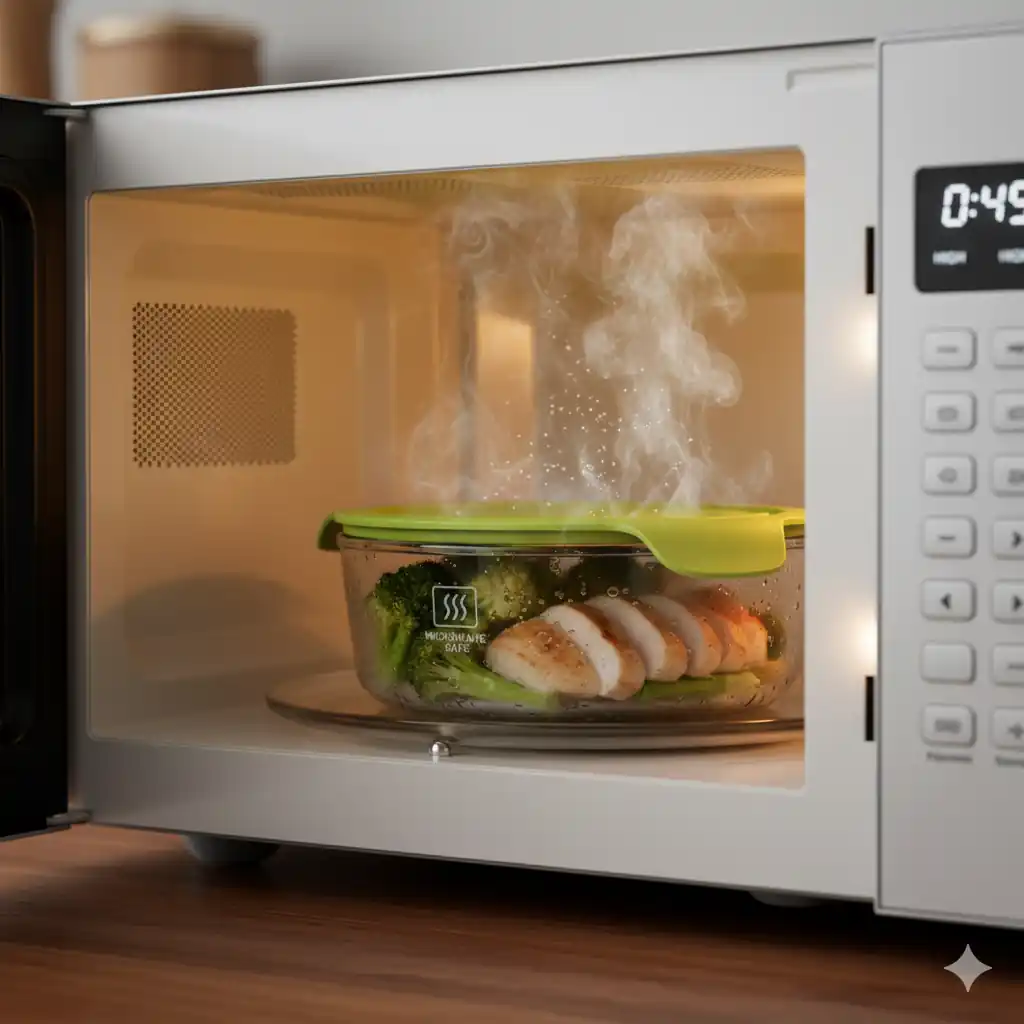
How Microwaves Heat Food
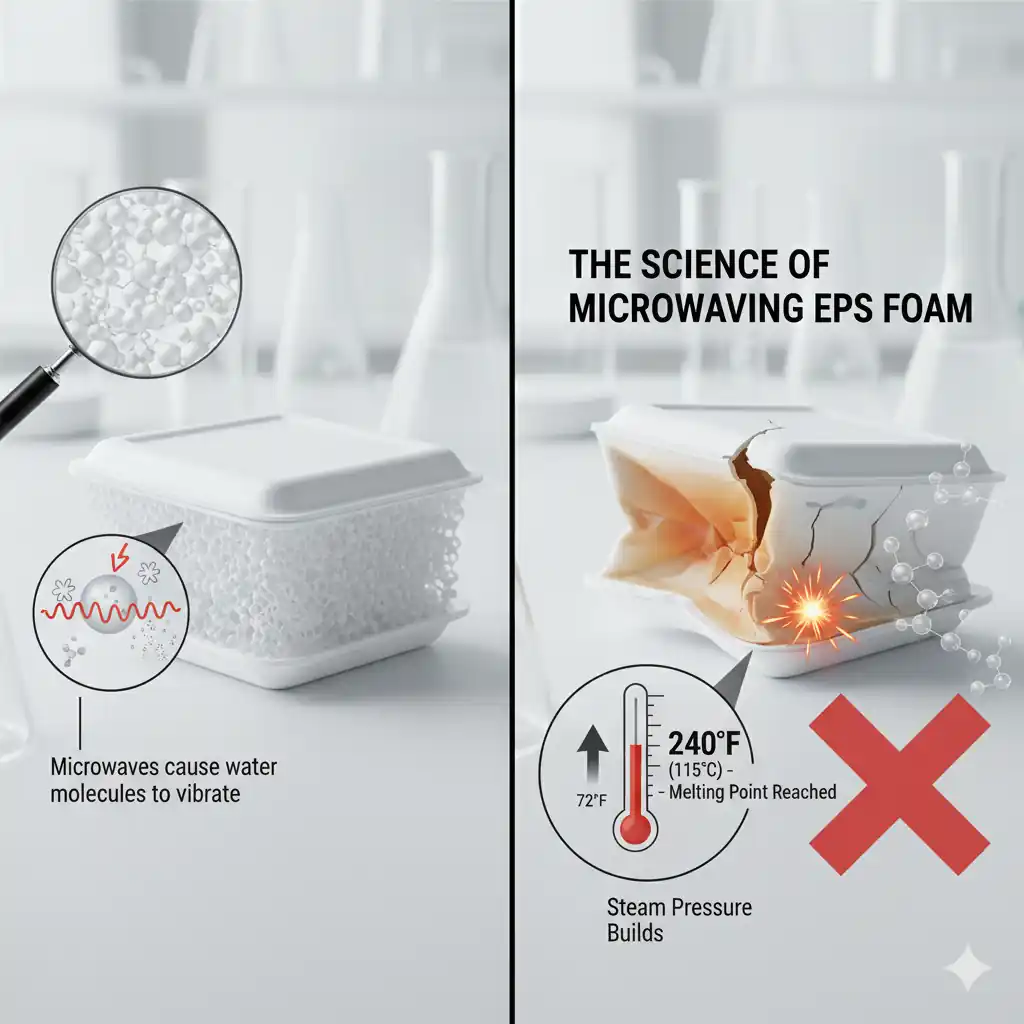
A microwave oven uses electromagnetic waves, specifically microwaves, to cause water molecules in food to vibrate. This vibration produces heat, which warms or cooks the food. Since microwaves target water molecules, containers that are non-porous or heat-sensitive, such as some plastics and foams, may not withstand the internal heating.
When you microwave food, the container holding it must not only tolerate the heat but must also not leach chemicals into your meal. That’s where materials like glass or ceramic containers shine—they are generally safe, non-reactive, and can handle high temperatures.
Is It Safe to Microwave Styrofoam?
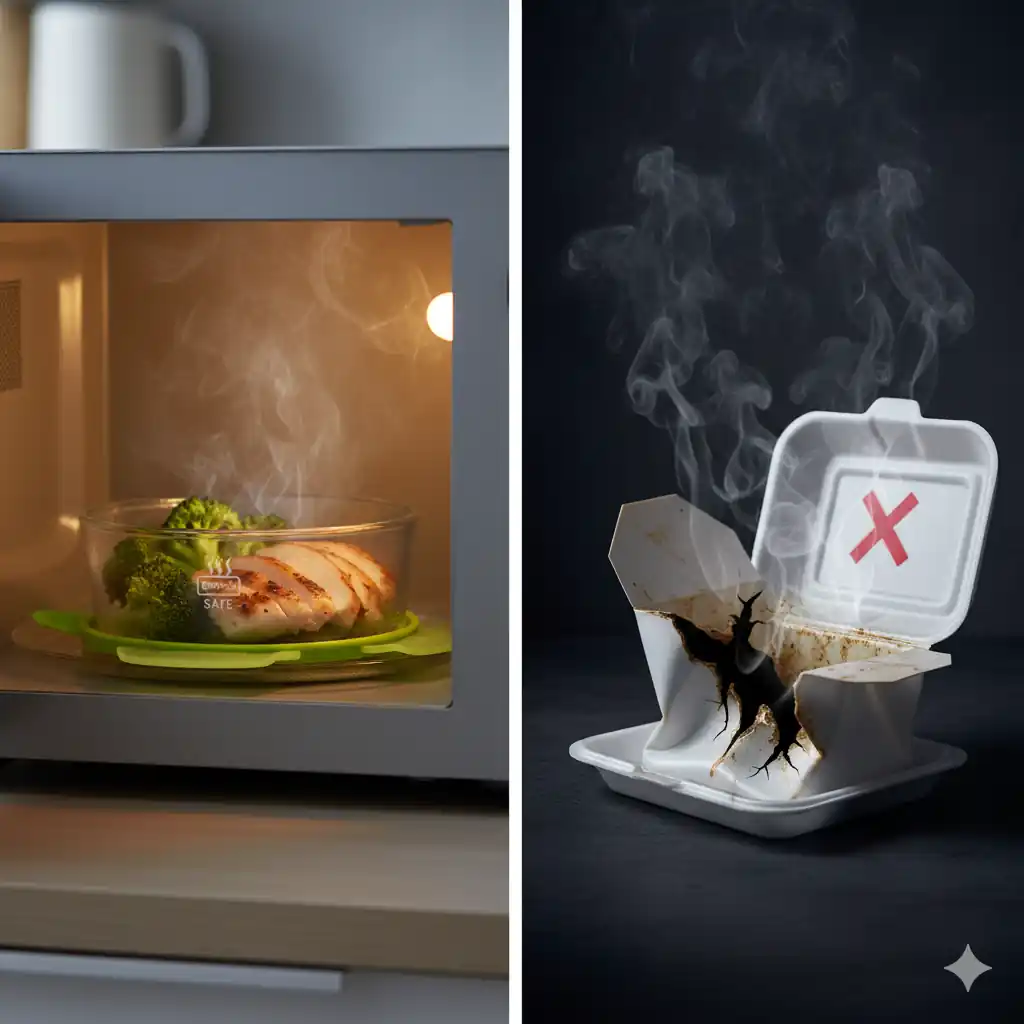
Not All Foam Is Created Equal
The short answer: it depends. Some foam containers are specifically labeled microwave-safe, while others are not. If your foam container does not bear a microwave-safe label, then it is not safe to microwave. Using the wrong type of foam can lead to:
-
Melting of the container
-
Release of harmful chemicals into the food
-
Structural breakdown of the container, creating a mess or fire risk
FDA Regulations on Microwave Safety
The Food and Drug Administration (FDA) has guidelines regarding which plastics and foams are safe for microwave use. Containers labeled as microwave-safe are tested to ensure that they will not release dangerous substances or melt at standard microwave temperatures. Look for the microwave-safe symbol, typically a set of wavy lines or wording indicating safe usage.
Dangers of Microwaving Non-Microwave-Safe Styrofoam
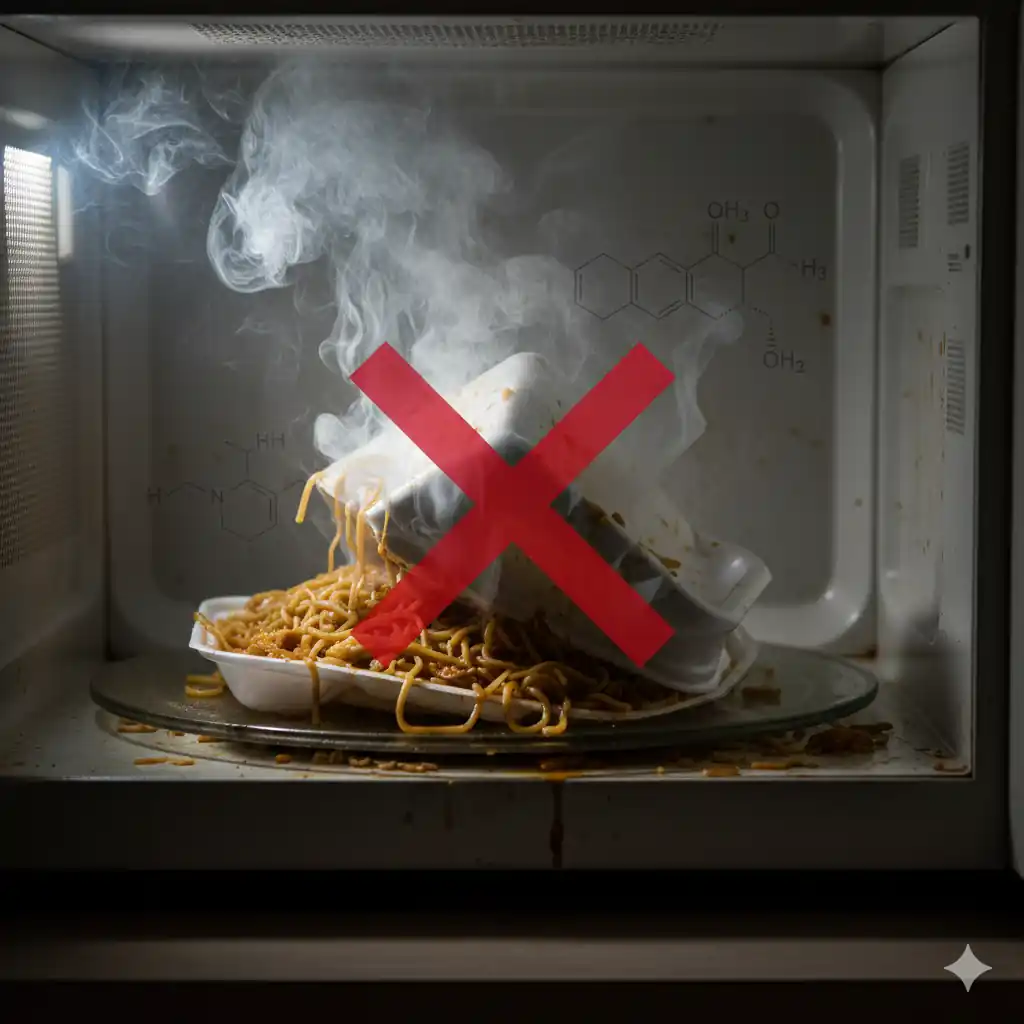
Chemical Leaching
When non-microwave-safe EPS is heated, it can release chemicals like styrene, which may migrate into the food. While the occasional exposure might not pose an immediate threat, chronic exposure to such chemicals is a concern.
Styrene is classified as a possible human carcinogen by some health agencies, including the International Agency for Research on Cancer (IARC). The risk may be higher when:
-
Microwaving greasy, fatty, or acidic food
-
The foam begins to deform or melt
-
Heating occurs for extended periods
Structural Failure
EPS foam is not designed to tolerate the high internal temperatures that can occur when reheating food. A cup of ramen or greasy takeout might cause the container to warp, collapse, or even ignite in rare cases.
How to Identify Microwave-Safe Foam Containers
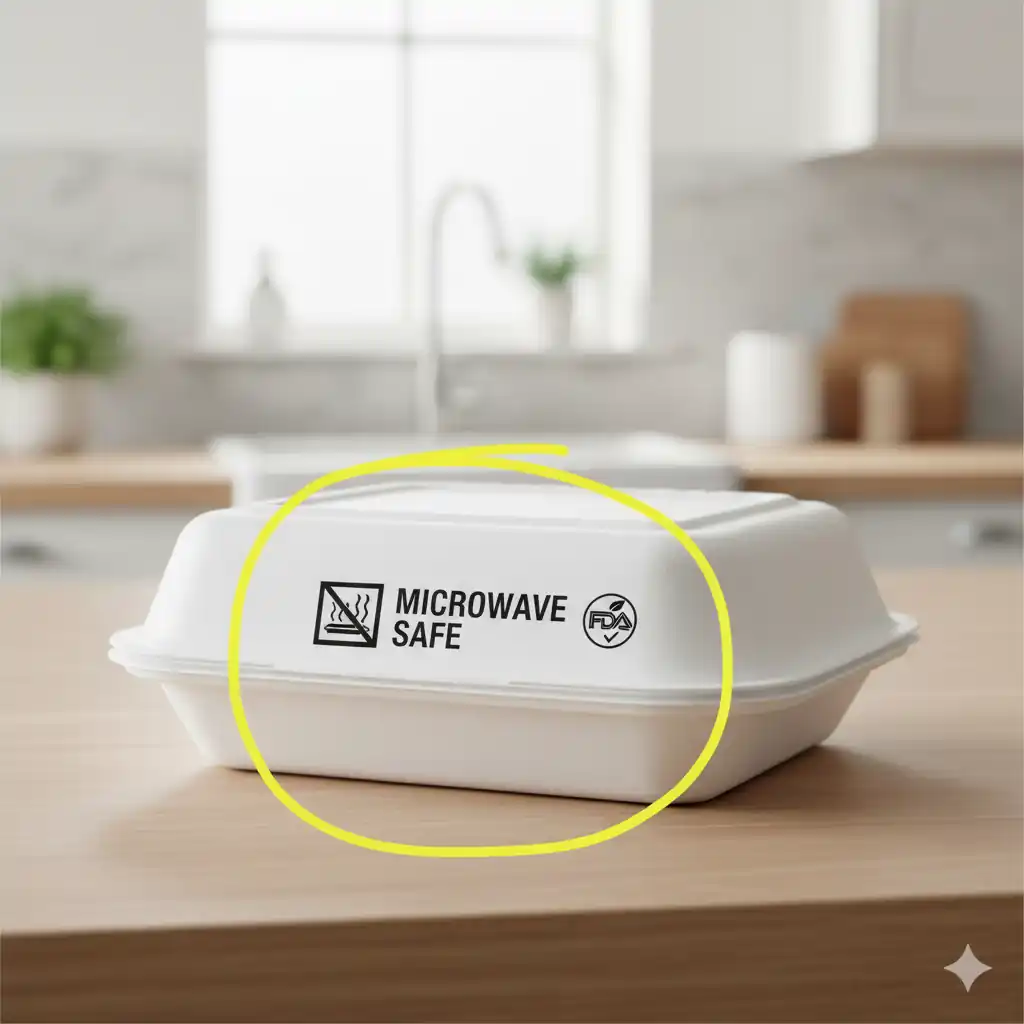
If you’re unsure whether your foam container can be used in the microwave, look for these signs:
-
Label or symbol: Most containers will have the word microwave-safe or a symbol with wavy lines.
-
FDA compliance: Products made for food contact often comply with FDA standards, but they must be explicitly labeled for microwave use.
-
Manufacturer guidelines: If your foam container comes from a restaurant or brand, you may be able to find usage instructions online or on the packaging.
If there’s no label or symbol, it’s safer to assume it is not microwave-safe.
Alternatives to Microwaving Styrofoam
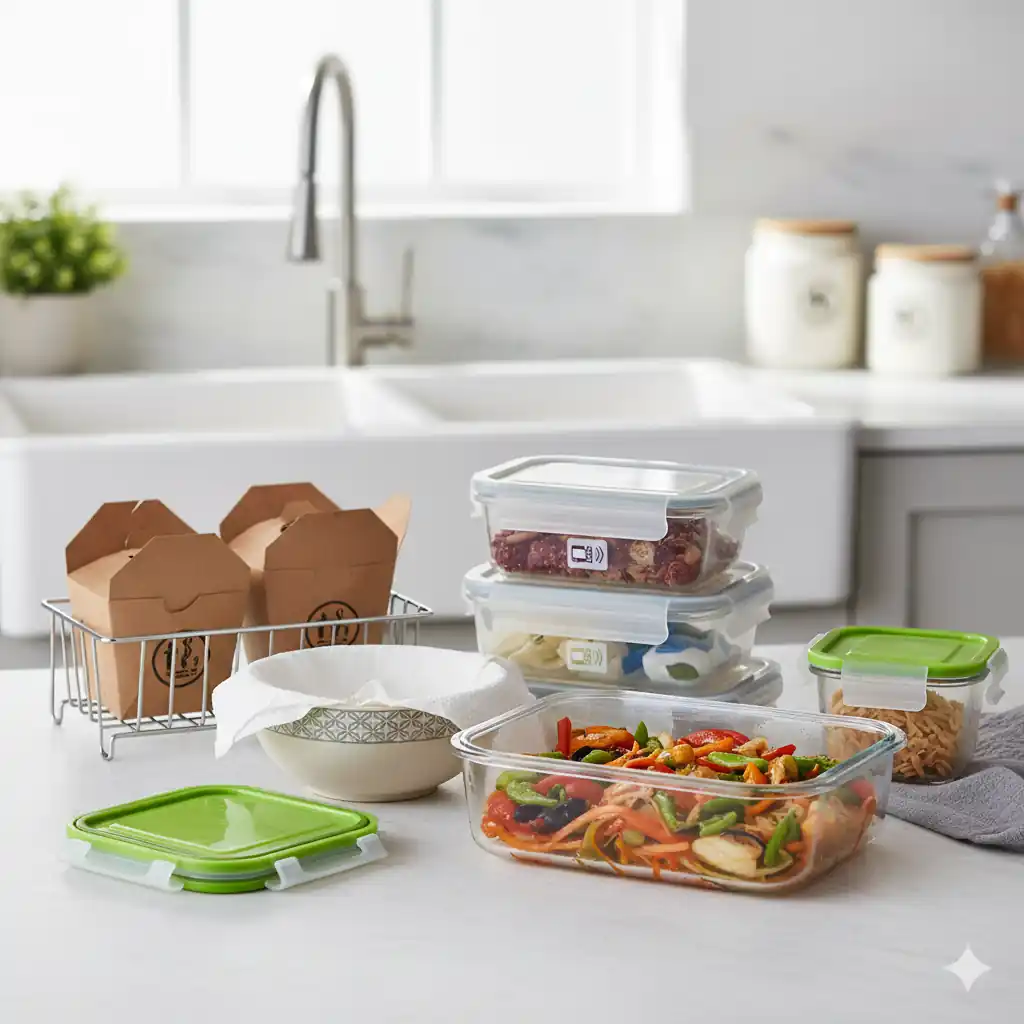
To reheat food safely, consider transferring it from the foam container into a microwave-safe container. Options include:
-
Glass or ceramic containers: Non-reactive and sturdy, these are best for heating food evenly.
-
Microwave-safe plastic containers: Some plastics are labeled safe, though you should avoid reusing old containers unless confirmed safe.
-
Microwave-safe dishes with lids: These help retain moisture and heat food efficiently.
Examples of When You Should Not Microwave Styrofoam
-
Takeout containers with no label: Most takeout foam containers are not meant for reheating.
-
Styrofoam cups: Used for coffee or instant noodles, these should never go in the microwave unless labeled microwave-safe.
-
Old or reused foam products: Once used, foam containers can develop cracks or weaken, making them riskier to heat.
The Science: What Happens When You Microwave EPS?
Melting Point of EPS
EPS foam has a melting point of around 240°F (115°C), which is relatively low. Microwaves can quickly raise the internal temperature of moist or oily foods beyond that threshold, especially if the food is not stirred or rotated. This leads to:
-
Softening or melting
-
Release of toxins like styrene
-
Loss of container integrity
Boiling Point and Steam Pressure
Microwaved food generates steam, which can get trapped in non-ventilated foam containers. This causes pressure to build up, risking container rupture or hot food splattering inside the microwave.
What Do Experts Say?
The FDA, National Institutes of Health (NIH), and organizations like the Food Network advise using caution. When in doubt, it’s always better to transfer your food to a safer alternative than to risk contamination.
While occasional use may not immediately harm you, repeated exposure to heated polystyrene could increase the risk of chemical ingestion.
Why Do Restaurants Still Use Styrofoam?
Despite the risks, many restaurants still use foam containers because they are:
-
Inexpensive
-
Lightweight
-
Good insulators for both hot and cold food
However, increasing awareness and local regulations have led many cities and restaurants to switch to more sustainable and microwave-safe alternatives like recyclable plastics, paper-based boxes, or compostable containers.
Key Takeaways
-
Microwaving styrofoam that is not labeled microwave-safe is not recommended.
-
Heating such containers can release harmful chemicals and damage the container.
-
Always look for microwave-safe labels before using foam containers in a microwave oven.
-
When in doubt, transfer your food to a glass or ceramic container.
Real-World Scenarios
| Scenario | Is It Safe to Microwave? | What to Do Instead |
|---|---|---|
| Leftover takeout in foam box | No (unless labeled) | Transfer food to microwave-safe container |
| Coffee in a styrofoam cup | No | Use a ceramic mug |
| Reheating ramen in foam cup | No | Transfer to glass or ceramic bowl |
| Food in plastic container with wavy lines | Yes | Microwave as instructed |
| Foam container with no symbol | Unsafe | Transfer food before reheating |
Can You Microwave Styrofoam? Know What’s Safe and What’s Not
FAQ: Can You Microwave Styrofoam?
Is any styrofoam microwave-safe?
Yes, but only if it is explicitly labeled as microwave-safe. These products have been tested to ensure they can withstand microwave heat without melting or releasing chemicals.
What happens if you accidentally microwave a styrofoam container?
If it’s not microwave-safe, the container may melt, deform, or release styrene into the food. If this happens, it’s best to discard the food and clean the microwave thoroughly.
Can you reheat takeout in its original container?
Only if the container is labeled microwave-safe. Most foam takeout containers are not safe to microwave. It’s safest to transfer your food before heating.
What’s the best way to heat food from a foam container?
Move the contents into a glass or ceramic dish with a microwave-safe cover or paper towel on top to prevent splatter. Heat in intervals and stir if needed.
Are there safer alternatives to styrofoam containers?
Yes. Many manufacturers now offer microwave-safe plastic, paperboard, biodegradable, or glass containers that are safe for use in microwaves.
How can I tell if a container is microwave-safe?
Look for:
-
The word “Microwave-safe”
-
A symbol of wavy lines
-
Guidance from the manufacturer
-
Absence of damage (cracks or warping)
If none of these are present, do not microwave the container.
Is it harmful to eat food that was microwaved in non-safe styrofoam?
Possibly. The food may have absorbed styrene or other chemicals, which are not considered safe for ingestion. Discard the food if in doubt.
Why are some foam containers labeled microwave-safe?
These containers are made from modified polystyrene or other microwave-resistant materials. They undergo FDA-approved testing to verify they don’t release dangerous substances when heated.
By making informed choices about how to reheat food and what containers to use, you can protect both your health and your microwave. Avoid the risk—when in doubt, always go for glass or ceramic.
Enjoyed this tip?
A weekly hit of kitchen know-how.
Tips, techniques and small upgrades — every Sunday.
Keep reading
More from Kitchen appliances
 →
→Best Stand Mixer for Bread Dough: Top Picks, Reviews & Buying Guide
Best Stand Mixer for Bread Dough: Ultimate Guide and Reviews Baking bread at home has never been easier, thanks to the versatility and power of modern stand mixers. Whether you’re a beginner baker or a professional looking for a reliable professional stand mixer for bread, choosing the right appliance can make all the difference in … Read more
· 8 min read
 →
→Stand Mixer for Cakes: What to Look For | Best Stand Mixer Buying Guide
Stand Mixer for Cakes: What to Look For Choosing the perfect stand mixer for cakes can be a daunting task, especially with so many models, features, and accessories available. Whether you are a beginner baker or a seasoned home chef, understanding what to look for in a stand mixer can save you time, effort, and … Read more
· 8 min read
 →
→Best Stand Mixer for Beginners: Top KitchenAid, Cuisinart & More Reviewed
Best Stand Mixer for Beginners: A Complete Buying Guide If you’re a home baker, cooking enthusiast, or professional chef, having a reliable stand mixer can transform your kitchen experience. From kneading dense bread doughs to whipping fluffy meringues, the right mixer makes baking easier, faster, and more enjoyable. This guide will cover everything you need … Read more
· 7 min read