Stand Mixer for Cakes: What to Look For | Best Stand Mixer Buying Guide
Stand Mixer for Cakes: What to Look For Choosing the perfect stand mixer for cakes can be a daunting task, especially with so many models, features, and accessories available. Whether you are a beginner baker or a seasoned home chef, understanding what to look for in a stand mixer can save you time, effort, and … Read more
By Menu Moments
Menu Moments editorial
Last updated
December 23, 2025
Reading time
8 min
 Buying guide
12
Picks
covered
9 months
Updated
ago
8
Reading
min read
Disclosure: Menu Moments earns a commission on qualifying purchases through some of the links below. Our picks are chosen by the editorial team — never by advertisers. Read the full policy →
Stand Mixer for Cakes: What to Look For
Choosing the perfect stand mixer for cakes can be a daunting task, especially with so many models, features, and accessories available. Whether you are a beginner baker or a seasoned home chef, understanding what to look for in a stand mixer can save you time, effort, and money. This guide will cover all the essential aspects—from tilt‑head vs bowl‑lift stand mixers, to motor power, bowl capacity, attachments, and more—so you can confidently select the best stand mixer for baking your favorite cakes and desserts.
For an in-depth look at choosing the right mixer, check our Stand Mixer Buying Guide.
Why a Stand Mixer is Essential for Cake Baking
Advantages Over Hand Mixers
A stand mixer for cakes offers several benefits over manual or hand mixers:
-
Hands-free operation, letting you multitask in the kitchen
-
Consistent and even mixing thanks to planetary mixing action
-
Ability to handle large batches and thick cake batters
-
Compatibility with a variety of attachments for versatile baking
Compared to a hand mixer, a stand mixer ensures smoother cake batters and better incorporation of ingredients. For more on this, see our comparison Stand Mixer vs Hand Mixer.
Who Should Invest in a Stand Mixer?
-
Occasional bakers wanting a more effortless mixing process
-
Home bakers preparing medium to large batches
-
Professional or small-scale bakers needing durable and reliable mixers
Types of Stand Mixers
Tilt-Head Stand Mixers
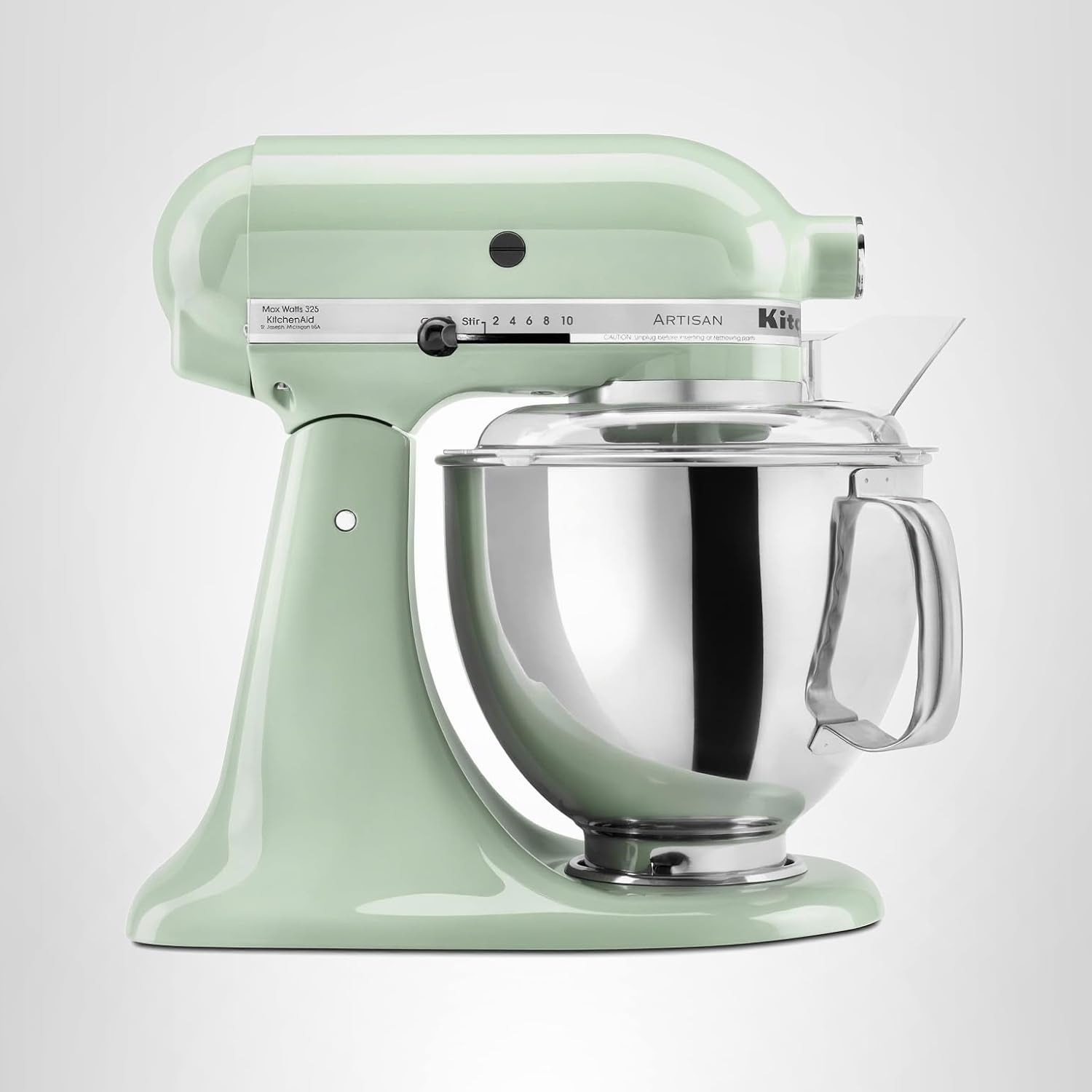
KitchenAid Artisan 5-Qt Tilt-Head Stand Mixer
Features:
Tilt-head stand mixers have a head that tilts back for easy bowl access. They are compact, lightweight, and ideal for home bakers with limited counter space. The classic KitchenAid Artisan 5-Qt Tilt-Head Stand Mixer is a great example, perfect for standard cake batters and small batches.
Pros:
-
Compact and easy to store
-
Lightweight and portable
-
Ideal for small to medium batches
Cons:
-
Less stable with very heavy doughs or large cake batters
-
Typically lower motor power compared to bowl-lift models
Read more in our What is a Stand Mixer? Advantages & Disadvantages guide.
Bowl-Lift Stand Mixers
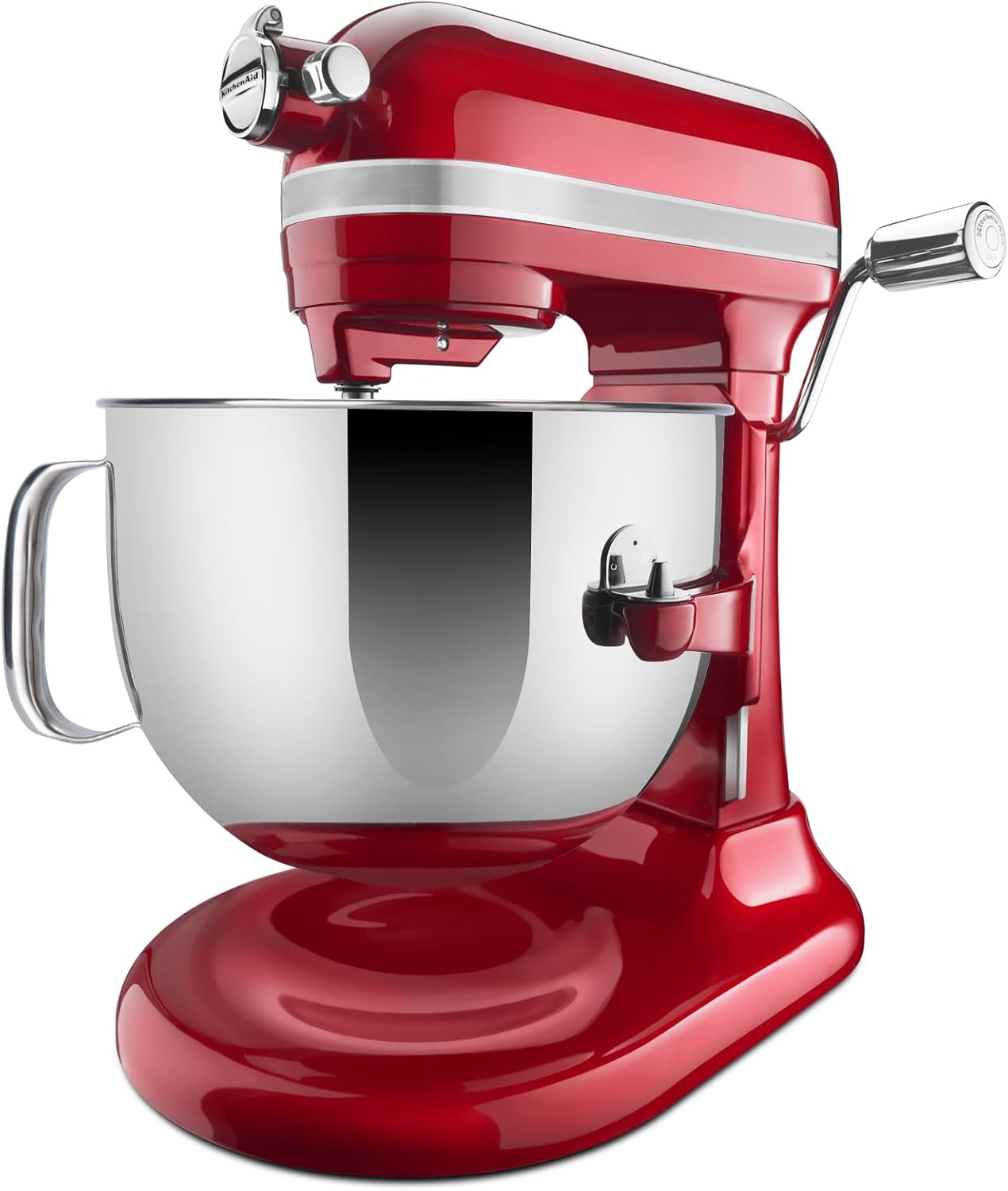
KitchenAid 6-Qt Bowl-Lift Stand Mixer
Features:
Bowl-lift stand mixers use a lever to raise the mixing bowl into place. These mixers are usually heavier and more stable, suitable for thick cake batters, bread dough, and large batches. The KitchenAid 6-Qt Bowl-Lift Stand Mixer is a popular choice for home bakers who bake frequently or in larger volumes.
Pros:
-
Stable during heavy mixing
-
Suitable for large batches and thick doughs
-
Typically higher motor wattage
Cons:
-
Larger footprint
-
Heavier, less portable
-
Higher price point
Key Features to Look For in a Stand Mixer for Cakes
Mixer Bowl Capacity
Choosing the right mixer bowl capacity is crucial. The bowl size for cakes determines how much batter you can mix efficiently:
-
4.5–6 quarts (~4–6 liters): Standard cakes and medium batches
-
6–7 quarts: Large cakes, party batches, or multiple layers
Remember, batch size and bowl volume should match your typical number of servings. For home baking, 5-quart bowls often suffice, while larger bowls are better for frequent bakers or small-scale businesses.
Motor Power (Watts)
The motor power of a stand mixer affects its ability to mix thick batters and doughs:
-
300–500 W: Adequate for standard cake mixing
-
500–700 W: Suitable for heavy batters or bread dough
-
Above 700 W: Professional-grade mixing
Higher motor wattage ensures smooth mixing without overheating, especially when tackling dense cake batters or large batches.
Speed Settings
Speed settings allow precise control over mixing intensity:
-
5–10 speeds: Sufficient for most cake recipes
-
Low speeds: Gentle mixing of delicate ingredients
-
High speeds: Whipping cream, egg whites, or light batters
Look for mixers with variable speed control to achieve consistent cake textures.
Mixing Action: Planetary vs Standard
Planetary mixing action is a hallmark of quality stand mixers. Unlike simple stirring, the planetary motion rotates the beater around the bowl while spinning itself, ensuring even incorporation of ingredients and avoiding lumps.
Benefits for cake baking:
-
Smooth, lump-free batter
-
Consistent texture for layered cakes
-
Efficient mixing even in large batches
Attachments and Accessories
Most mixers include basic attachments:
-
Flat beater: Ideal for cake batters and cookie dough
-
Whisk: For whipping cream, egg whites, and frosting
-
Dough hook: For heavier doughs and bread
Optional accessories and compatibility expand versatility:
-
Pasta maker
-
Meat grinder
-
Pastry tools
Choosing a mixer with a robust attachment hub ensures you can grow your baking skills without needing another machine.
Build Quality and Construction Material
Quality construction impacts durability and stability:
-
Die-cast metal housing: Provides durability and reduces vibration
-
Stainless steel bowl: Easy to clean, resists stains and odors
-
Heavier mixer weight improves stability for thick cake batters
High-quality mixers often last for decades and handle frequent use without wear.
Noise Level
While most stand mixers produce some noise, sturdier models with heavy-duty motors and insulated bodies tend to operate quieter. Consider mixer noise if you bake early mornings or in shared spaces.
Stability During Mixing
Stability is critical for dense cake batters and heavy doughs. Stand mixers with solid construction and proper weight remain stationary during high-speed mixing, reducing the risk of spills or machine tipping.
Ease of Use and Cleaning
Ease of use includes:
-
Simple assembly and disassembly of the bowl and attachments
-
Detachable, dishwasher-safe bowls and accessories
-
Splash guards and pouring shields to minimize mess
Ease of cleaning ensures that baking remains enjoyable rather than a chore.
Storage Considerations
Storage is essential, especially for home bakers with limited kitchen space:
-
Tilt-head mixers: Compact, can fit under cabinets
-
Bowl-lift mixers: Larger footprint, typically left on the countertop
-
Mini/compact stand mixers: Ideal for small kitchens or occasional use
Durability and Longevity
High-quality stand mixers for cakes are built to last:
-
Premium models like KitchenAid Artisan or Breville Bakery Chef can last decades
-
Entry-level mixers may wear out faster but are budget-friendly
-
Durability depends on construction material, motor quality, and attachment versatility
Comparing Popular Stand Mixers for Cakes
KitchenAid Artisan 5-Qt Tilt-Head
Features:
A 5-quart bowl paired with a 325W motor makes this stand mixer perfect for everyday home baking. It comes with essential attachments—including a flat beater, whisk, and dough hook—and its compact design makes it easy to store in any kitchen.
-
Bowl capacity: 5 quarts
-
Motor power: 325 W
-
Attachments: Flat beater, whisk, dough hook
-
Compact, ideal for home bakers, easy to store
KitchenAid 6-Qt Bowl-Lift
Features:
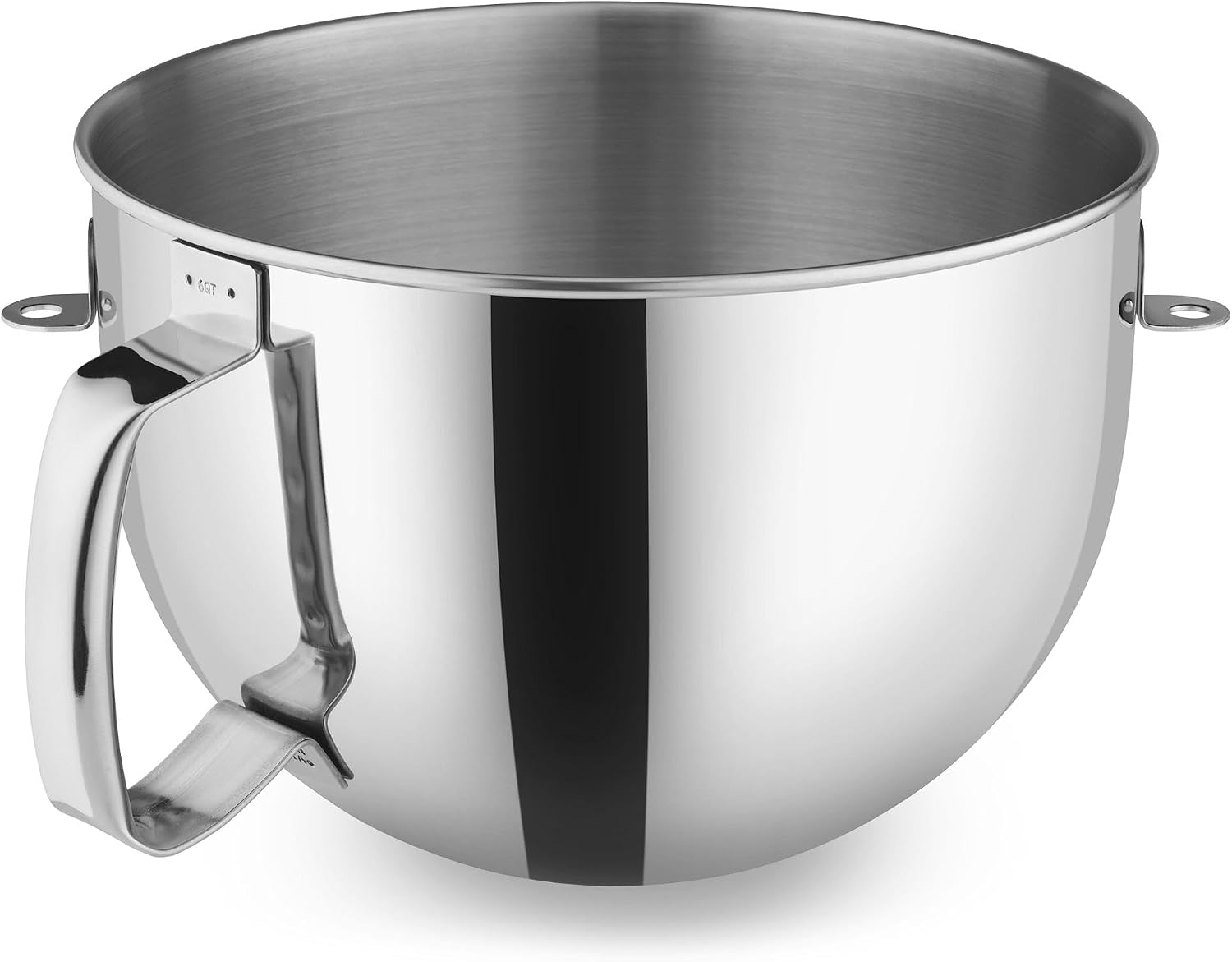
With a large 6-quart bowl and a powerful 500W motor, this mixer is built for heavy-duty performance. It includes a flat beater, whisk, and dough hook, with optional pasta and meat attachments for added versatility. Its stable design makes it ideal for large cake batches and frequent baking.
-
Bowl capacity: 6 quarts
-
Motor power: 500 W
-
Attachments: Flat beater, whisk, dough hook, optional pasta and meat attachments
-
Stable, heavy-duty, suitable for large cake batches and frequent baking
Cuisinart SM-50 5.5-Qt
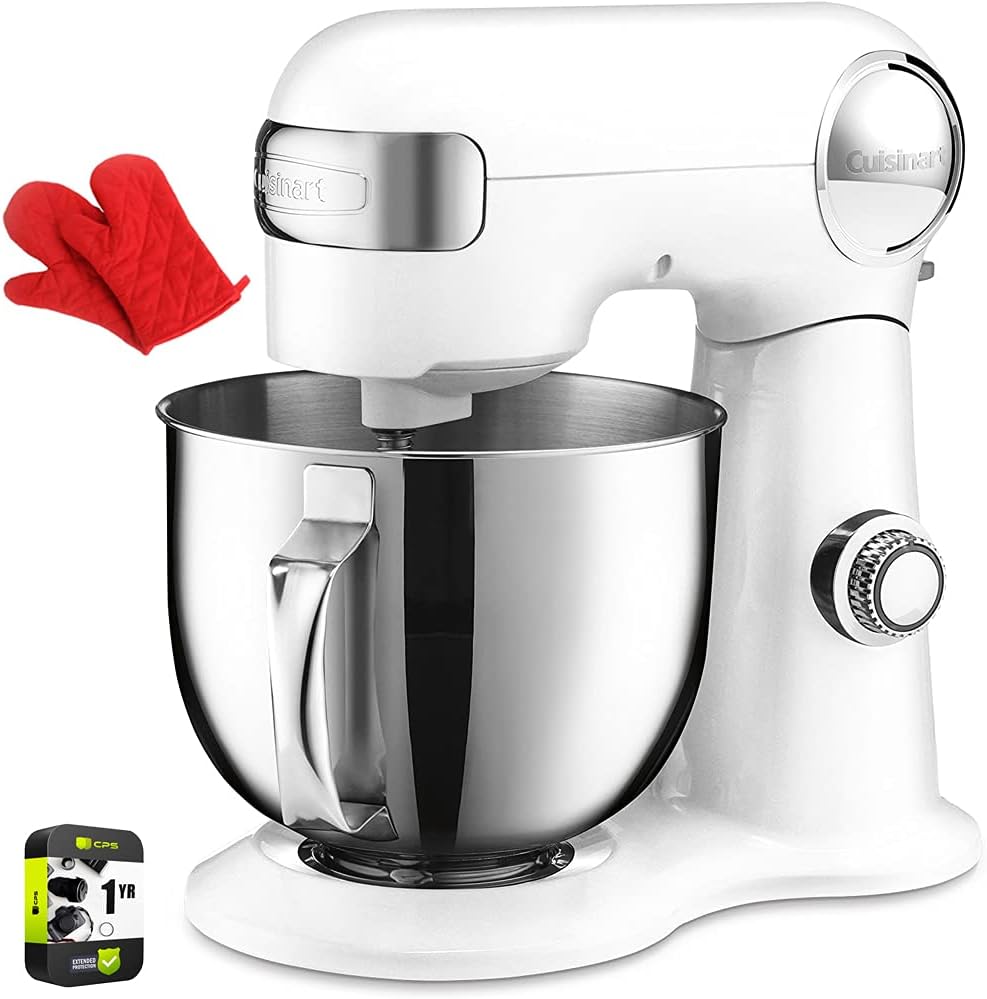
Features:
Featuring a 5.5-quart bowl and a strong 500W motor, this mixer delivers an excellent balance of price and performance. It’s a reliable choice for home bakers who want smooth mixing for cakes, breads, and everyday recipes.
Select 63 more words to run Humanizer.
For a detailed review of top options, visit Best Stand Mixer for Beginners.
Choosing the Right Stand Mixer for Your Needs
Occasional Home Baker
-
4.5–5 qt tilt-head mixer
-
300–400 W motor
-
Basic attachments (flat beater, whisk)
-
Compact size for easy storage
Frequent Baker / Home Entertainer
-
5–6 qt bowl-lift or tilt-head
-
400–600 W motor
-
Variety of attachments for cakes, breads, and desserts
-
Stable, durable, suitable for medium to large batches
Small-Scale Bakery or Professional
-
6–7 qt bowl-lift mixer
-
600+ W motor
-
Heavy-duty build
-
Multiple accessories and attachment compatibility for versatile baking
Additional Considerations
Tilt-Head vs Bowl-Lift: Which Is Best for Cake Baking?
-
Tilt-head: Best for small kitchens, standard cakes, occasional baking
-
Bowl-lift: Best for stability, large batches, heavy doughs, professional baking
Compact Stand Mixer for Home Use
Compact mixers are ideal if space is limited but still allow basic cake mixing tasks. Ensure motor power and bowl size meet your batch requirements.
Heavy-Duty Stand Mixer for Cakes
Heavy-duty mixers excel in stability and longevity. They can mix dense batters, multiple layers, and larger cakes without overheating.
Versatility for Other Baking Needs
Future-proof your investment with mixers compatible with optional attachments like pasta rollers, grinders, or additional whisks. This turns your stand mixer into a multi-purpose kitchen machine.
Maintenance and Care Tips
Cleaning and Upkeep
-
Wash bowls and accessories regularly
-
Avoid abrasive cleaners on metal housing
-
Use splash guards to reduce batter mess
Longevity Tips
-
Do not overload mixer beyond bowl capacity
-
Allow motor to cool after prolonged heavy use
-
Store attachments properly to prevent damage
Summary: What to Look for in a Stand Mixer for Cakes
Checklist Before Buying
-
Bowl Capacity: Match to batch size (4.5–6 quarts for cakes)
-
Motor Power: Ensure at least 300 W for thick batters
-
Speed Settings: Minimum 5 speeds for versatile mixing
-
Mixing Action: Planetary action ensures even batter
-
Attachments: Flat beater, whisk, dough hook; optional extras for versatility
-
Build Quality: Die-cast metal housing, stainless steel bowl
-
Noise Level: Consider quieter models for home use
-
Stability: Heavy, sturdy mixers for large batches
-
Ease of Use & Cleaning: Detachable parts, splash guards
-
Storage: Ensure mixer fits your kitchen space
-
Durability: Premium models last longer; consider frequency of use
For further guidance on selecting the perfect mixer, visit our detailed guides:
-
Stand Mixer Buying Guide: How to Choose the Best Stand Mixer for Baking & Cooking
-
What Is a Stand Mixer? Advantages & Disadvantages for Home & Professional Bakers
-
Stand Mixer vs Hand Mixer: Which One is Right for Your Baking Needs
-
Best Stand Mixer for Beginners: Top KitchenAid & Cuisinart Reviewed
Choosing the right stand mixer for cakes can make baking easier, more enjoyable, and help you achieve professional-quality results at home. By considering bowl size, motor power, speed settings, attachments, and durability, you can select a mixer that matches your baking style, kitchen space, and future ambitions.
Affiliate disclosure
Menu Moments is a participant in the Amazon Services LLC Associates Program and other affiliate programs. When you buy something through a link on this page, we may earn a small commission at no extra cost to you. Our editorial picks and opinions are independent — we buy, test and recommend only what we'd tell a friend. See our full disclosure policy for details.
Keep comparing
More Kitchen appliances
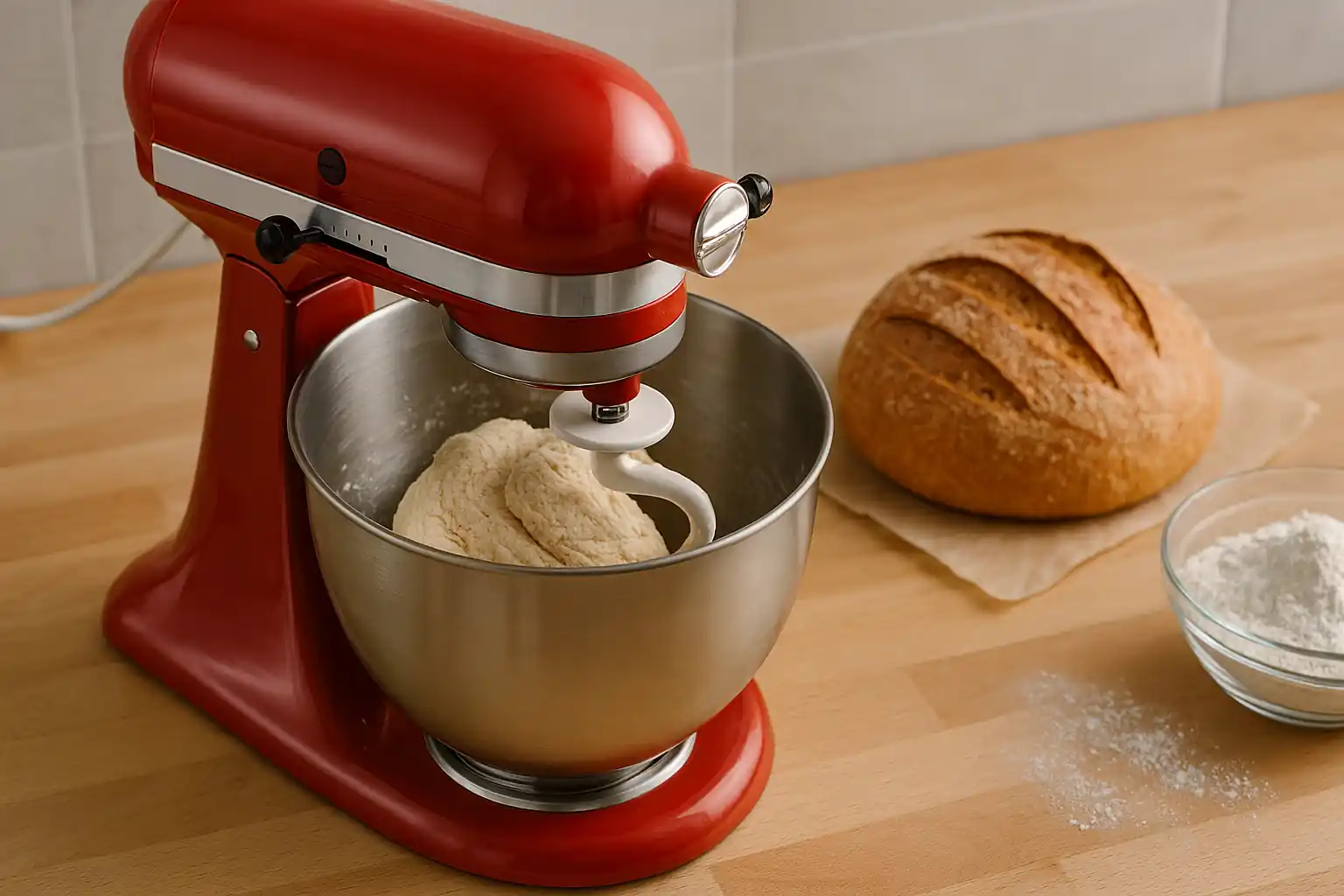 →
→Best Stand Mixer for Bread Dough: Top Picks, Reviews & Buying Guide
Best Stand Mixer for Bread Dough: Ultimate Guide and Reviews Baking bread at home has never been easier, thanks to the versatility and power of modern stand mixers. Whether you’re a beginner baker or a professional looking for a reliable professional stand mixer for bread, choosing the right appliance can make all the difference in … Read more
· 8 min read
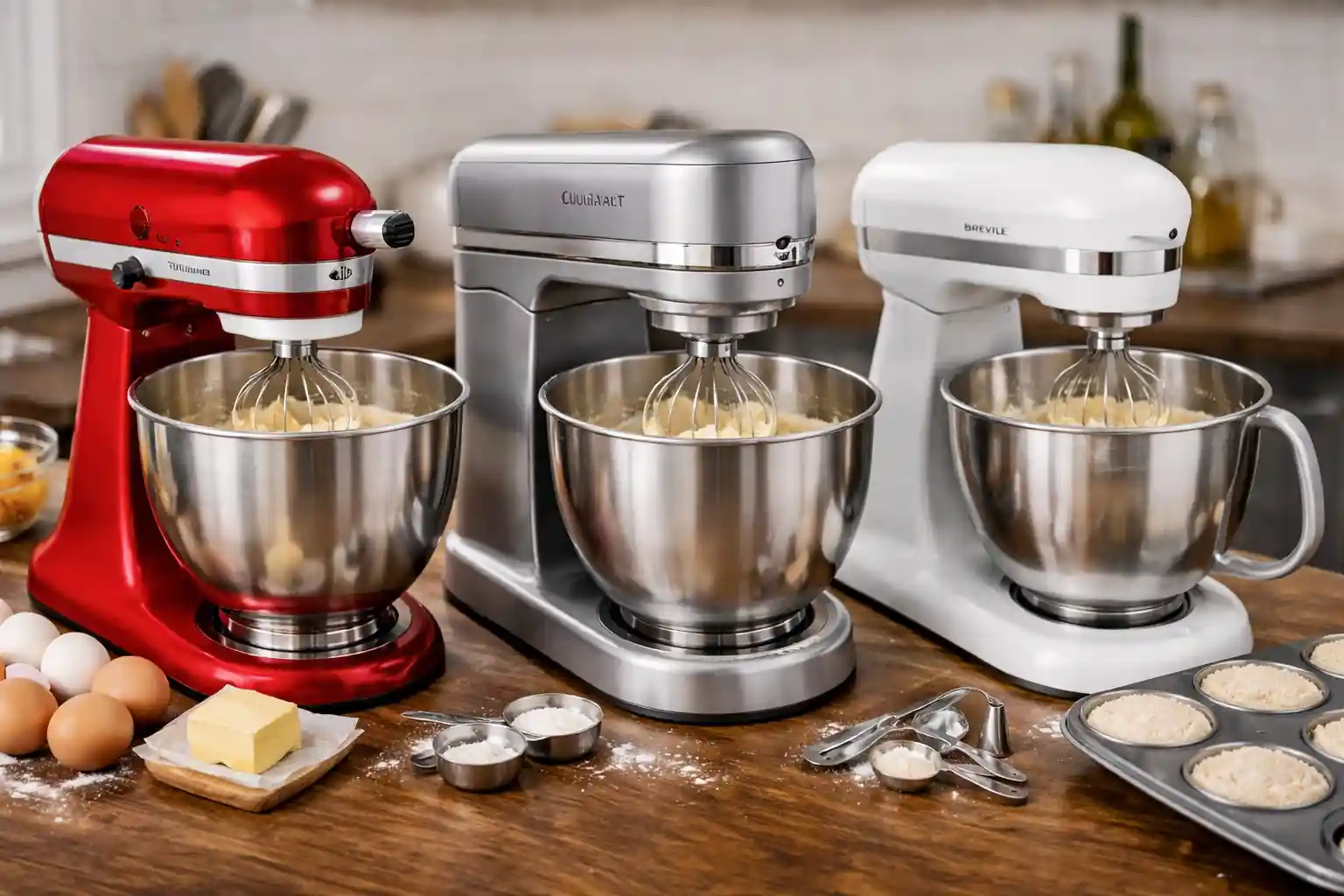 →
→Best Stand Mixer for Beginners: Top KitchenAid, Cuisinart & More Reviewed
Best Stand Mixer for Beginners: A Complete Buying Guide If you’re a home baker, cooking enthusiast, or professional chef, having a reliable stand mixer can transform your kitchen experience. From kneading dense bread doughs to whipping fluffy meringues, the right mixer makes baking easier, faster, and more enjoyable. This guide will cover everything you need … Read more
· 7 min read
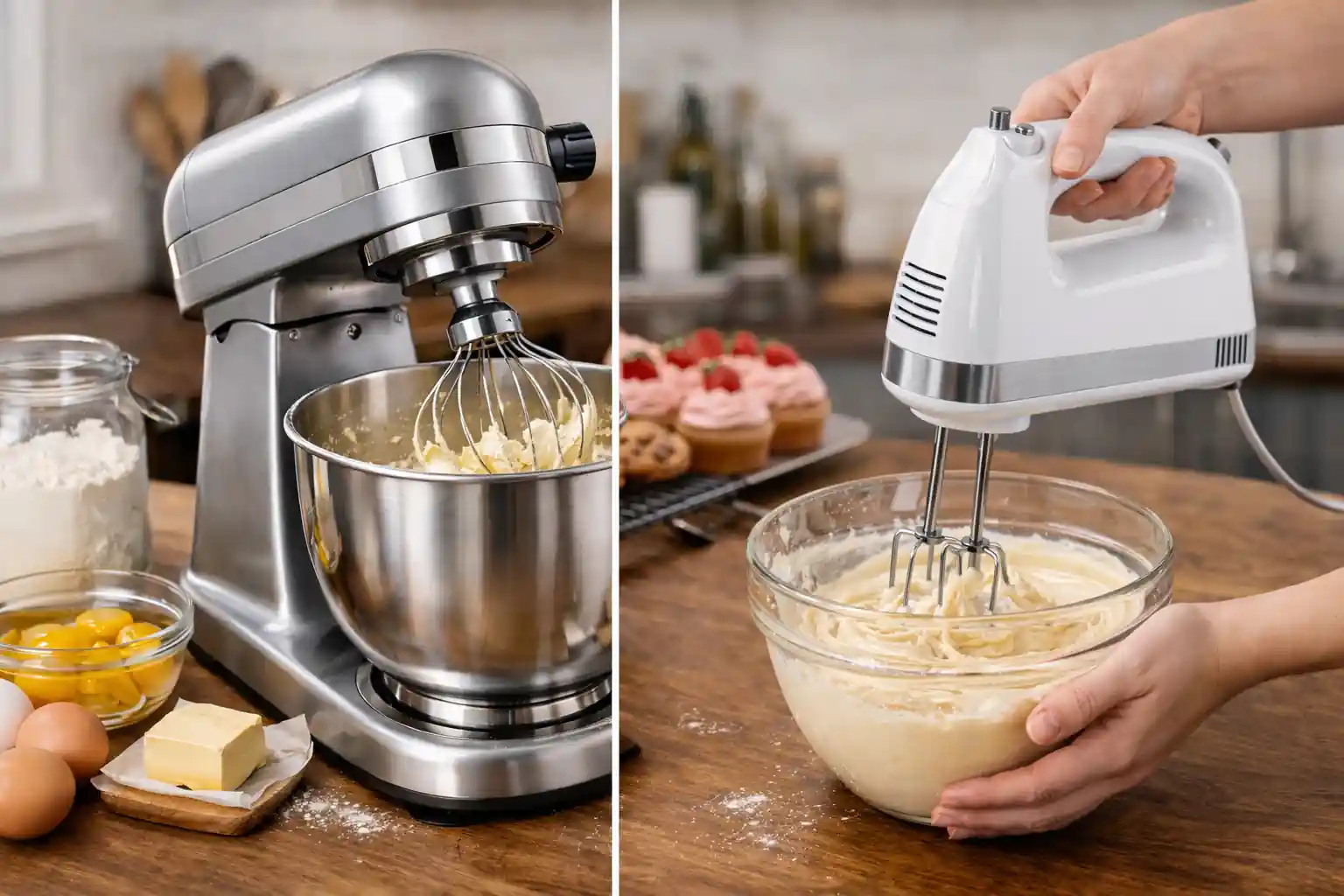 →
→Stand Mixer vs Hand Mixer: Which One Is Right for Your Baking Needs?
Stand Mixer vs Hand Mixer: Which One Do You Need? Baking and cooking have evolved over the years, and modern kitchens now feature a variety of appliances designed to make our culinary tasks easier, faster, and more precise. Among these, stand mixers and hand mixers are staples for both home bakers and professional chefs. Choosing … Read more
· 7 min read