Chicken Breast in a Cast Iron Skillet: A Complete Informational Guide
Cooking chicken breast in a cast iron skillet is one of the most reliable ways to achieve a crispy exterior and a juicy chicken breast at the same time. When done correctly, cast iron delivers unmatched browning, flavor development, and moisture retention especially for boneless chicken breast, skinless chicken breast, and even bone-in chicken breast. … Read more
By Menu Moments
Menu Moments editorial
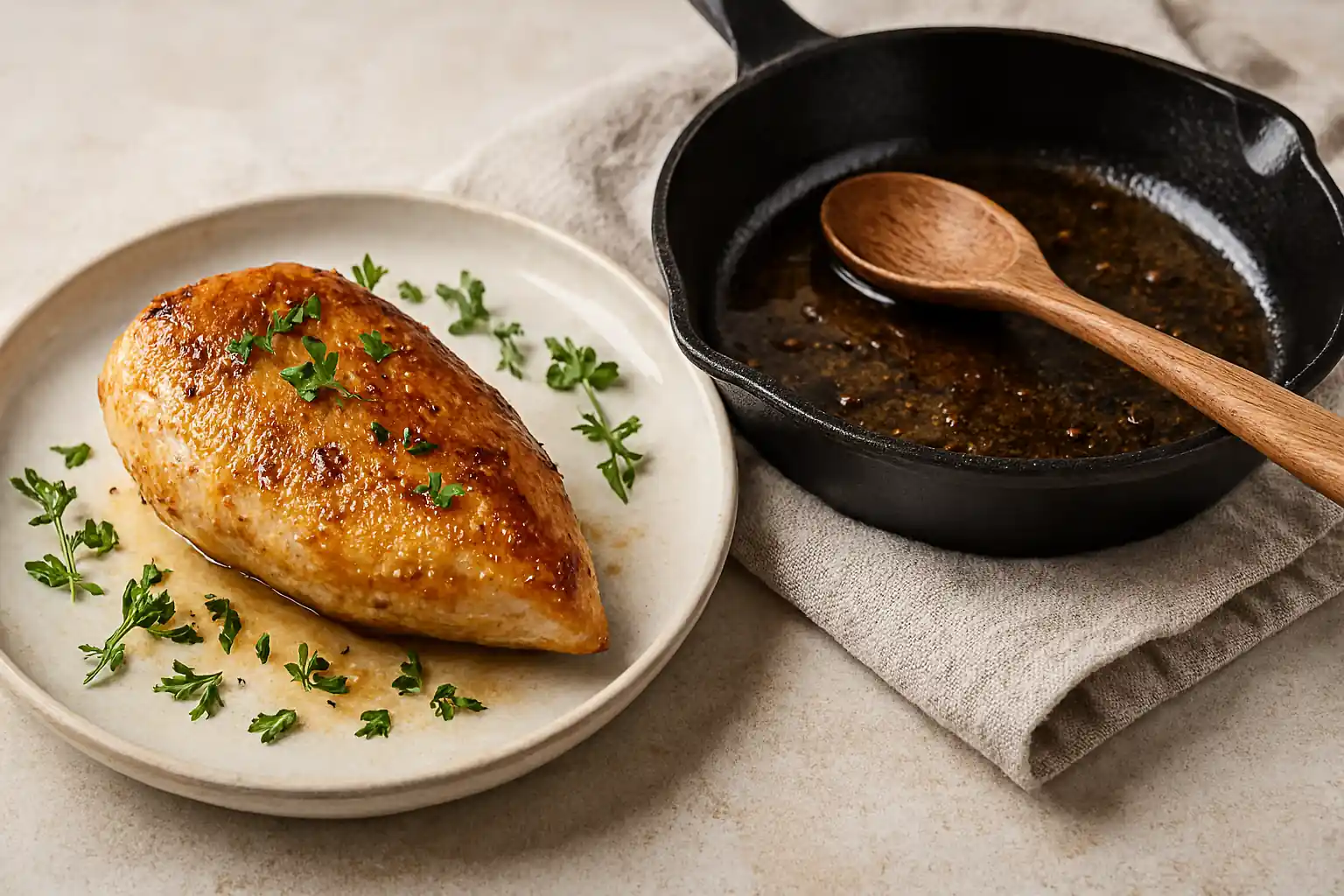
Cooking chicken breast in a cast iron skillet is one of the most reliable ways to achieve a crispy exterior and a juicy chicken breast at the same time. When done correctly, cast iron delivers unmatched browning, flavor development, and moisture retention especially for boneless chicken breast, skinless chicken breast, and even bone-in chicken breast.
This guide explains how to cook chicken breast in cast iron skillet using proven stovetop cooking techniques, optional oven finishing, and simple seasoning methods that work for both beginners and experienced home cooks.
Why Use a Cast Iron Skillet for Chicken Breast?
A cast iron skillet (also called a cast iron pan) is prized for even heat distribution and excellent heat retention. Unlike thinner pans, it maintains consistent temperature during high-heat cooking, which is essential for pan-seared chicken.
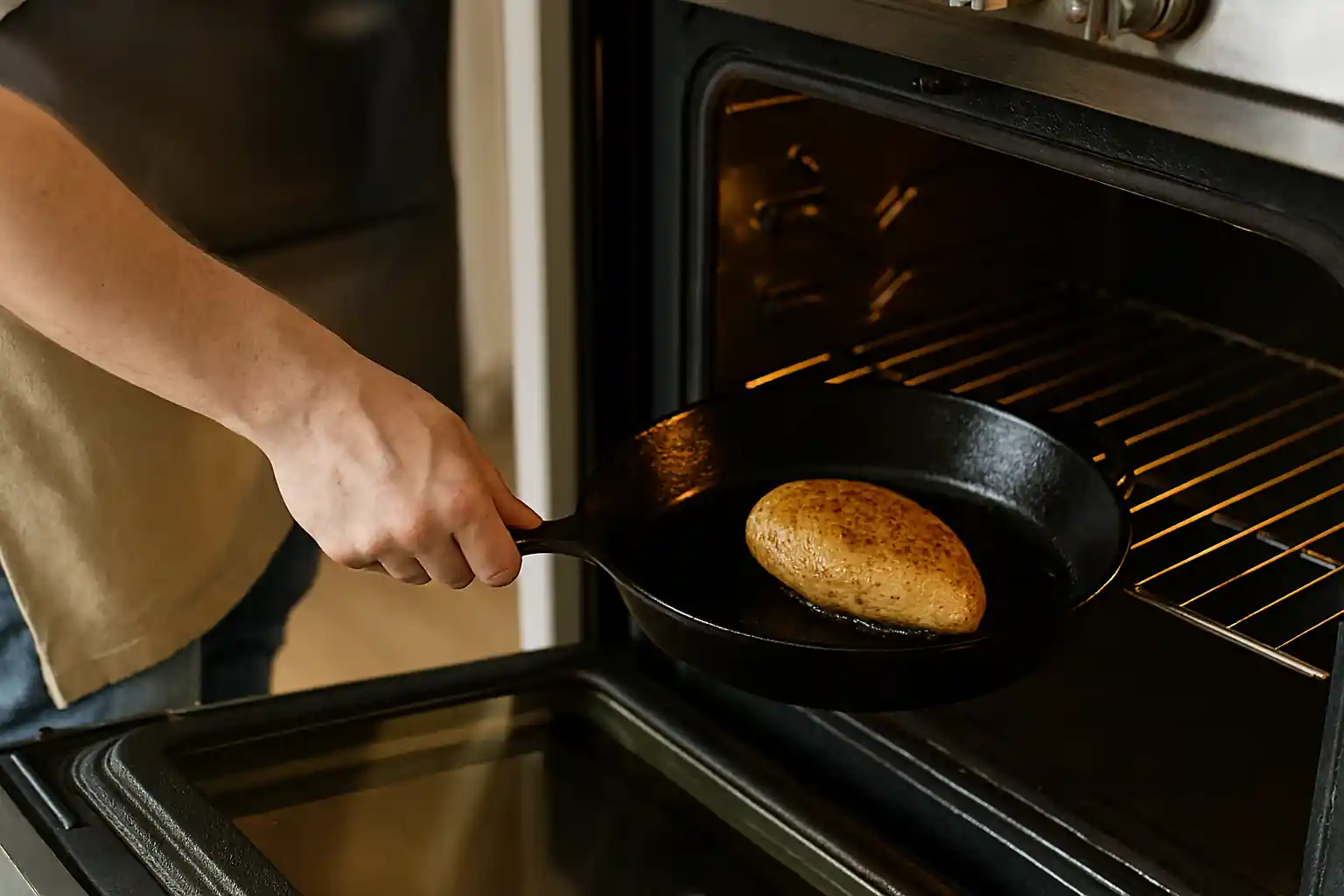
Benefits of Seasoned Cast Iron
A well-maintained, seasoned cast iron skillet develops a natural non-stick surface, helping with sticking issues and improving browning.
Oven-Safe Cookware Advantage
Because cast iron is oven-safe cookware, you can move seamlessly from stovetop to oven perfect for thicker chicken breasts that need oven finishing.
Types of Chicken Breast You Can Cook
Boneless Chicken Breast
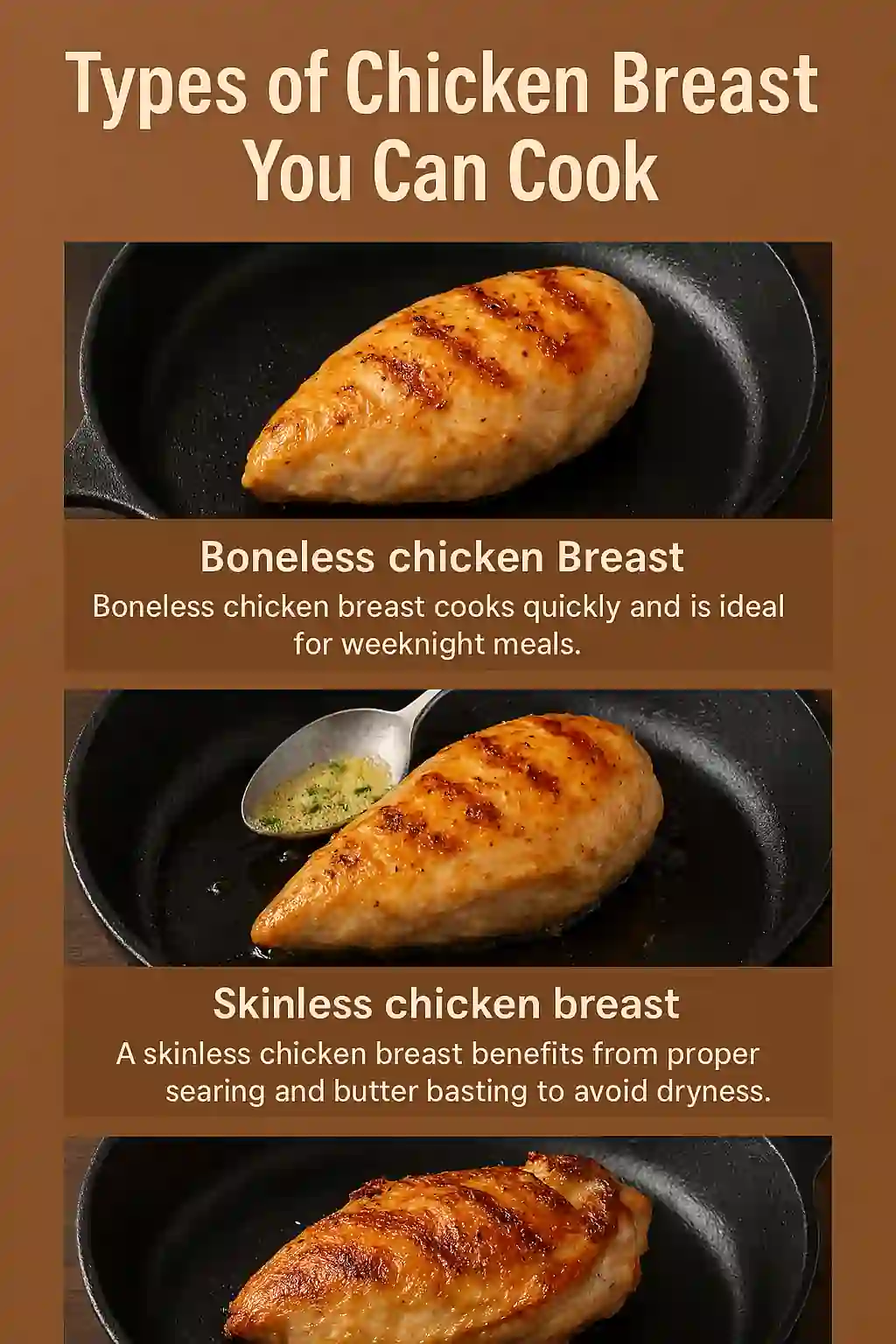
Boneless chicken breast cooks quickly and is ideal for weeknight meals.
Skinless Chicken Breast
A skinless chicken breast benefits from proper searing and butter basting to avoid dryness.
Bone-In Chicken Breast
Bone-in chicken breast takes longer but offers excellent moisture retention when cooked properly.
Preparing Chicken Breast for Cast Iron Cooking
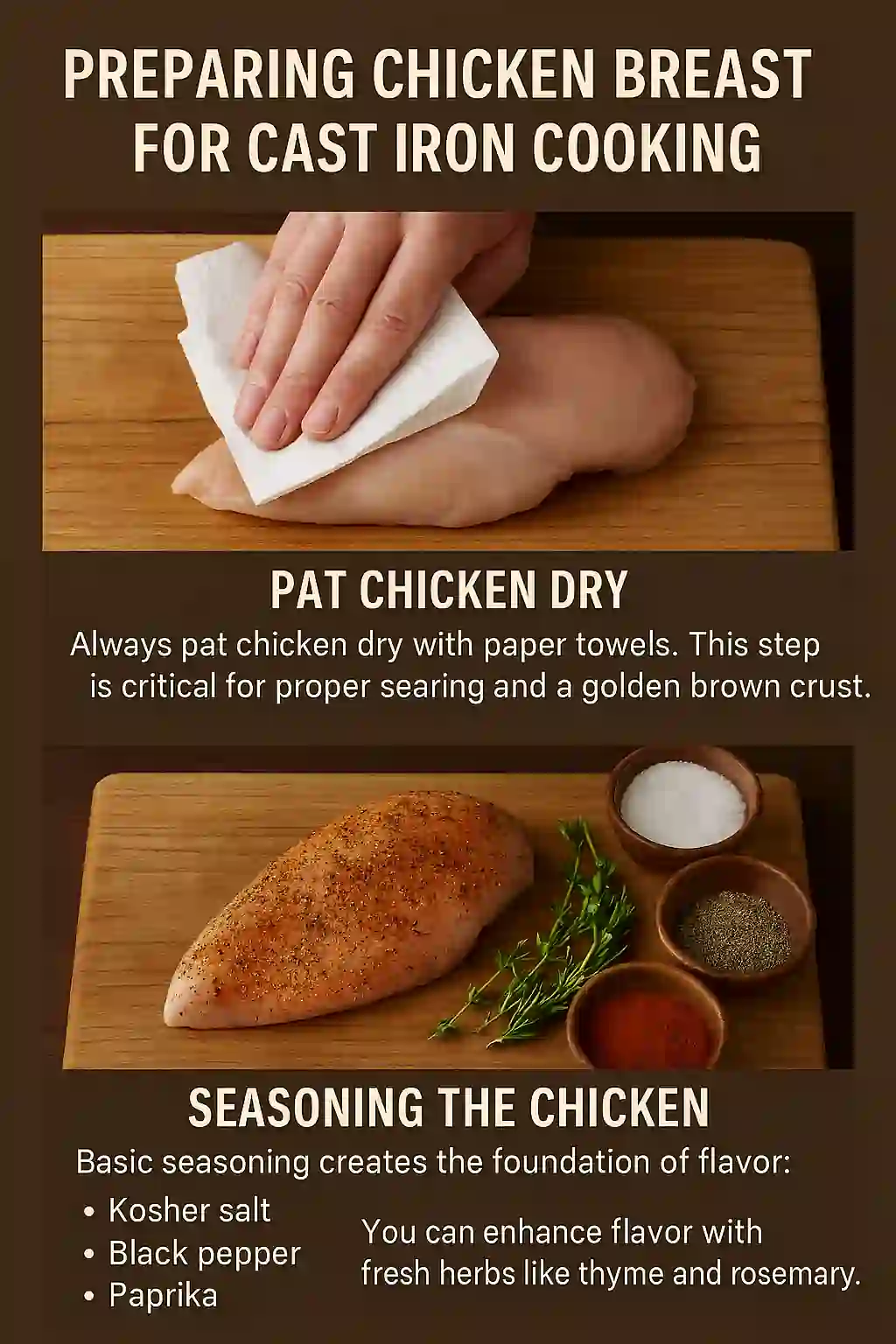
Pat Chicken Dry
Always pat chicken dry with paper towels. This step is critical for proper searing and a golden brown crust.
Seasoning the Chicken
Basic seasoning creates the foundation of flavor:
-
Kosher salt
-
Black pepper
-
Paprika
You can enhance flavor with fresh herbs like thyme and rosemary.
Best Oil for Cast Iron Chicken Breast
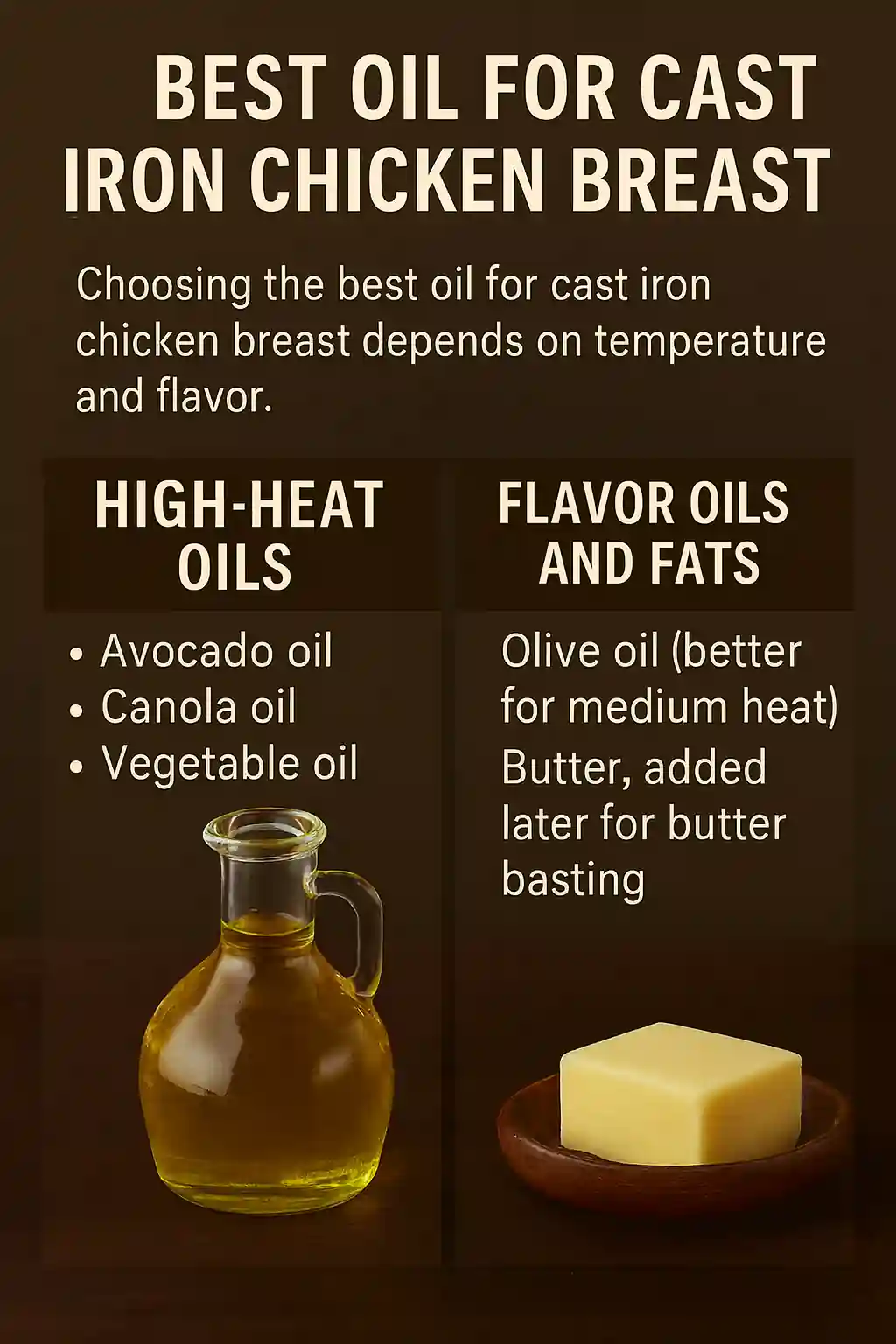
Choosing the best oil for cast iron chicken breast depends on temperature and flavor.
High-Heat Oils
-
Avocado oil
-
Canola oil
-
Vegetable oil
These tolerate higher oil temperature without burning.
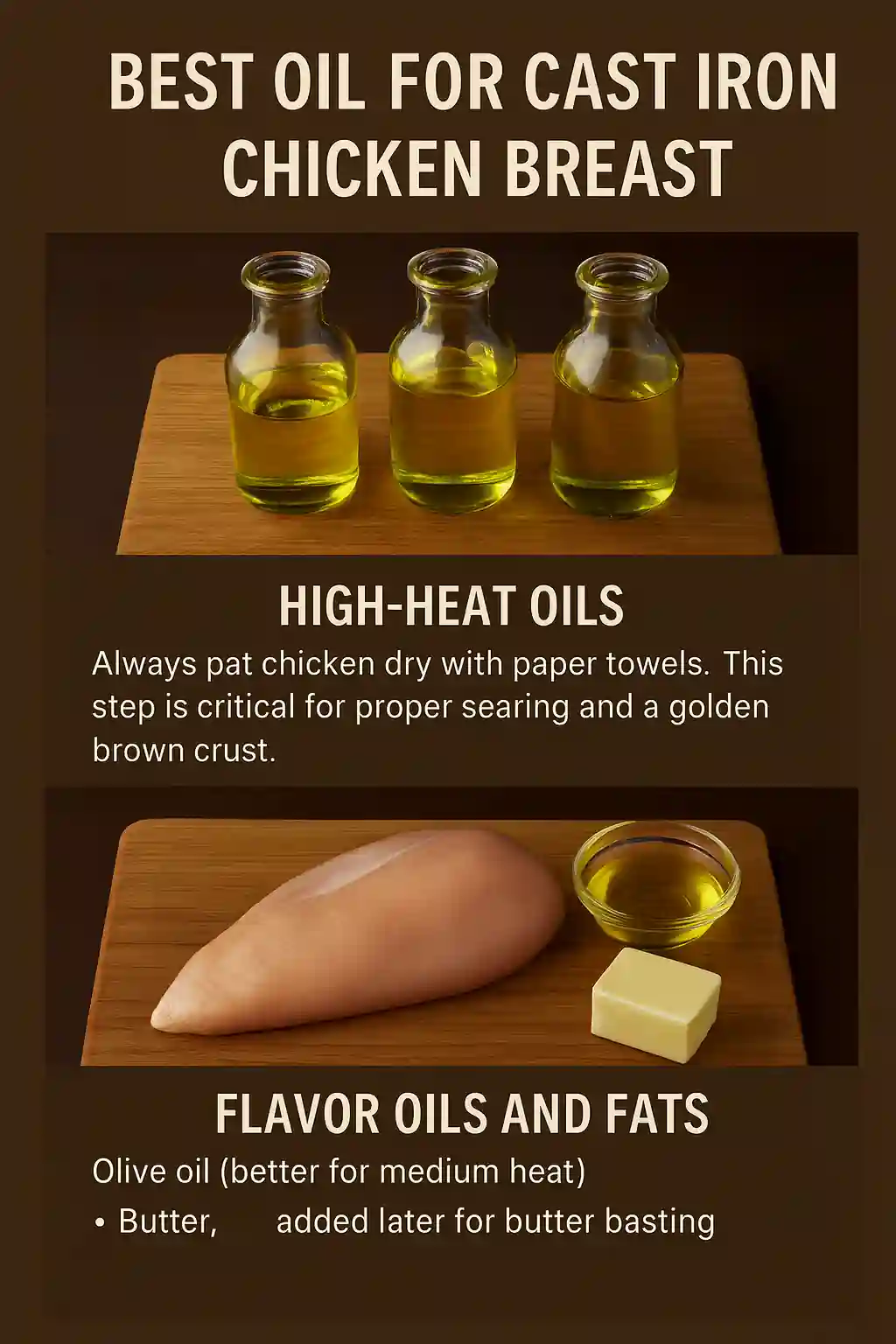
Flavor Oils and Fats
-
Olive oil (better for medium heat)
-
Butter, added later for butter basting
Preheating the Cast Iron Skillet
Preheat Cast Iron Skillet Properly
Place the skillet over medium-high heat and allow it to heat thoroughly.
Heat Oil Until Shimmering
Add cooking oil and heat oil until shimmering. This ensures proper contact and prevents sticking.
The Pan-Searing Process Explained
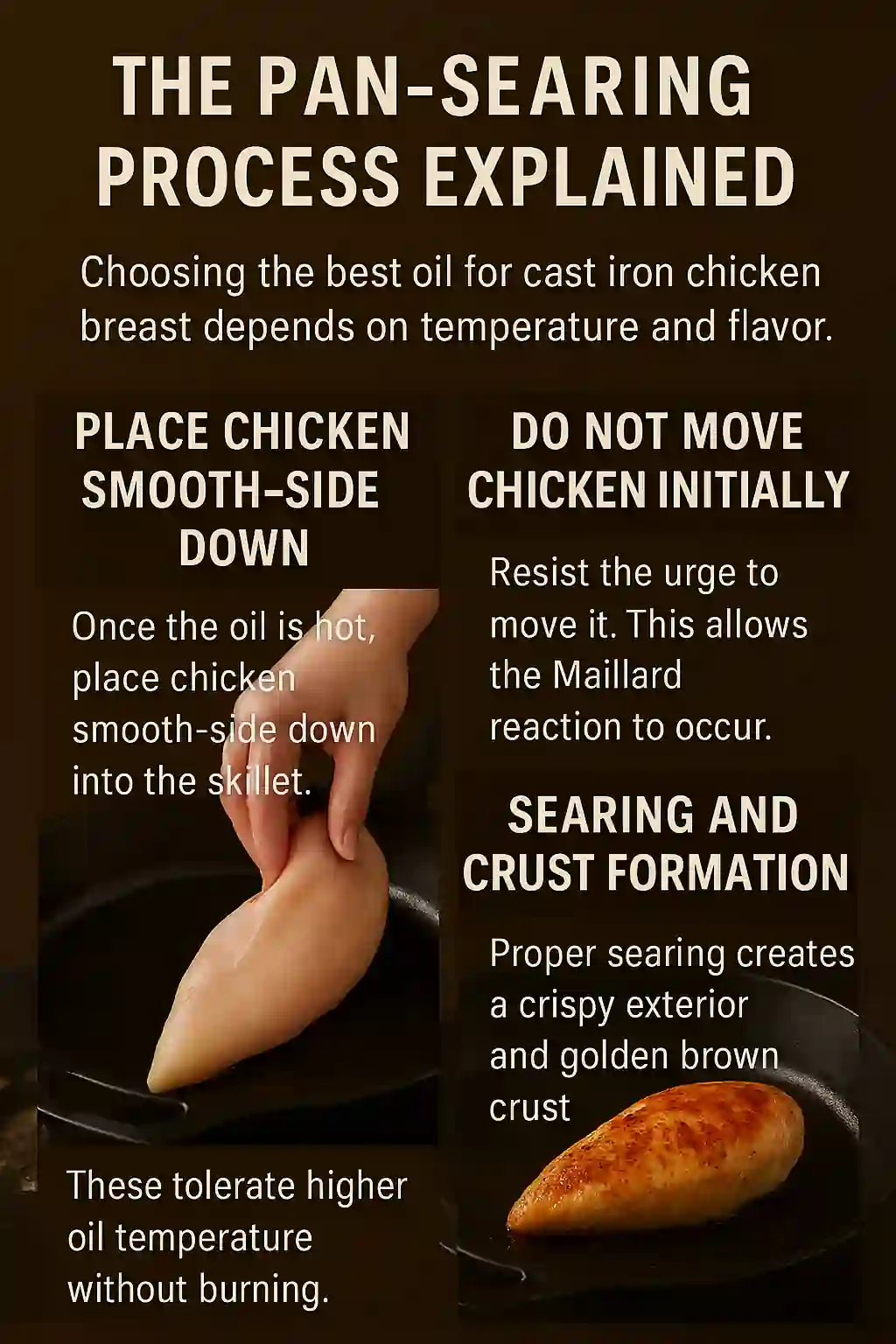
Place Chicken Smooth-Side Down
Once the oil is hot, place chicken smooth-side down into the skillet.
Do Not Move Chicken Initially
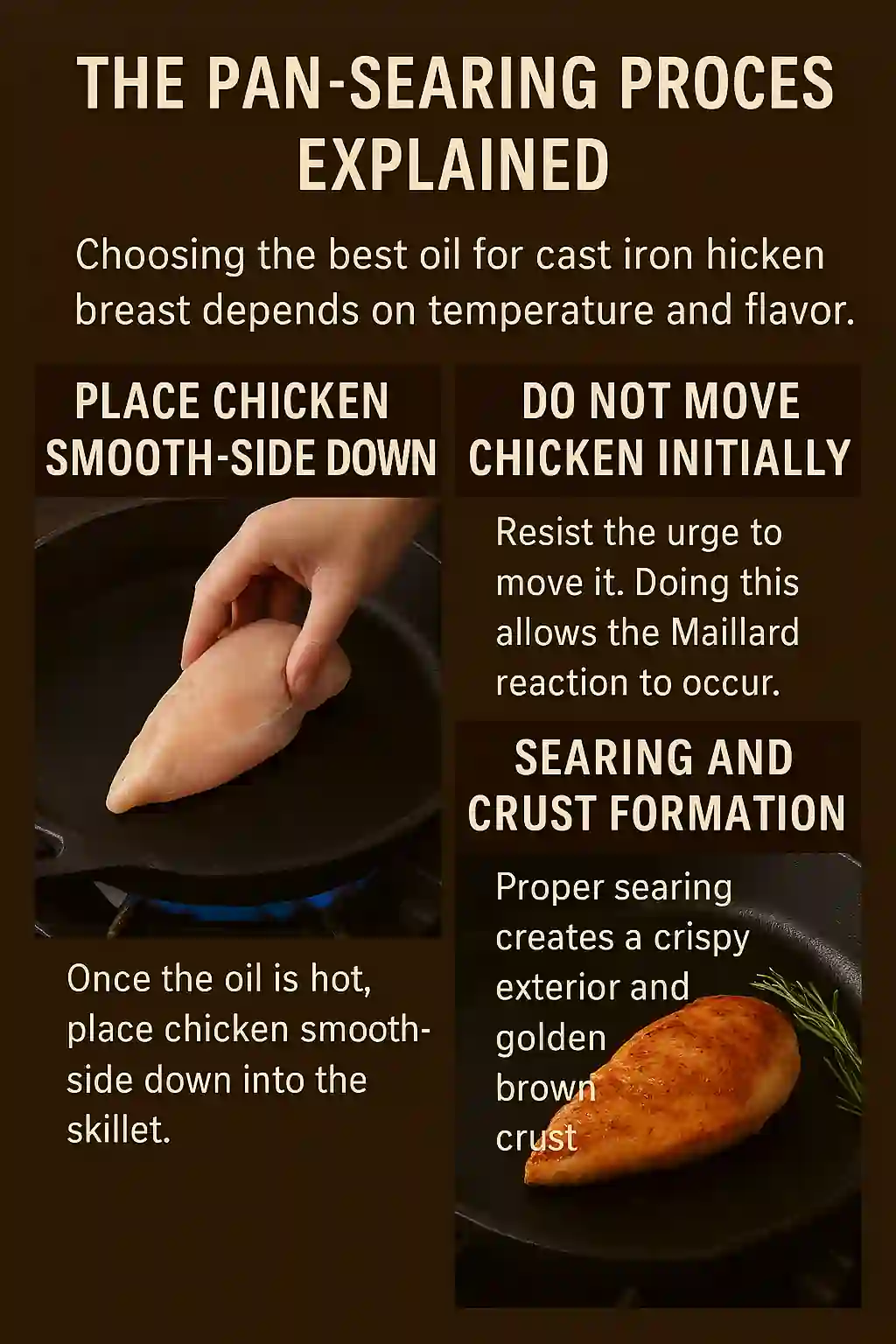
Resist the urge to move it. Do not move chicken initially this allows the Maillard reaction to occur.
Searing and Crust Formation
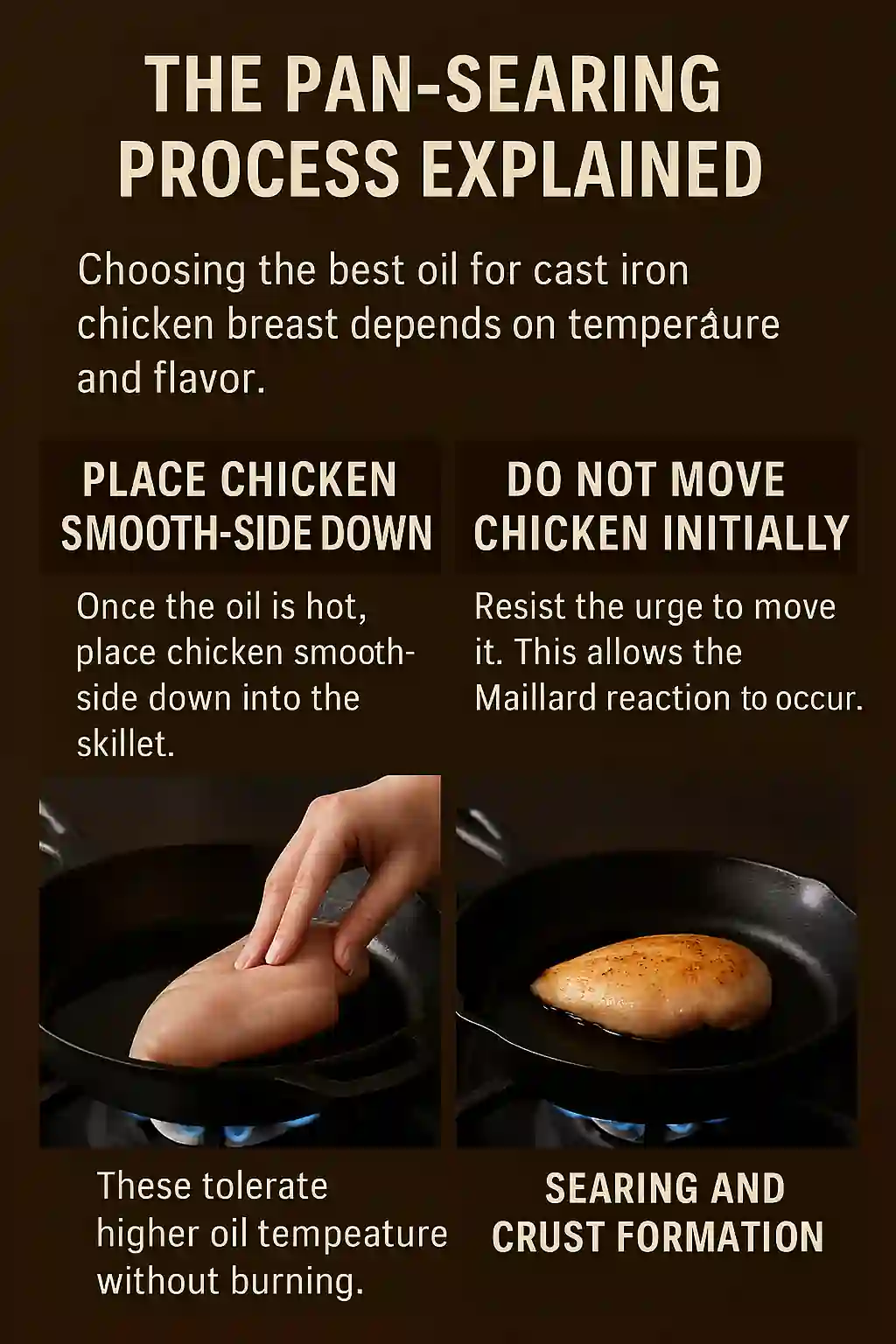
Proper searing creates a crispy exterior and golden brown crust while sealing in juices.
Flipping and Cooking Time
Flip Once
When the chicken releases naturally, flip once and reduce heat slightly.
Medium Heat vs Medium-High Heat
-
Medium-high heat for initial sear
-
Medium heat to finish cooking evenly
How Long to Cook Chicken Breast in Cast Iron
How long to cook chicken breast in cast iron depends on thickness, usually 5–7 minutes per side before oven finishing.
Oven Finishing for Thick Chicken Breasts
Finish in the Oven
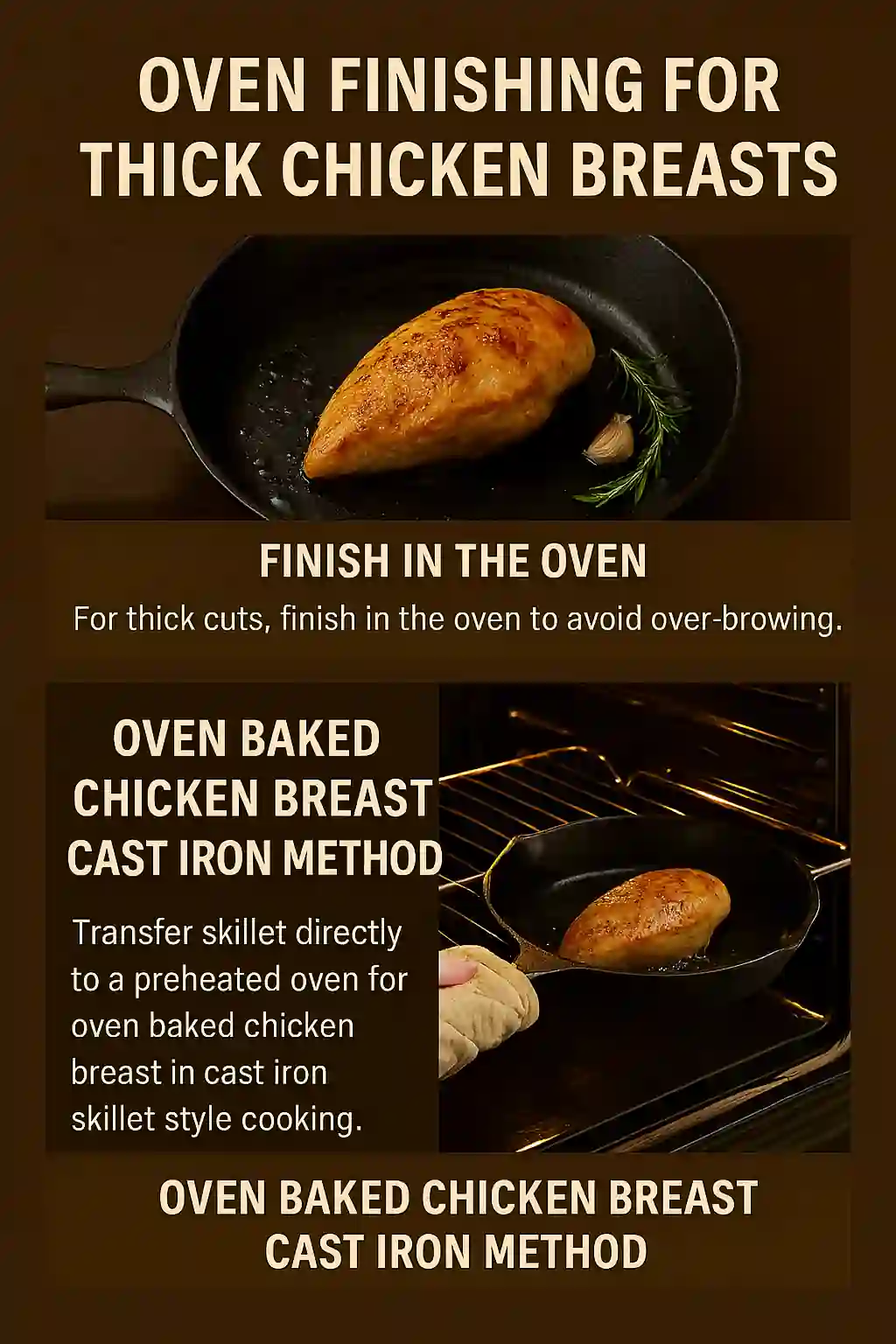
For thick cuts, finish in the oven to avoid over-browning.
Oven Baked Chicken Breast Cast Iron Method
Transfer skillet directly to a preheated oven for oven baked chicken breast in cast iron skillet style cooking.
Internal Temperature and Food Safety
Use a Meat Thermometer
Always check doneness with a meat thermometer.
Safe Internal Temperature
Chicken is done at an internal temperature of 165°F (74°C) for proper food safety.
Resting and Slicing the Chicken
Resting Time Matters
Allow adequate resting time to prevent juices from escaping.
Slice Against the Grain
Always slice against the grain for tender bites.
Butter Basting and Aromatics
Butter Basting Technique
Add butter, garlic, and shallots during the final minutes for butter basting.
Fresh Herbs for Aroma
Add thyme and rosemary to infuse flavor.
Making a Pan Sauce in Cast Iron
Pan Drippings Are Flavor Gold
After cooking, use pan drippings to build flavor.
Deglazing the Pan
Use deglazing with:
-
Chicken broth
-
White wine
-
Lemon juice
Garlic Butter Sauce
Reduce liquid and add butter to create a rich garlic butter sauce.
Why Chicken Breast Sticks to Cast Iron
Understanding why chicken breast sticks to cast iron helps prevent frustration.
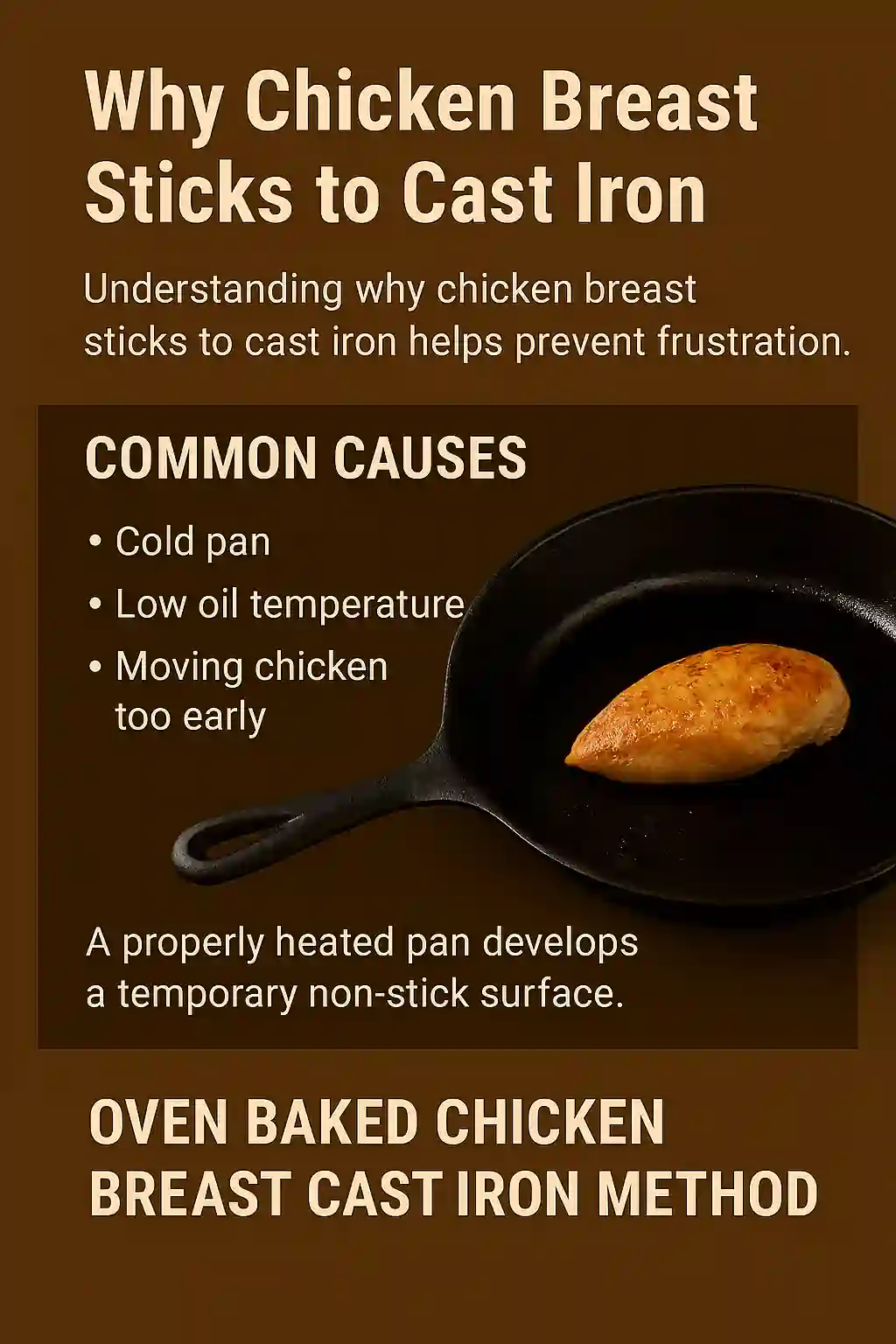
Common Causes
-
Cold pan
-
Low oil temperature
-
Moving chicken too early
A properly heated pan develops a temporary non-stick surface.
How to Keep Chicken Breast Juicy
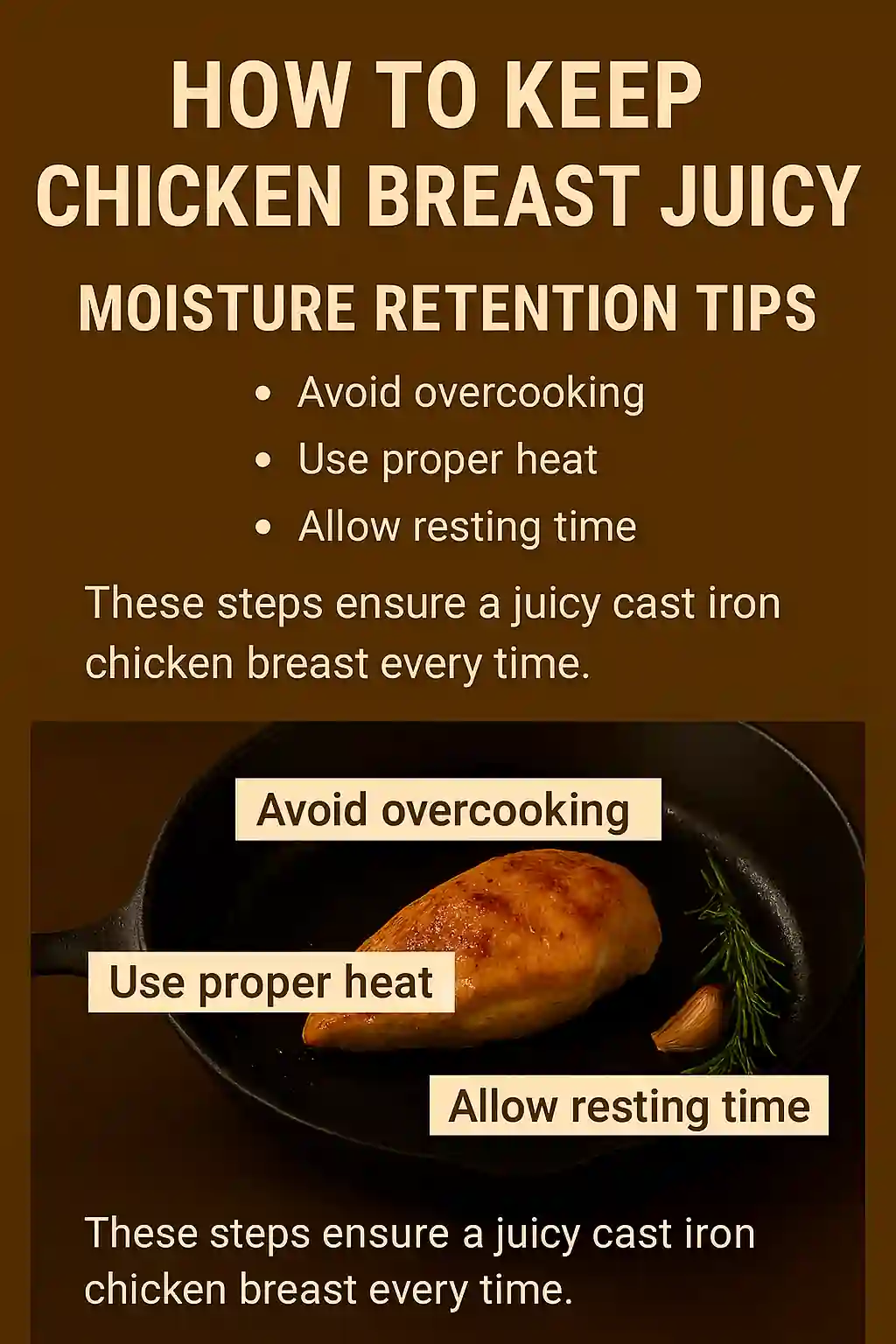
Moisture Retention Tips
-
Avoid overcooking
-
Use proper heat
-
Allow resting time
These steps ensure a juicy cast iron chicken breast every time.
Healthy Chicken Breast Cooking Benefits
Cooking a healthy chicken breast in cast iron requires minimal oil and preserves nutrients while enhancing flavor.
Crispy vs Juicy Results Explained
Crispy Cast Iron Chicken Breast
Achieved through high heat and proper searing.
Juicy Chicken Breast Balance
Maintained with careful timing and internal temperature control.
Also check more about chicken breast in a cast iron skillet
Common Cooking Mistakes to Avoid
Overcooking
Leads to dry chicken.
Skipping Resting Time
Causes moisture loss and toughness.
Pan Seared Chicken Breast in a Cast Iron vs Other Methods
Compared to baking or grilling, pan seared chicken breast in a cast iron skillet delivers superior browning and flavor development.
For a broader stovetop technique comparison, see this related guide on pan frying chicken, which explains similar heat and oil control fundamentals.
Frequently Asked Questions
How long to cook chicken breast in cast iron?
Cooking time depends on the thickness of the chicken breast:
-
Boneless, skinless chicken breast: 5–7 minutes per side on medium-high heat, then optional oven finishing.
-
Bone-in chicken breast: 8–10 minutes per side, finishing in the oven ensures juicy chicken breast.
Always check internal temperature with a meat thermometer; it should reach 165°F (74°C) for food safety.
How to keep chicken breast juicy in a cast iron skillet?
-
Pat chicken dry before seasoning
-
Use the right oil temperature for proper searing
-
Don’t overcrowd the pan
-
Finish thicker breasts in the oven (oven baked chicken breast cast iron)
-
Allow resting time before slicing
Why does chicken breast stick to cast iron?
-
Pan not preheated (preheat cast iron skillet)
-
Oil temperature too low (heat oil until shimmering)
-
Moving the chicken too early (do not move chicken initially)
Using a well-seasoned cast iron pan also creates a temporary non-stick surface.
What is the best oil for cast iron chicken breast?
For high-heat cooking:
-
Avocado oil
-
Canola oil
-
Vegetable oil
For medium heat or flavor:
-
Olive oil, combined with butter basting for richness
Can I cook bone-in chicken breast in a cast iron skillet?
Yes! Bone-in chicken breast takes slightly longer. Start with a stovetop sear, then finish in the oven for even cooking. This helps with moisture retention and crispy exterior development.
Summary: Mastering Chicken Breast in Cast Iron
Learning how to cook chicken breast in cast iron skillet is about heat control, timing, and patience. When done correctly, cast iron produces restaurant-quality chicken with a crispy crust, juicy interior, and rich pan sauce all from one pan.
Enjoyed this recipe?
One great recipe. Every Sunday. In your inbox.
Weekly. No spam. Unsubscribe in one click.
Keep reading
More from Recipes
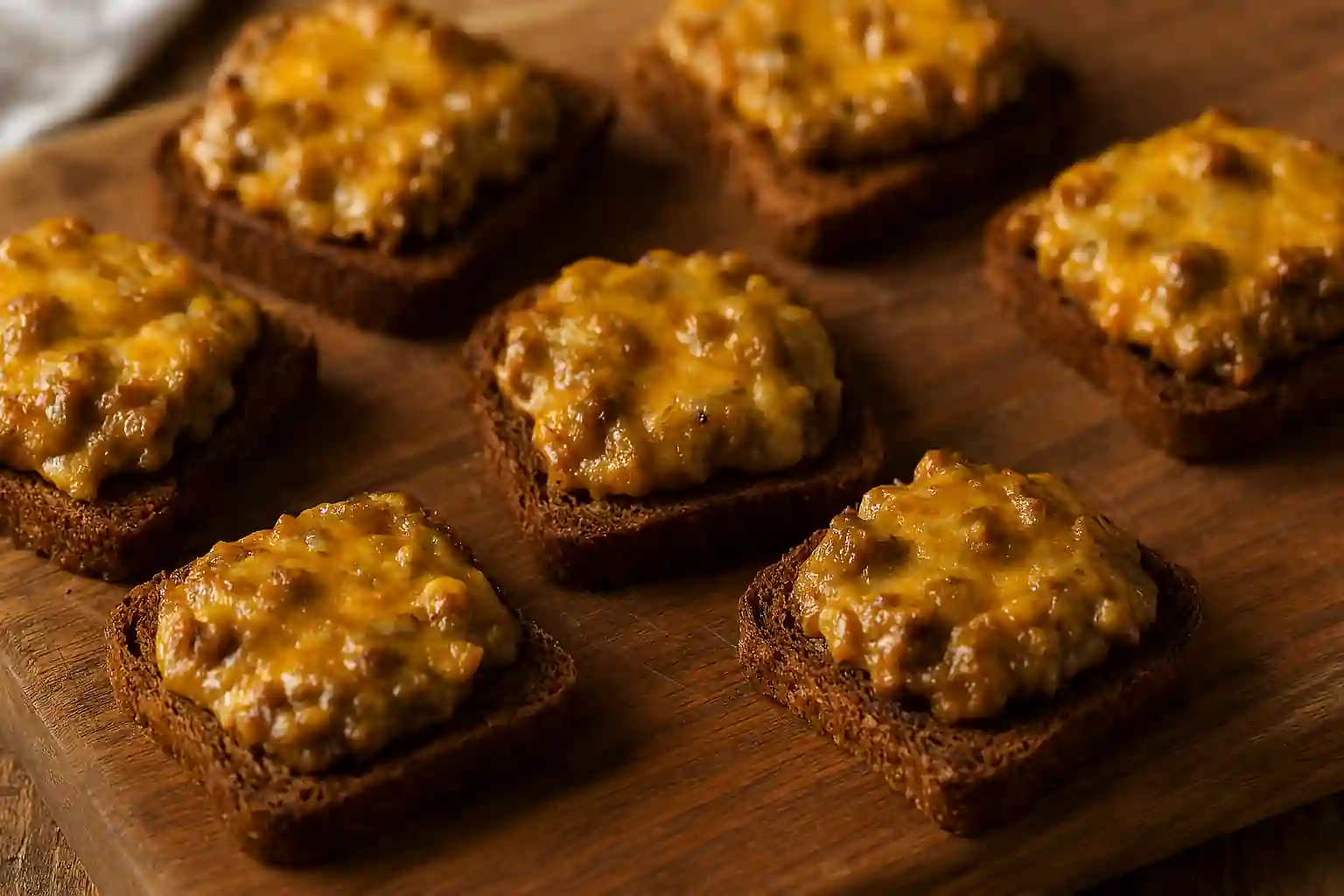 →
→Hanky Panky Recipe (Cocktail & Appetizer Guide)
If you’ve ever searched for a hanky panky recipe, you may have noticed something interesting: the name refers to two completely different but equally iconic creations. One is a legendary pre-prohibition cocktail made with gin, sweet vermouth, and Fernet-Branca. The other is a beloved Midwest recipe a savory, cheesy, meaty spread baked on rye bread … Read more
· 7 min read
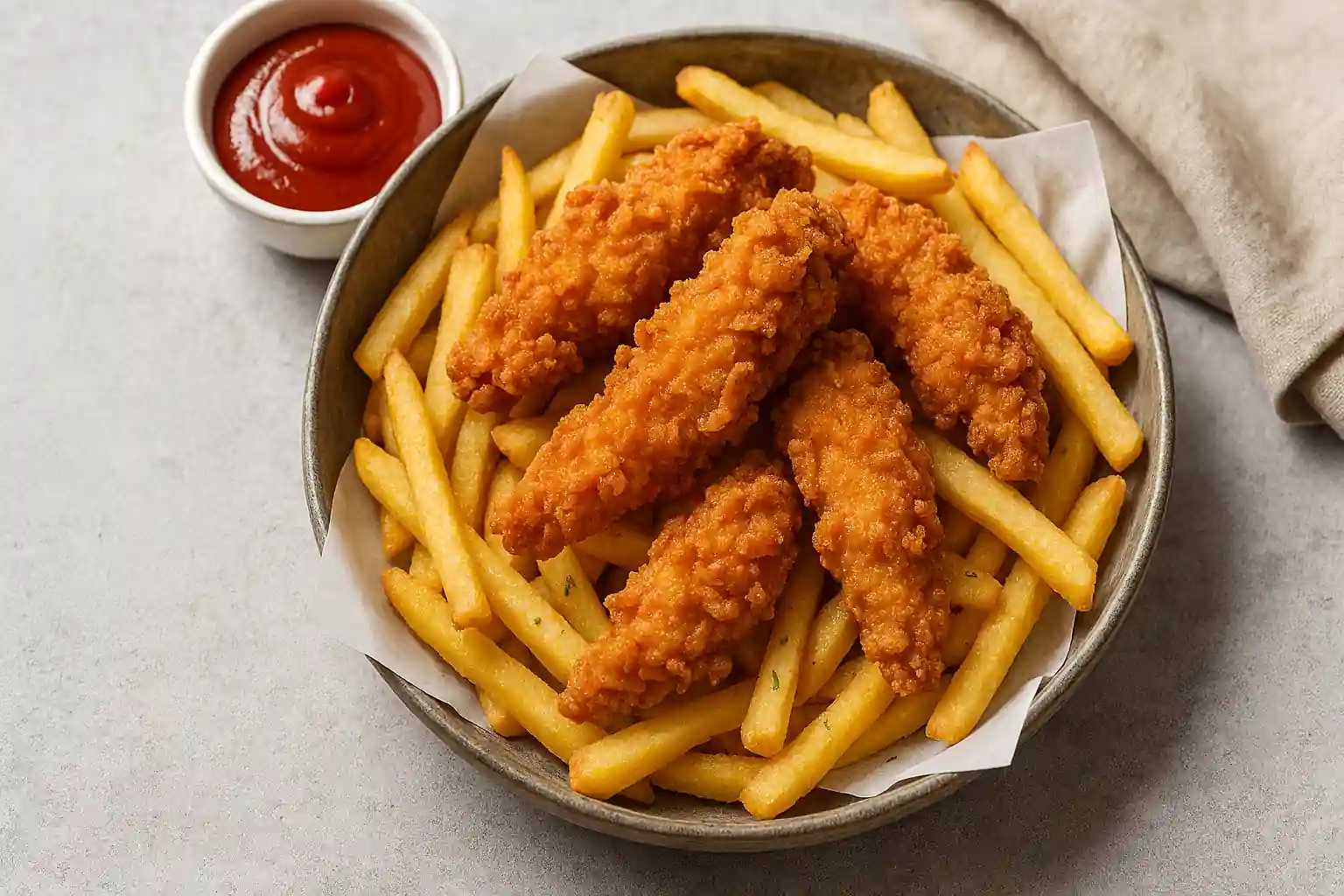 →
→Fried Chicken Fries Recipe
Fried chicken fries are the perfect crossover snack crispy on the outside and juicy on the inside, shaped like fries but made from seasoned chicken. This fried chicken fries recipe walks you through everything: what chicken fries are, how to make golden, crunchy chicken fries, and how to recreate fast food–style chicken fries at home … Read more
· 5 min read
Juicing Recipes: The Complete Informational Guide to Fresh, Healthy, Homemade Juice
Juicing recipes have become one of the most popular ways to consume fresh produce in a simple, drinkable form. From fresh juice packed with natural vitamins and minerals to carefully planned juice cleanse routines, juicing offers a convenient gateway into plant-based nutrition and liquid nutrition. This guide is designed to walk you through everything you … Read more
· 5 min read