Best Way to Season Cast Iron: How to Season a Cast Iron Pan for Perfect Non-Stick Results
Seasoning Your Cast Iron: The Ultimate Way to Season a Cast Iron Pan for Perfect Cooking Seasoning a cast iron pan is one of the most essential steps to unlock the full potential of your cookware. Proper cast iron seasoning transforms a raw, new cast iron pan into a non-stick, durable, and reliable cooking surface. … Read more
By Menu Moments
Menu Moments editorial
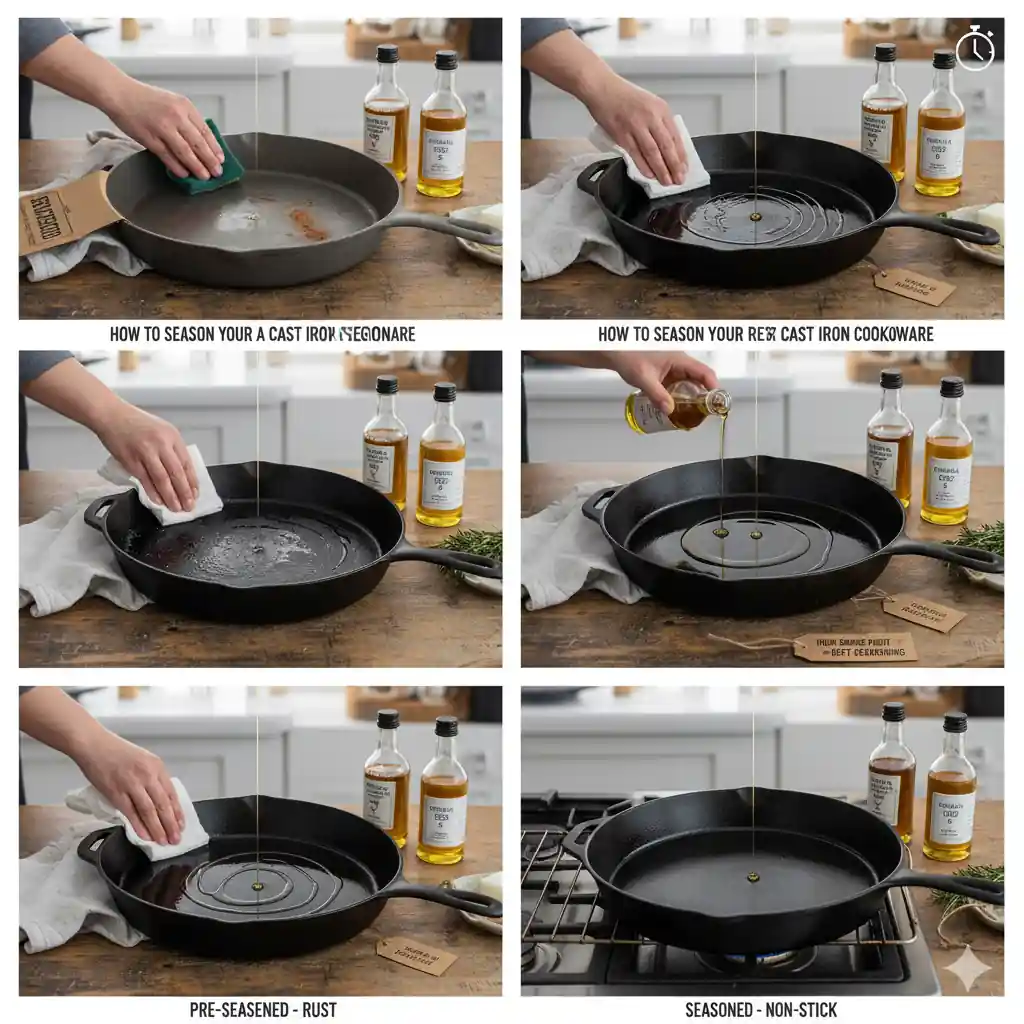
Seasoning Your Cast Iron: The Ultimate Way to Season a Cast Iron Pan for Perfect Cooking
Seasoning a cast iron pan is one of the most essential steps to unlock the full potential of your cookware. Proper cast iron seasoning transforms a raw, new cast iron pan into a non-stick, durable, and reliable cooking surface. This article will guide you through the seasoning process, explain why it matters, and provide the best techniques for both new cast iron pans and older, rusty skillets. If you want your cast iron cookware to last for decades while delivering exceptional cooking results, this guide is worth every word.
What Is Cast Iron Seasoning and Why It Matters

Seasoning is the process of applying a thin layer of fat or oil to a cast iron pan and heating it until it bonds to the metal. This layer of seasoning protects the cast iron from rust and creates a natural non-stick cooking surface. Without proper seasoning, cast iron cookware can develop rust, stickiness, or uneven cooking surfaces.
Cast iron seasoning is essential for both new cast iron pans and older cookware that may have lost its protective layer. The seasoning process polymerizes the oil, creating a durable coating that enhances the longevity of your pan. Using your cast iron pan regularly and maintaining the seasoning ensures better cooking results every time.
How to Season a Cast Iron Pan for Beginners
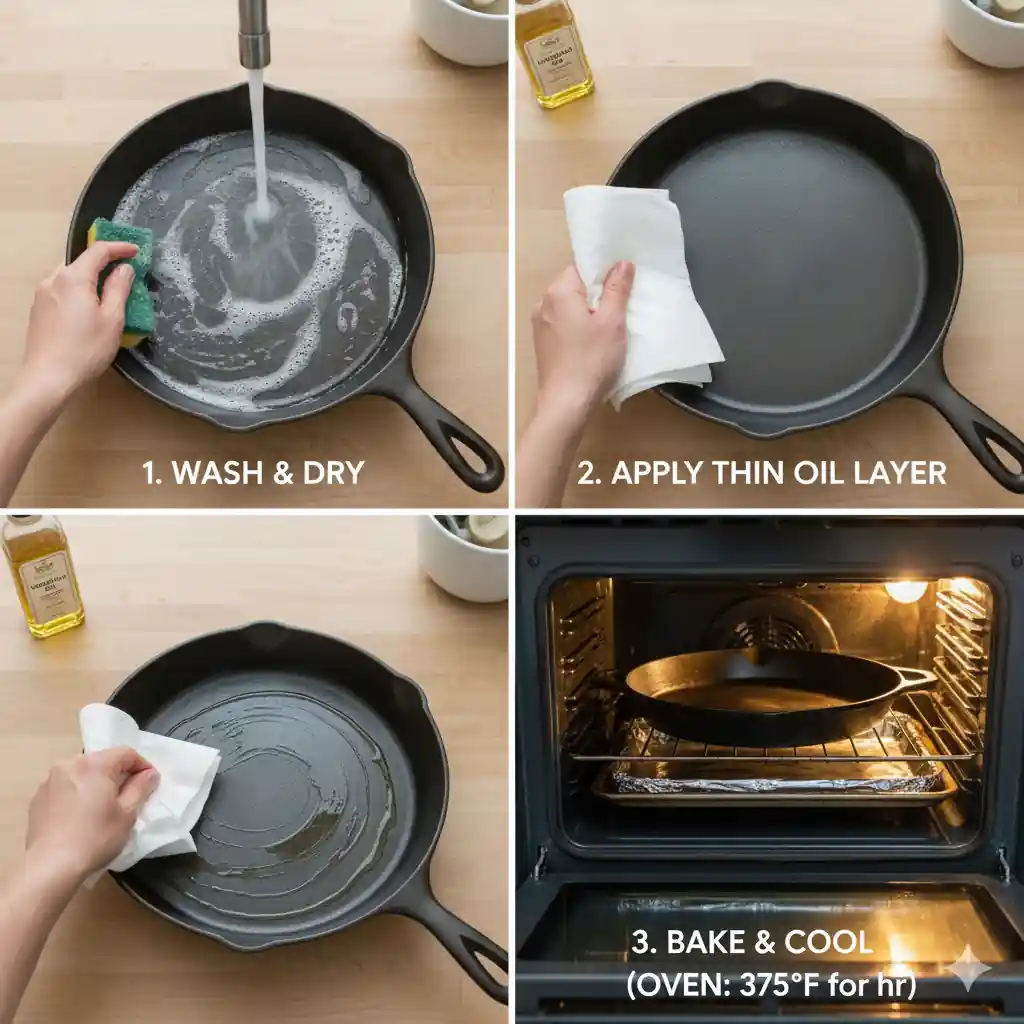
Seasoning a new cast iron pan may seem intimidating, but it’s quite simple when you follow the correct steps. First, wash the new pan with warm soapy water to remove any factory residue. Dry it thoroughly, as moisture can prevent the oil from bonding to the metal.
Next, apply a thin layer of your chosen oil on the entire cooking surface using a paper towel. Oils like flaxseed oil, vegetable oil, or canola oil work best for seasoning because of their high smoke points. Place the pan upside down in a preheated oven and bake at the recommended temperature to allow the oil to polymerize. Once cooled, your pan is ready to use, and this initial seasoning will serve as the foundation for future layers.
What Oils Work Best for Cast Iron Seasoning?
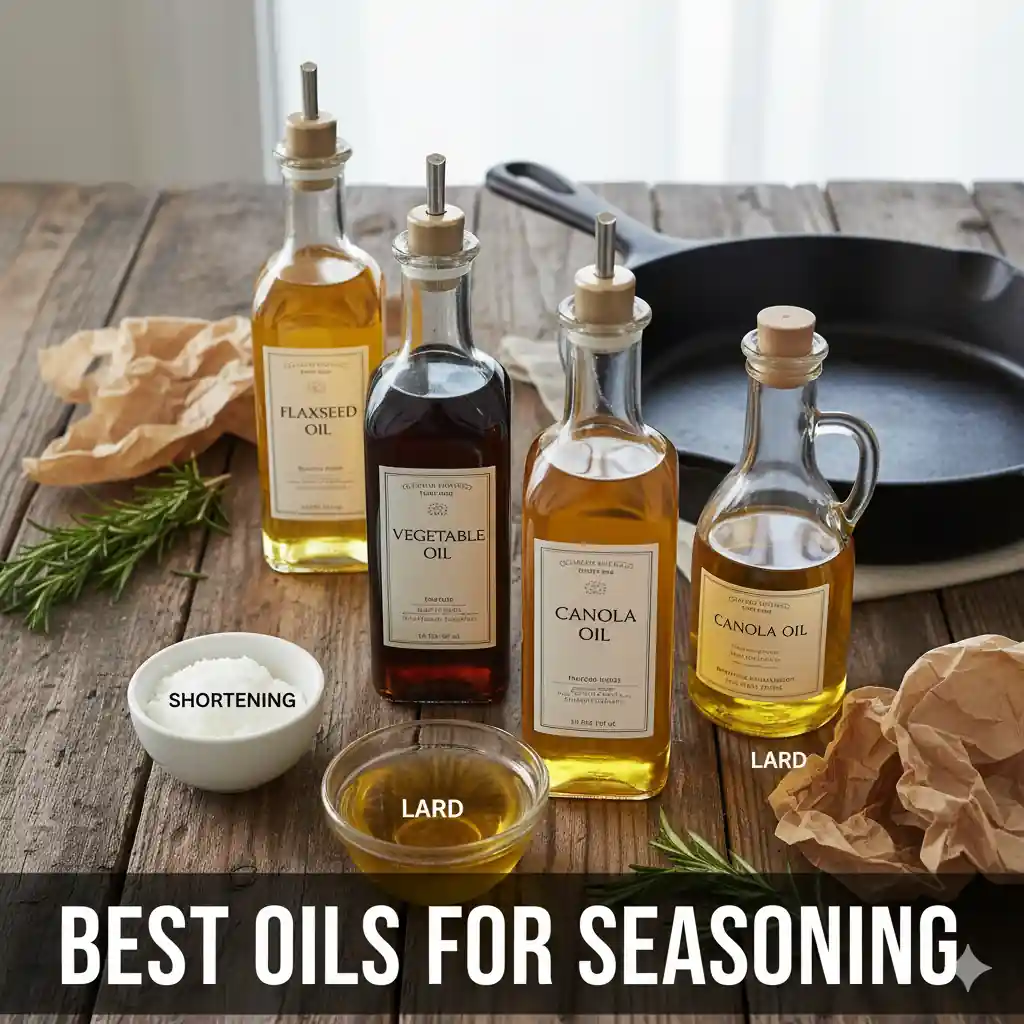
Choosing the right oil is crucial for effective seasoning. Flaxseed oil is highly recommended due to its ability to form a strong, durable layer. Vegetable oil, canola oil, and even shortening or lard can also create excellent seasoning layers when applied correctly.
For best results, avoid oils with low smoke points, as they can create sticky or uneven seasoning. The key is to use a small amount, apply a thin layer on the pan, and heat until the oil smokes. This reliable method ensures the oil bonds to the metal and enhances the non-stick properties of your cast iron skillet.
Should You Season a New Cast Iron Skillet Before First Use?
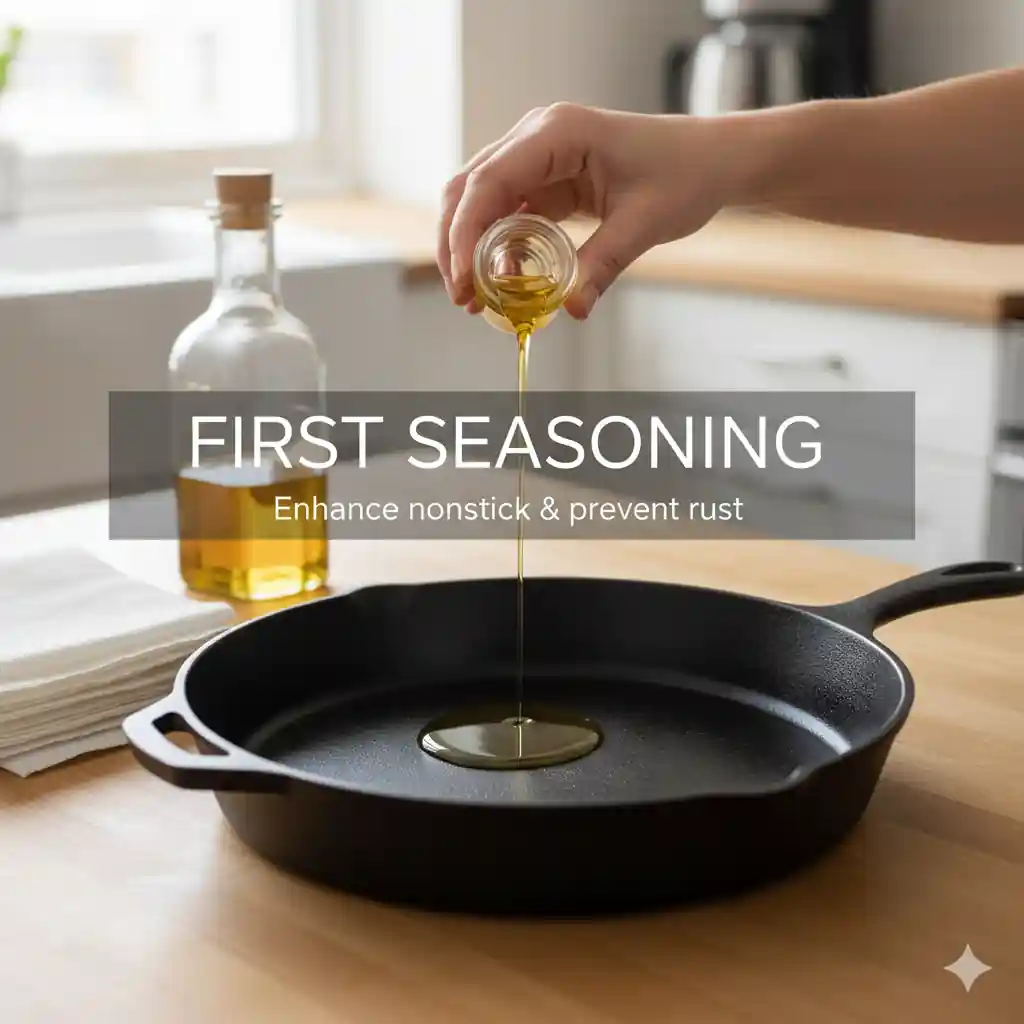
Even modern cast iron cookware comes pre-seasoned, but adding an additional layer improves the performance and longevity of your pan. A new cast iron pan often benefits from a first seasoning at home to ensure the cooking surface is completely ready for frying, sautéing, and other high-heat cooking methods.
This first seasoning not only strengthens the nonstick properties but also prevents rust from developing. Applying a thin layer of oil and following a proper oven cycle guarantees that your new cast iron pan is prepared for immediate use.
How Often Should You Re-Season Your Cast Iron Cookware?
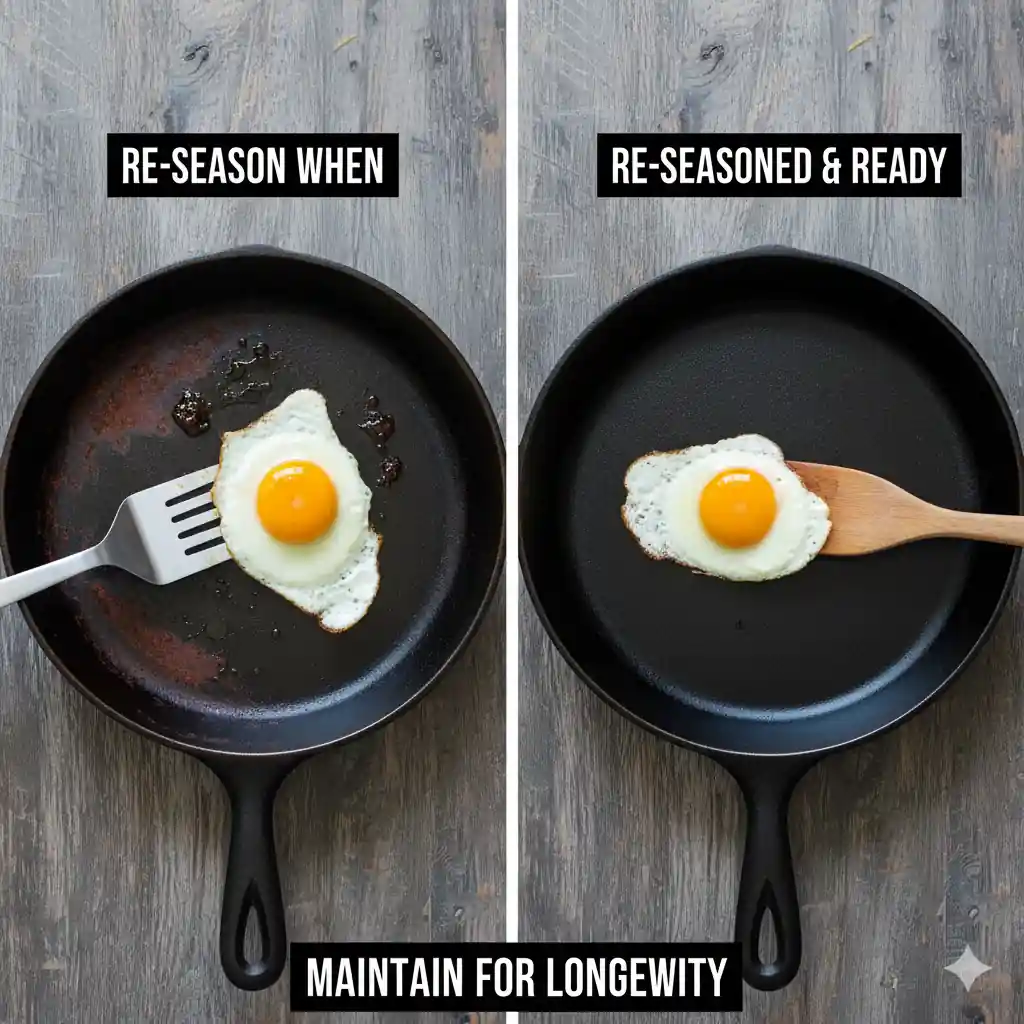
Regular use helps maintain the seasoning on your cast iron skillet, but over time, you may need to re-season the pan. Signs that your pan requires re-seasoning include visible rust, sticky residue, or uneven cooking surfaces.
To re-season, scrub the pan lightly with steel wool or a scour brush, clean it with soapy water, dry it thoroughly, and repeat the seasoning method. Re-seasoning once every few months or after heavy use is typically sufficient to maintain a durable and reliable cooking surface.
What’s the Best Way to Remove Rust from a Cast Iron Pan?
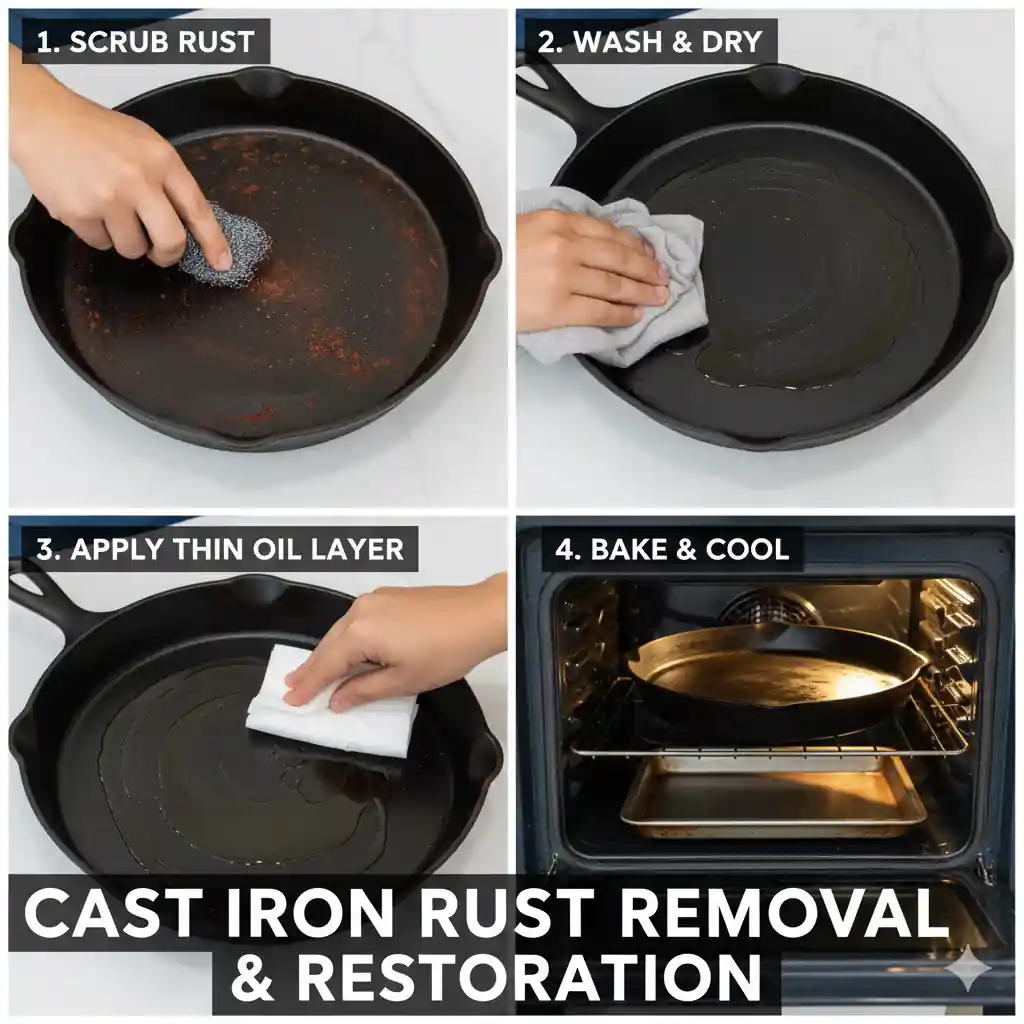
Rust is the biggest enemy of cast iron cookware. If your pan becomes rusty, remove the rust using sandpaper or steel wool, scrub thoroughly, and wash with soapy water. Dry it completely before applying a thin layer of oil and seasoning the pan.
For minor rust, using a bit of oil on a paper towel and baking the pan in the oven can restore the seasoning. Consistent maintenance and proper seasoning prevent rust from recurring and ensure your cast iron pan remains ready to use.
Can You Season Cast Iron on the Stovetop?
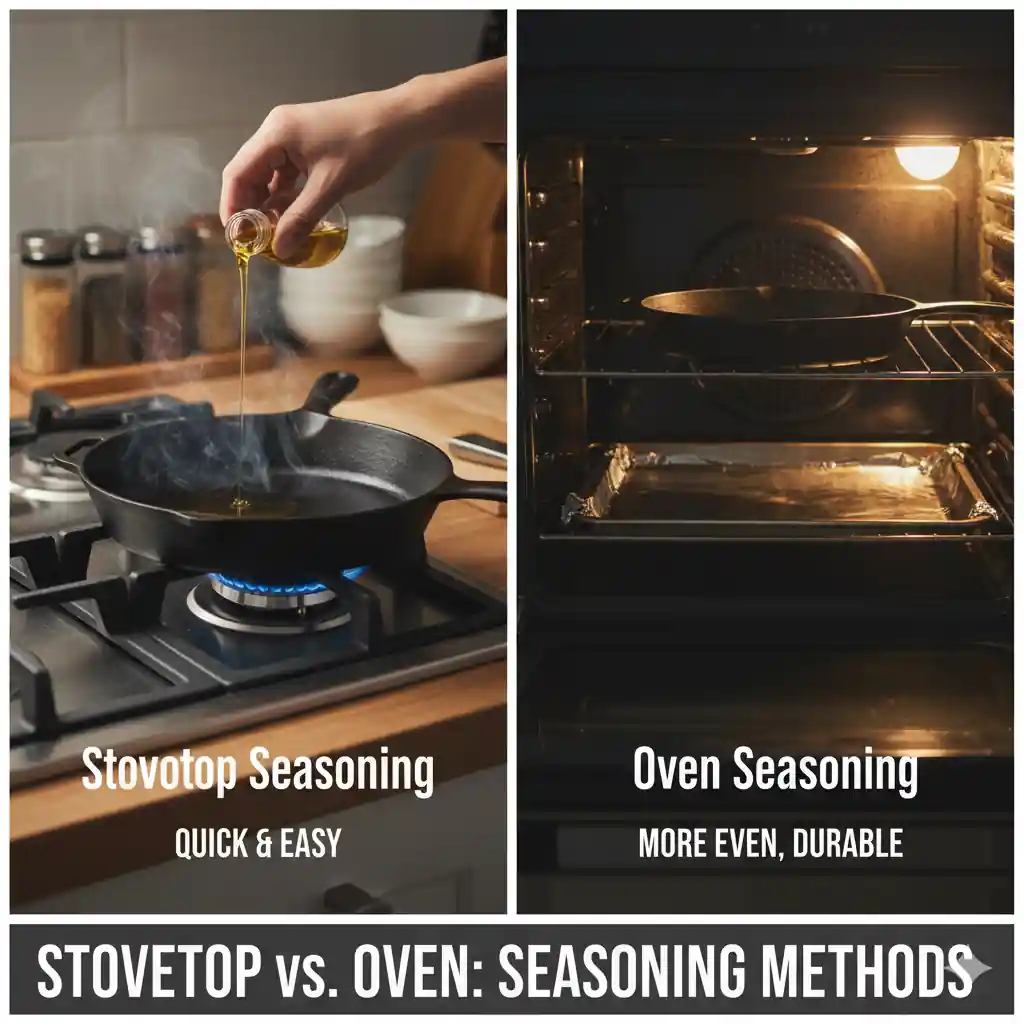
Yes, you can season a cast iron pan on the stovetop, but oven seasoning often provides more even results. To season on a stovetop, heat the pan over medium heat, add a small amount of oil, and spread it evenly. Fry or sauté the oil until it reaches its smoke point, then wipe off excess oil with a paper towel.
While stovetop seasoning can maintain the nonstick layer, a full oven cycle with your pan upside down allows the oil to polymerize evenly, forming a durable, bonded layer that resists rust and improves non-stick properties.
How to Maintain the Non-Stick Properties of Your Cast Iron Skillet

Maintaining the seasoning is key to keeping your cast iron pan non-stick. Avoid using soap excessively, and always dry the pan thoroughly after washing. Apply a thin layer of cooking oil after cleaning to replenish the seasoning and protect the cooking surface.
Regular use also contributes to a stronger seasoning layer. Frying, sautéing, or baking with your pan frequently encourages a naturally non-stick surface. For stubborn residue, scour gently and reapply a bit of oil to restore the seasoning without damaging the bonded layers.
Common Mistakes When Seasoning a Cast Iron Pan
One of the most common mistakes is applying too much oil, which can result in a sticky, uneven seasoning layer. Another is not heating the pan to the correct oven temperature, preventing the oil from polymerizing properly.
Using low smoke point oils or skipping the drying step can also harm your cast iron skillet. Always use a thin layer of oil, follow the oven cycle, and ensure the pan is dry before seasoning. These small steps make a huge difference in achieving a durable, non-stick cooking surface.
Choosing the Right Cast Iron Pan for Long-Term Use
Selecting a high-quality cast iron pan ensures the seasoning process is effective and long-lasting. Look for pans with smooth cooking surfaces and sturdy handles. Modern cast iron cookware often comes pre-seasoned, but even these benefit from an initial seasoning at home.
Consider the size and shape of your skillet based on your cooking habits. Larger pans are great for frying and sautéing, while smaller skillets excel at baking and side dishes. Investing in the right pan makes seasoning easier and cooking more enjoyable.
For more specialized cookware options, check out best popover pans to expand your baking repertoire.
Key Takeaways
-
Seasoning a cast iron pan creates a non-stick, rust-resistant layer.
-
Always start with a clean, dry pan before seasoning.
-
Use oils with high smoke points like flaxseed oil, vegetable oil, or canola oil.
-
Oven seasoning produces more even results than stovetop seasoning.
-
Re-season pans periodically to maintain non-stick properties.
-
Remove rust immediately to prevent damage to your cookware.
-
Avoid excessive oil and low heat to prevent sticky seasoning layers.
-
Regular use and proper maintenance enhance the longevity of your cast iron pan.
-
Modern cast iron cookware still benefits from an initial home seasoning.
-
Choosing the right pan ensures the seasoning process is effective and enjoyable.
Enjoyed this tip?
A weekly hit of kitchen know-how.
Tips, techniques and small upgrades — every Sunday.
Keep reading
More from Kitchen appliances
 →
→Best Stand Mixer for Bread Dough: Top Picks, Reviews & Buying Guide
Best Stand Mixer for Bread Dough: Ultimate Guide and Reviews Baking bread at home has never been easier, thanks to the versatility and power of modern stand mixers. Whether you’re a beginner baker or a professional looking for a reliable professional stand mixer for bread, choosing the right appliance can make all the difference in … Read more
· 8 min read
 →
→Stand Mixer for Cakes: What to Look For | Best Stand Mixer Buying Guide
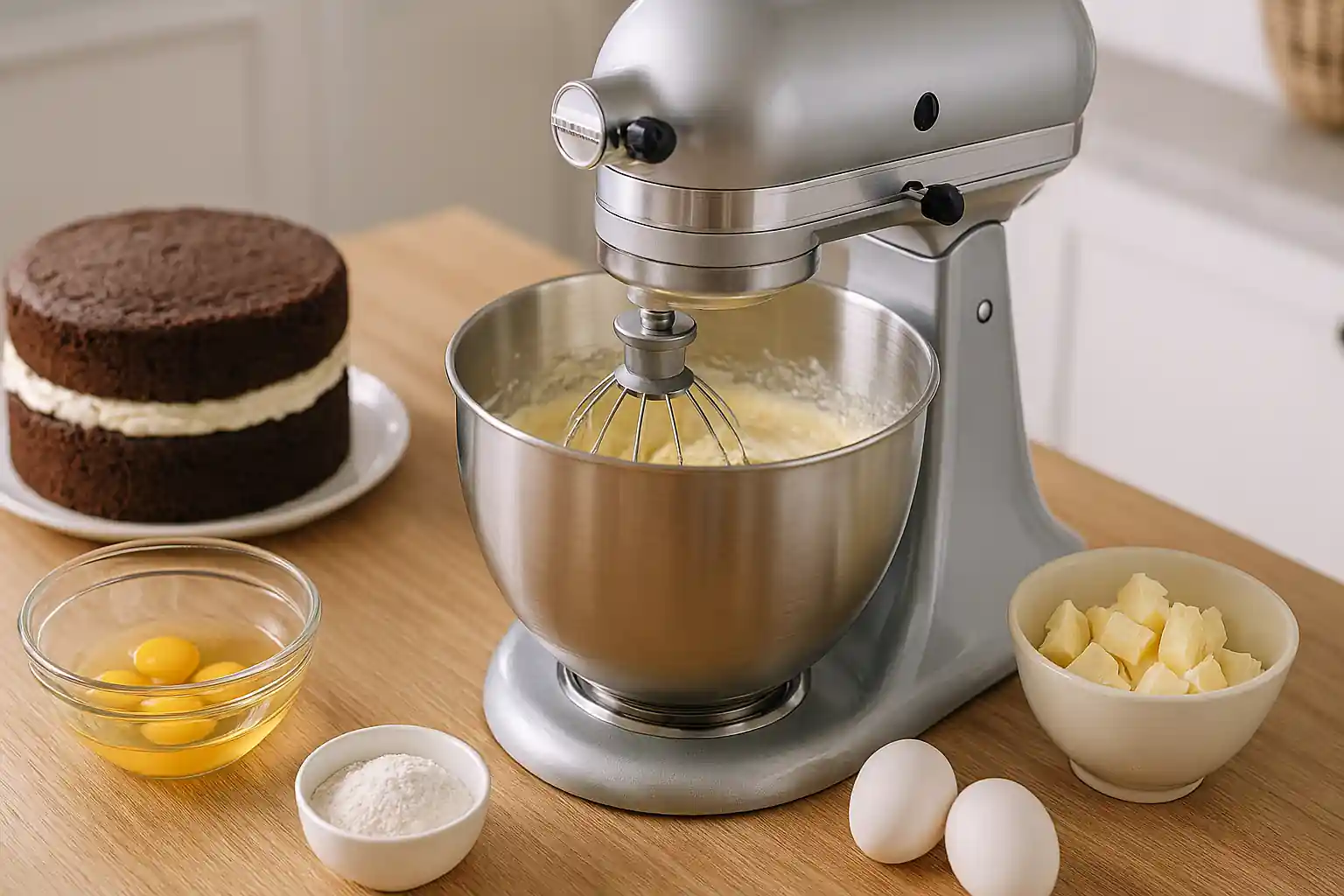
Stand Mixer for Cakes: What to Look For Choosing the perfect stand mixer for cakes can be a daunting task, especially with so many models, features, and accessories available. Whether you are a beginner baker or a seasoned home chef, understanding what to look for in a stand mixer can save you time, effort, and … Read more
· 8 min read
 →
→Best Stand Mixer for Beginners: Top KitchenAid, Cuisinart & More Reviewed
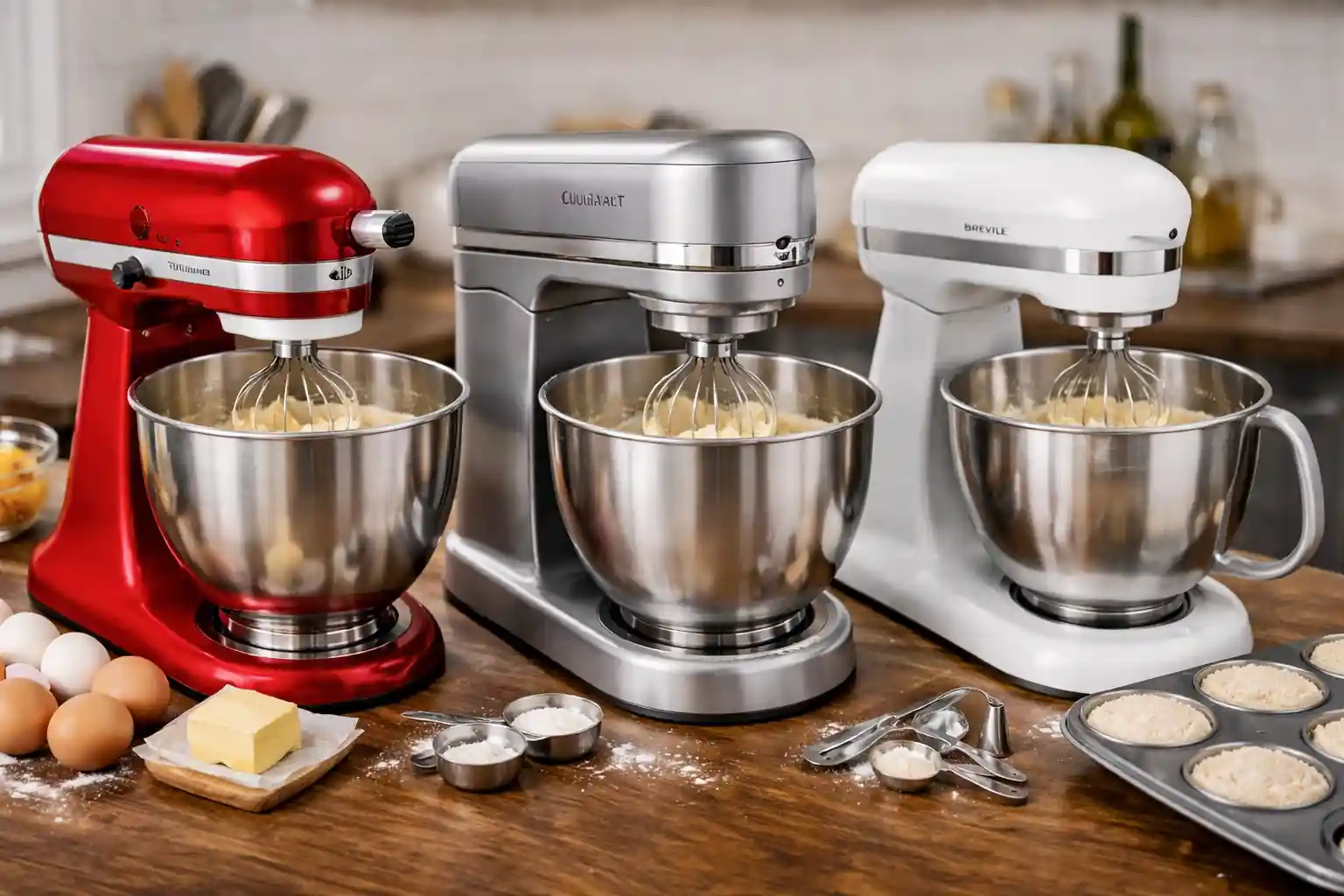
Best Stand Mixer for Beginners: A Complete Buying Guide If you’re a home baker, cooking enthusiast, or professional chef, having a reliable stand mixer can transform your kitchen experience. From kneading dense bread doughs to whipping fluffy meringues, the right mixer makes baking easier, faster, and more enjoyable. This guide will cover everything you need … Read more
· 7 min read