What Is a Stand Mixer? Advantages, Disadvantages & Buying Guide for Home & Professional Bakers
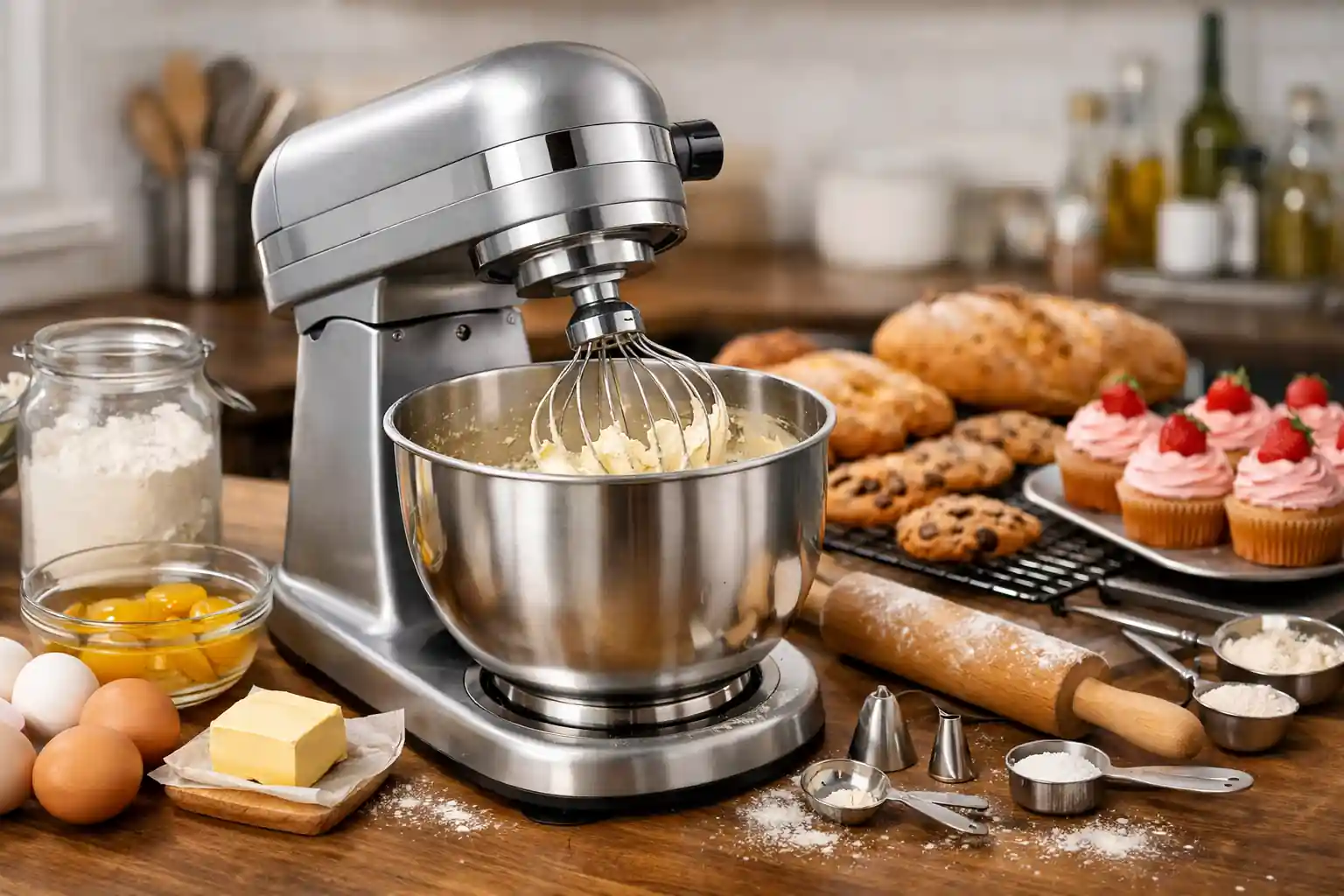
What Is a Stand Mixer? (Advantages & Disadvantages of Stand Mixer) Stand mixers have revolutionized the way both home bakers and professional chefs approach cooking and baking. Whether you are kneading dough for bread, whipping cream for desserts, or mixing cake batter, a stand mixer can save you time and effort. This guide will explore … Read more
By Menu Moments
Menu Moments editorial
Last updated
December 23, 2025
Reading time
6 min
 Buying guide
12
Picks
covered
9 months
Updated
ago
6
Reading
min read
Disclosure: Menu Moments earns a commission on qualifying purchases through some of the links below. Our picks are chosen by the editorial team — never by advertisers. Read the full policy →
What Is a Stand Mixer? (Advantages & Disadvantages of Stand Mixer)
Stand mixers have revolutionized the way both home bakers and professional chefs approach cooking and baking. Whether you are kneading dough for bread, whipping cream for desserts, or mixing cake batter, a stand mixer can save you time and effort. This guide will explore what a stand mixer is, its advantages and disadvantages, and provide insights into how to choose the right one for your kitchen needs. For a more detailed buying guide, you can check Stand Mixer Buying Guide: How to Choose the Best Stand Mixer for Baking & Cooking.
What Is a Stand Mixer?
A stand mixer is an electric kitchen appliance designed to automate the task of mixing, beating, or kneading ingredients. Unlike a hand mixer, which requires manual holding and effort, a stand mixer comes with a stationary base, a mixing bowl, and interchangeable attachments that do most of the work for you.
Stand mixers are versatile machines suitable for a wide range of kitchen tasks. They are commonly used in baking, but many models, especially professional stand mixers, can also handle heavy-duty cooking tasks such as grinding meat or making pasta.
Components of a Stand Mixer
Stand Mixer Bowl Size
The stand mixer bowl size varies depending on the model. Home bakers may opt for smaller bowls (3–4 quarts), while professional or heavy-duty users might need larger bowls (6–7 quarts) to prepare large batches efficiently.
Stand Mixer Attachments
Stand mixer attachments expand the functionality of your mixer. Standard attachments include:
-
Flat beater – perfect for mixing cake batter and cookie dough.
-
Dough hook – ideal for kneading bread or pizza dough.
-
Whisk attachment – used for whipping cream, egg whites, and making meringues.
-
Optional add-ons: pasta rollers, meat grinders, ice cream makers, and vegetable spiralizers.
Each attachment is designed to optimize performance for a specific task.
Best Stand Mixer Brands
KitchenAid Stand Mixer
The KitchenAid stand mixer is arguably the most recognized brand worldwide. Known for durability, performance, and a wide range of attachments, it caters to both home bakers and professionals. Key features include:
-
Planetary mixing action for thorough ingredient incorporation.
-
Multiple speed settings for precise control.
-
Optional attachments for expanding functionality.
Other Stand Mixer Brands
While KitchenAid dominates the market, other high-end stand mixers for baking and affordable stand mixers also offer great value:
-
Cuisinart stand mixers
-
Kenwood stand mixers
-
Breville stand mixers
-
Hamilton Beach stand mixers
Choosing the right brand often depends on your budget, kitchen space, and baking needs.
Advantages of a Stand Mixer
Stand Mixer Benefits for Baking
A stand mixer can dramatically improve the efficiency and quality of baking tasks. Key benefits include:
-
Hands-free mixing – allows you to multitask in the kitchen while the mixer does the work.
-
Consistent results – ensures dough, batter, or cream is evenly mixed every time.
-
Time-saving – kneading heavy dough or whipping cream becomes quicker compared to manual methods.
-
Versatile applications – can handle cookies, pastries, bread, whipped cream, and even pasta or meat.
Stand Mixer Pros and Cons
Pros:
-
Efficient for heavy-duty mixing tasks.
-
Reliable for both small and large batches.
-
Reduces physical strain compared to manual mixing.
-
Expands culinary possibilities with attachments.
Cons:
-
Can be bulky and occupy significant counter space.
-
Higher price point for premium models.
-
Requires cleaning and maintenance.
-
Some models can be noisy.
Disadvantages of a Stand Mixer
Stand Mixer Drawbacks
While stand mixers are incredibly useful, they do have drawbacks:
-
Stand mixer bulky for small kitchens – their size can make storage challenging.
-
Stand mixer expensive or cheap – high-quality models come at a premium, though cheaper versions may compromise performance.
-
Stand mixer noisy or quiet – some mixers generate substantial noise, which may be inconvenient.
-
Stand mixer maintenance issues – proper care is required to maintain longevity and performance.
-
When you don’t need a stand mixer – for simple tasks or occasional baking, a hand mixer may suffice.
Common Stand Mixer Problems
Some users experience minor issues such as:
-
Motor overheating during extended use.
-
Attachments not fitting correctly.
-
Inconsistent speed settings.
-
Difficulty cleaning intricate parts.
Stand Mixer vs Hand Mixer
Hand Mixer vs Stand Mixer: Which One to Choose?
A hand mixer is portable, lightweight, and suitable for occasional baking or small batches. However, a stand mixer excels for heavy-duty mixing, large batches, and hands-free operation. Key comparisons:
| Feature | Hand Mixer | Stand Mixer |
|---|---|---|
| Power | Lower | Higher |
| Batch Size | Small | Large |
| Hands-Free | No | Yes |
| Attachments | Limited | Extensive |
| Ideal For | Casual use | Frequent baking, professional use |
Stand Mixer vs Hand Mixer for Bread
Kneading bread dough with a stand mixer is significantly easier. The dough hook attachment efficiently works tough dough without tiring your arms. A hand mixer may struggle with dense bread dough.
How to Use a Stand Mixer
Step-by-Step Guide
-
Select the appropriate attachment – flat beater, whisk, or dough hook.
-
Add ingredients to the mixing bowl.
-
Choose the right speed setting – refer to your recipe and mixer manual.
-
Start mixing – allow the mixer to run hands-free until ingredients are properly combined.
-
Check consistency – scrape down the bowl as needed.
-
Turn off and remove attachments – clean after use to avoid residue buildup.
Best Speed Settings for Stand Mixer
-
Low speed: for combining ingredients and preventing flour clouds.
-
Medium speed: for mixing cake batter or cookie dough.
-
High speed: for whipping cream, egg whites, or meringues.
Stand Mixer for Baking
Stand Mixer for Kneading Dough
Heavy dough such as bread or pizza requires robust kneading. The dough hook of a stand mixer ensures even kneading without overworking the dough.
Mixing Cake Batter with a Stand Mixer
A stand mixer can achieve smooth, lump-free cake batter. Using the flat beater and medium speed setting ensures consistent results.
Whipping Cream with a Stand Mixer
The whisk attachment quickly turns heavy cream into fluffy whipped cream, saving time compared to manual whipping.
Stand Mixer for Cookies and Pastries
From cookie dough to delicate pastries, a stand mixer provides consistent texture and prevents overmixing.
Heavy-Duty Stand Mixers
For professionals or serious bakers, a heavy-duty stand mixer is essential. These mixers can handle:
-
Large batches of dough or batter.
-
Dense and sticky mixtures.
-
Continuous operation in a commercial kitchen.
Stand Mixer for Professional Bakers
Professional stand mixers often feature:
-
Larger mixing bowls (6–7 quarts or more).
-
Higher power motors.
-
Durable metal construction.
-
Advanced attachments for versatile culinary tasks.
Stand Mixer Comparisons and Buying Guide
Should I Buy a Stand Mixer?
Ask yourself these questions:
-
Do you bake frequently?
-
Do you handle large batches?
-
Do you want a hands-free mixing experience?
If yes, investing in a stand mixer is worthwhile.
Stand Mixer vs Food Processor
While both appliances aid in food preparation, they serve different purposes:
-
Stand mixer – best for mixing, whipping, and kneading.
-
Food processor – ideal for chopping, slicing, and shredding.
KitchenAid vs Other Stand Mixers
KitchenAid stand mixers offer:
-
Strong planetary mixing action.
-
Numerous attachments.
-
Robust customer support.
Other brands may offer more affordable options, but KitchenAid remains a trusted favorite.
Affordable vs High-End Stand Mixers
-
Affordable models: suitable for home bakers, smaller bowls, and moderate performance.
-
High-end models: professional-grade, durable, and versatile with advanced features.
Best Stand Mixer for Small Kitchens
Compact models provide all the functionality of a full-size mixer but with a smaller footprint and storage ease.
Stand Mixer Size and Power Comparison
When buying, consider:
-
Motor power (usually 250–1000+ watts).
-
Bowl capacity (3–7 quarts).
-
Intended usage (home or professional).
Stand Mixer Maintenance Tips
Cleaning Your Stand Mixer
-
Remove attachments and wash separately.
-
Wipe down the mixer body with a damp cloth.
-
Avoid submerging the base in water.
Stand Mixer Maintenance Issues
-
Regularly check attachment alignment.
-
Keep the motor vents clean.
-
Lubricate gears if recommended in the user manual.
Time-Saving Stand Mixer Tips
-
Prepare ingredients in advance.
-
Use multiple attachments for multitasking.
-
Utilize the bowl scraper attachment for quick mixing and cleaning.
-
Experiment with speed settings for optimal performance.
Conclusion
A stand mixer is an indispensable tool for serious bakers and cooking enthusiasts. With its ability to handle heavy dough mixing, whipping cream, and preparing large batches, it offers unmatched convenience and efficiency. While it may be bulky or expensive, the time-saving benefits, hands-free operation, and versatility make it a worthwhile investment for both home and professional kitchens.
For a more in-depth understanding of choosing the right stand mixer, including comparisons, attachments, and best models for home bakers and professionals, visit Stand Mixer Buying Guide: How to Choose the Best Stand Mixer for Baking & Cooking.
Affiliate disclosure
Menu Moments is a participant in the Amazon Services LLC Associates Program and other affiliate programs. When you buy something through a link on this page, we may earn a small commission at no extra cost to you. Our editorial picks and opinions are independent — we buy, test and recommend only what we'd tell a friend. See our full disclosure policy for details.
Keep comparing
More Kitchen appliances
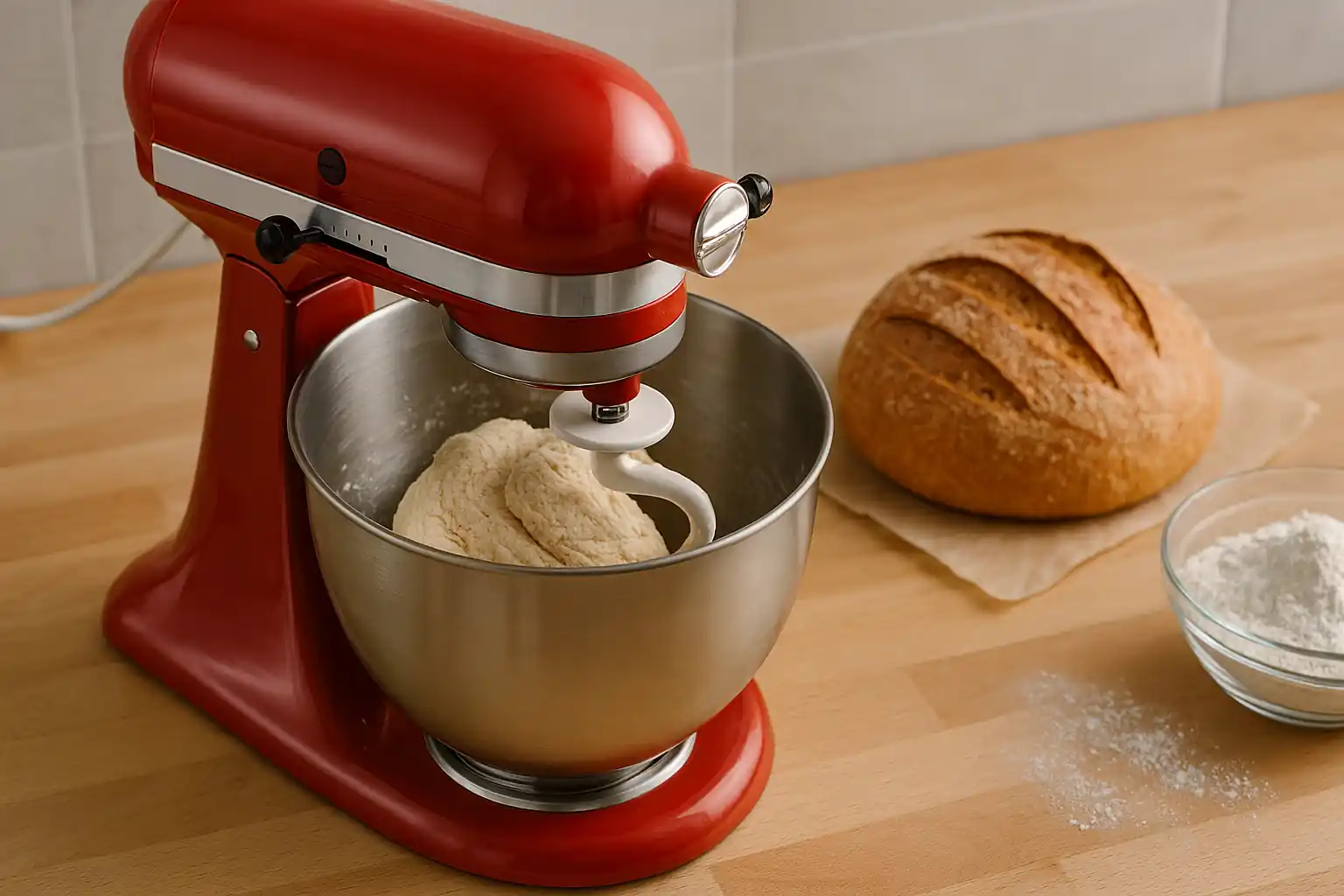 →
→Best Stand Mixer for Bread Dough: Top Picks, Reviews & Buying Guide
Best Stand Mixer for Bread Dough: Ultimate Guide and Reviews Baking bread at home has never been easier, thanks to the versatility and power of modern stand mixers. Whether you’re a beginner baker or a professional looking for a reliable professional stand mixer for bread, choosing the right appliance can make all the difference in … Read more
· 8 min read
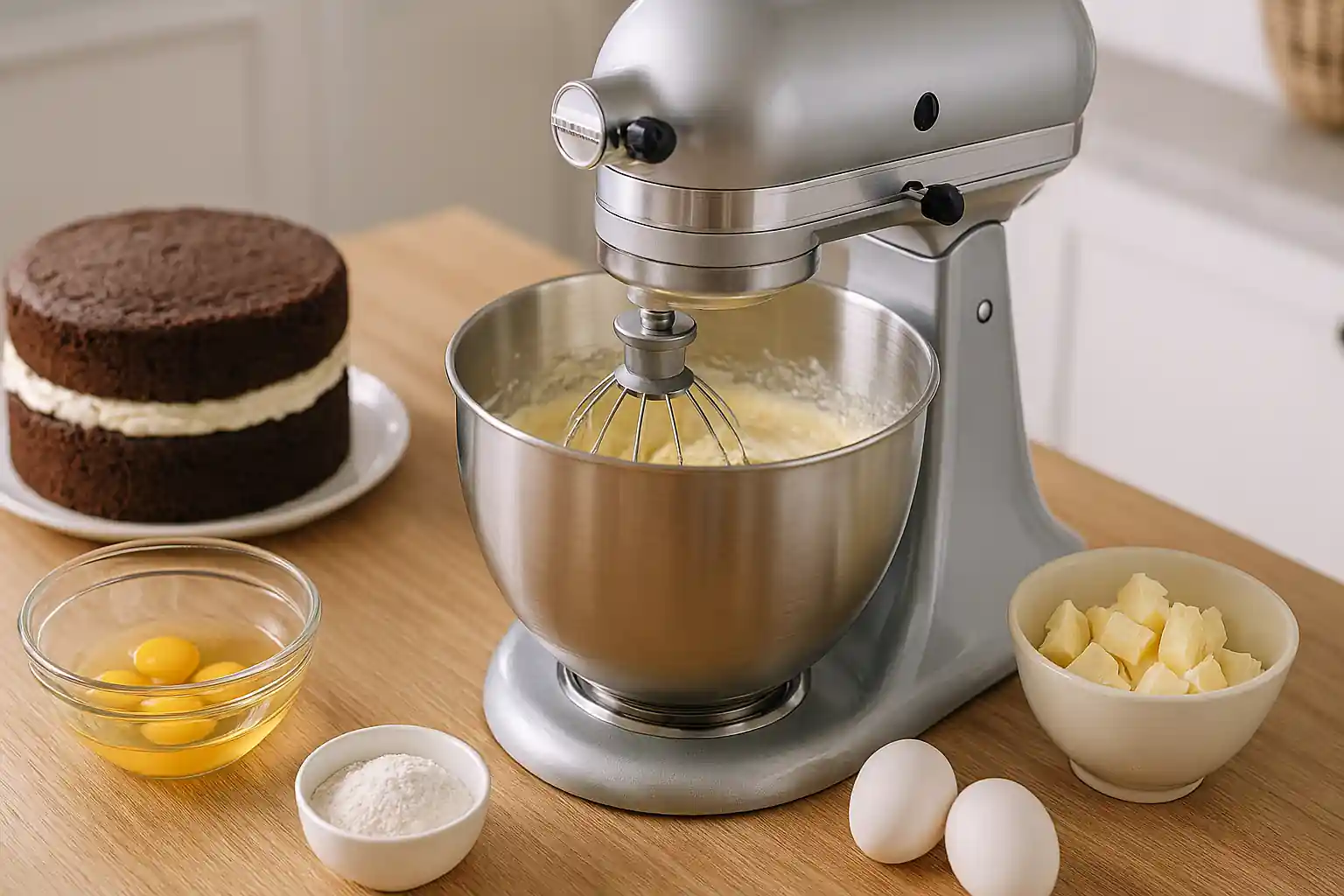 →
→Stand Mixer for Cakes: What to Look For | Best Stand Mixer Buying Guide
Stand Mixer for Cakes: What to Look For Choosing the perfect stand mixer for cakes can be a daunting task, especially with so many models, features, and accessories available. Whether you are a beginner baker or a seasoned home chef, understanding what to look for in a stand mixer can save you time, effort, and … Read more
· 8 min read
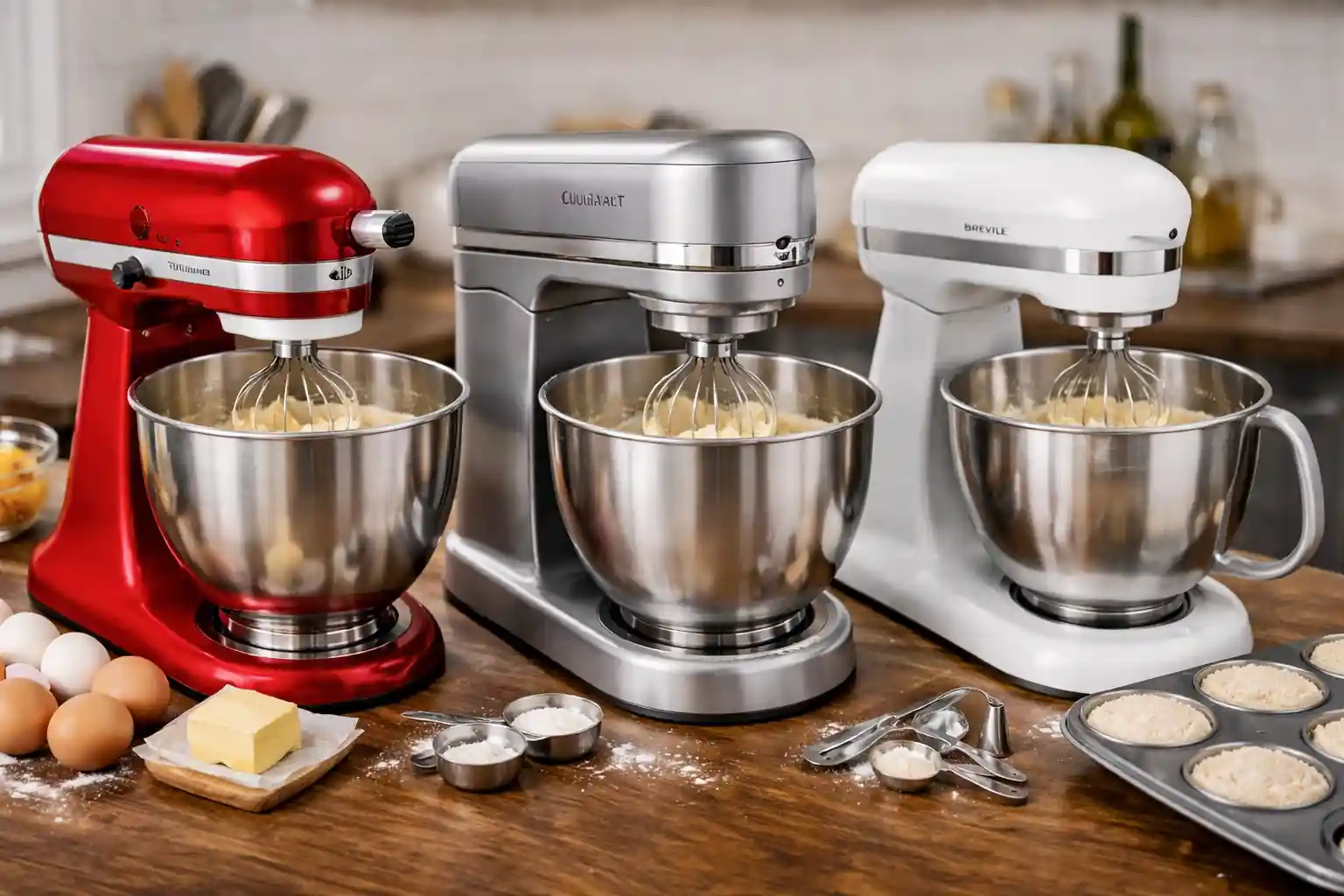 →
→Best Stand Mixer for Beginners: Top KitchenAid, Cuisinart & More Reviewed
Best Stand Mixer for Beginners: A Complete Buying Guide If you’re a home baker, cooking enthusiast, or professional chef, having a reliable stand mixer can transform your kitchen experience. From kneading dense bread doughs to whipping fluffy meringues, the right mixer makes baking easier, faster, and more enjoyable. This guide will cover everything you need … Read more
· 7 min read