Can Chickens Eat Tomatoes? A Guide for Backyard Chickens
Can Chickens Eat Tomatoes? A Complete Guide When it comes to feeding your chickens, it’s essential to know which foods are safe for them to consume. Many backyard chicken keepers wonder whether tomatoes can be added to their chickens’ diet. As an abundant fruit in most gardens, tomatoes are a tempting food to offer to … Read more
By Menu Moments
Menu Moments editorial
Last updated
September 17, 2025
Reading time
5 min
 Buying guide
7
Picks
covered
1 year
Updated
ago
5
Reading
min read
Disclosure: Menu Moments earns a commission on qualifying purchases through some of the links below. Our picks are chosen by the editorial team — never by advertisers. Read the full policy →
Can Chickens Eat Tomatoes? A Complete Guide
When it comes to feeding your chickens, it’s essential to know which foods are safe for them to consume. Many backyard chicken keepers wonder whether tomatoes can be added to their chickens’ diet. As an abundant fruit in most gardens, tomatoes are a tempting food to offer to chickens. But can chickens eat tomatoes safely? In this guide, we will explore the facts, provide helpful tips, and clarify any concerns about feeding tomatoes to your chickens.
Are Tomatoes Safe for Chickens?
Tomatoes are a part of the nightshade family and are enjoyed by many as a healthy food source for humans. But are they safe for chickens to eat? The answer isn’t a simple yes or no. Tomatoes are generally safe for chickens to consume, but moderation is key. Let’s break down why.
What Parts of the Tomato Can Chickens Eat?
It’s important to differentiate between various parts of the tomato plant and their safety for chickens.
-
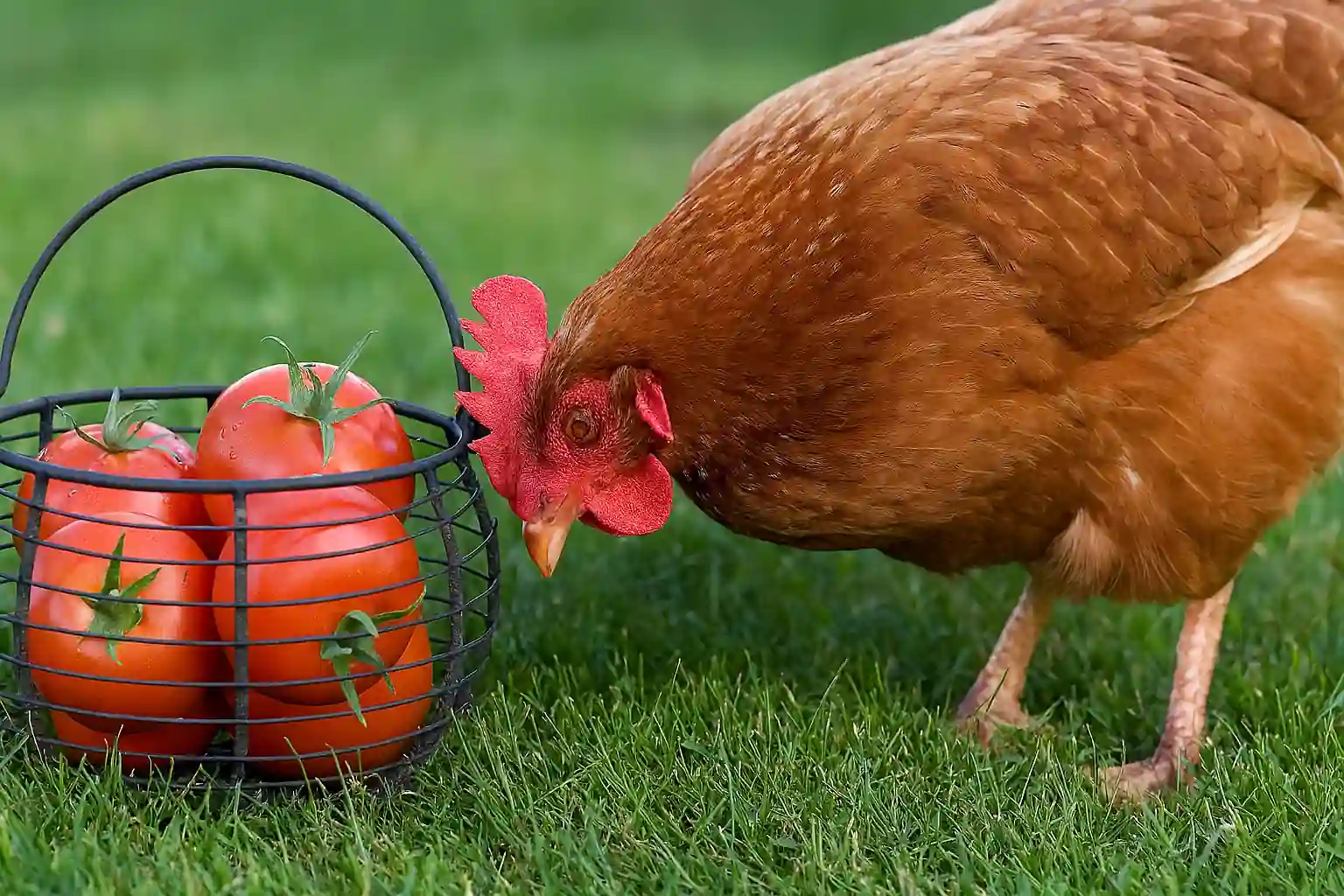
Ripe Red Tomatoes: Fully ripened red tomatoes are safe for chickens to eat and can be a tasty and nutritious treat. They are packed with vitamin C and potassium, both of which are beneficial for your chickens’ health.
-
Unripe Green Tomatoes: Unripe tomatoes, also known as green tomatoes, contain a toxic substance called solanine, which is part of the reason tomatoes belong to the nightshade family. Solanine can be poisonous to chickens if consumed in large quantities. Therefore, unripe tomatoes should be avoided as they can cause digestive issues and even solanine poisoning.
-
Tomato Leaves and Stems: While tomato leaves and stems are also part of the nightshade family, they contain higher levels of solanine and should never be fed to chickens. Even tomato skins can pose a risk if they are from unripe tomatoes. Avoid giving your chickens tomato leaves, as they can cause digestive issues and may be toxic.
Feeding Tomatoes to Chickens: Things to Keep in Mind
When feeding tomatoes to chickens, there are some crucial points to keep in mind:
-
Feed in Moderation: While tomatoes are safe for chickens to eat, feeding chickens tomatoes should be done in moderation. Overfeeding tomatoes, especially unripe or green tomatoes, can cause digestive upset and may result in solanine poisoning. A small amount of ripe tomatoes a few times a week is enough for chickens to enjoy the benefits without any harmful side effects.
-
Ripe Tomatoes Only: Only offer ripe tomatoes to your chickens. Fully ripened tomatoes are the best option as they are nutrient-dense and provide a healthy snack for your flock.
-
Avoid Moldy or Rotten Tomatoes: Moldy tomatoes can be dangerous for chickens, just like any spoiled food. Rotten tomatoes should be avoided entirely. Chickens should only consume fresh, healthy tomatoes that are in good condition.
-
Tomato Seeds: The seeds of ripe tomatoes are generally safe for chickens to eat. They provide essential nutrients like fiber and vitamins, which are beneficial for their overall health.
Health Benefits of Tomatoes for Chickens
If you’re wondering why tomatoes could be a good addition to your chickens’ diet, let’s look at the health benefits they offer:
-
Rich in Vitamin C: Tomatoes are an excellent source of vitamin C, which plays a vital role in boosting the immune system of chickens, supporting their overall health, and ensuring they remain strong and active.
-
Contains Potassium: Potassium is another essential nutrient that tomatoes provide. Potassium helps maintain proper fluid balance in the chickens’ body and supports muscle and heart function.
-
High in Lycopene: Tomatoes are rich in lycopene, a powerful antioxidant that may help protect chickens from harmful free radicals, contributing to their health and longevity.
Can Baby Chicks Eat Tomatoes?
You might be concerned about feeding tomatoes to baby chicks. Since baby chicks are more sensitive than adult chickens, it’s best to wait until they are a bit older before introducing them to tomatoes. Once they are fully weaned and eating solid foods, small amounts of ripe tomatoes can be given as an occasional treat.
However, be sure to cut up the tomatoes into small, manageable pieces so that the chicks can safely eat them.
Are There Any Risks?
While tomatoes are generally safe for chickens when fed properly, there are some risks to be aware of:
-
Solanine Poisoning: As mentioned, the unripe green tomatoes and parts of the tomato plant (leaves, stems) contain solanine, a toxic substance that can cause vomiting, diarrhea, lethargy, and, in severe cases, death. Always ensure that tomatoes are ripe and free from any green parts or leaves.
-
Digestive Issues: Like any new food, tomatoes can cause digestive upset in some chickens, especially if fed in large quantities. It’s essential to introduce tomatoes gradually and monitor for any signs of digestive distress.
-
Choking Hazard: While rare, tomato seeds or skin could pose a choking hazard to some chickens, especially those that are not accustomed to eating larger pieces of food. Make sure to offer tomatoes in small pieces and monitor your chickens while they eat.
Tomatoes as Part of a Balanced Chicken Diet
Tomatoes can be an excellent addition to a balanced diet for your backyard chickens. However, they should not replace their primary food source, which should be high-quality chicken feed. Incorporating a variety of foods, including leafy greens, fruits, and vegetables, alongside their regular feed, helps ensure that your chickens are getting all the necessary nutrients to stay healthy and lay eggs.
It’s important to provide your chickens with access to fresh, clean water at all times. Also, if you’re offering tomatoes or any other fruits as treats, make sure they don’t make up more than 10% of your chickens’ diet. The rest should come from their regular feed, which is designed to meet their nutritional needs.
Wondering if your chickens can enjoy pineapple? This guide on feeding pineapple to chickens covers everything you need to know.
Conclusion: Can Chickens Eat Tomatoes?
Yes, chickens can eat tomatoes, but it’s important to feed them in moderation and ensure that the tomatoes are ripe and free from toxic green parts of the plant. As long as you avoid feeding them unripe tomatoes and tomato leaves, tomatoes can be a nutritious and tasty treat for your chickens, providing them with valuable nutrients like vitamin C, potassium, and lycopene.
As with any new food, introduce tomatoes gradually and monitor for any signs of digestive issues. By feeding your chickens tomatoes safely and moderately, you can offer them a healthy snack that will help support their overall health and wellbeing.
Remember, always feed your chickens a balanced diet, and treat tomatoes as an occasional snack, not a primary food source.
Affiliate disclosure
Menu Moments is a participant in the Amazon Services LLC Associates Program and other affiliate programs. When you buy something through a link on this page, we may earn a small commission at no extra cost to you. Our editorial picks and opinions are independent — we buy, test and recommend only what we'd tell a friend. See our full disclosure policy for details.
Keep comparing
More Affiliate product guides
 →
→Can Dogs Eat Eggplant? Benefits & Safe Feeding Tips
Can Dogs Eat Eggplant? If you’re a dog owner, you might often wonder about the safety of feeding your furry friend various human foods. Among the many vegetables available, eggplant is one that often raises questions. Can dogs eat eggplant? Is it safe for them? In this comprehensive guide, we will explore the nutritional benefits, … Read more
· 5 min read
 →
→Can Chickens Eat Oranges? Safe Backyard Chicken Food Guide
Can Chickens Eat Oranges? Everything You Need to Know As a backyard chicken owner, you may be wondering if it’s safe to treat your chickens with fruit like oranges. Chickens, like many other animals, enjoy a variety of foods, but not everything is good for them. In this guide, we’ll explore whether oranges are safe … Read more
· 5 min read
 →
→Can Chickens Eat Pineapple? Is Pineapple Safe For Backyard Chickens?
Can Chickens Eat Pineapple? If you’re a backyard chicken owner or considering adding chickens to your family, you’re likely curious about what foods are safe and healthy for them to eat. One fruit that might catch your attention is pineapple. After all, pineapple is not only delicious but also packed with nutrients. But can chickens … Read more
· 8 min read