Can Chickens Eat Pineapple? Is Pineapple Safe For Backyard Chickens?
Can Chickens Eat Pineapple? If you’re a backyard chicken owner or considering adding chickens to your family, you’re likely curious about what foods are safe and healthy for them to eat. One fruit that might catch your attention is pineapple. After all, pineapple is not only delicious but also packed with nutrients. But can chickens … Read more
By Menu Moments
Menu Moments editorial
Last updated
December 3, 2025
Reading time
8 min
 Buying guide
12
Picks
covered
10 months
Updated
ago
8
Reading
min read
Disclosure: Menu Moments earns a commission on qualifying purchases through some of the links below. Our picks are chosen by the editorial team — never by advertisers. Read the full policy →
Can Chickens Eat Pineapple?
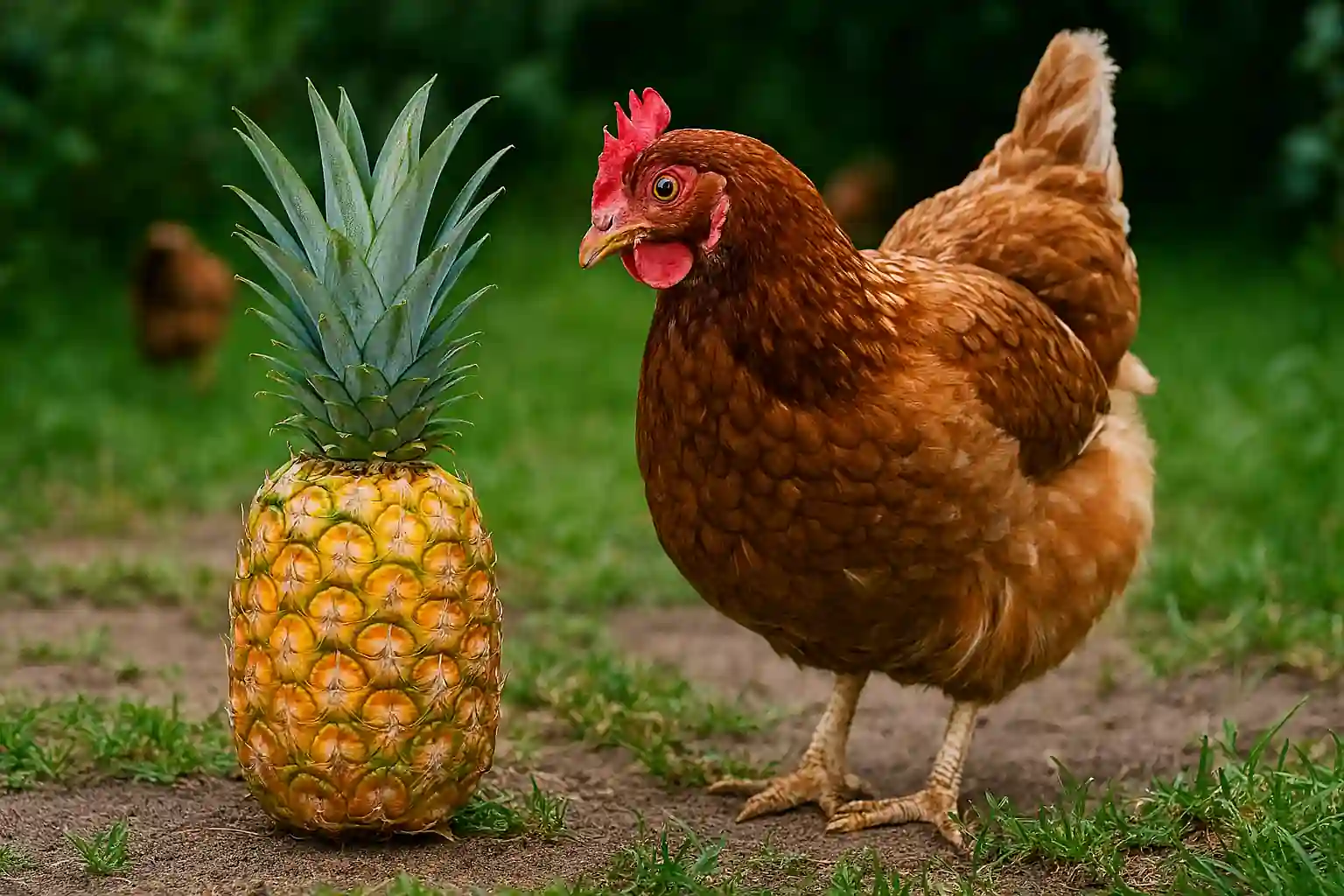
If you’re a backyard chicken owner or considering adding chickens to your family, you’re likely curious about what foods are safe and healthy for them to eat. One fruit that might catch your attention is pineapple. After all, pineapple is not only delicious but also packed with nutrients. But can chickens eat pineapple? Let’s dive into this topic, covering everything you need to know about feeding pineapple to your chickens, the benefits, the risks, and how to do so in moderation for optimal health.
Can Chickens Eat Pineapple?
Chickens can indeed eat pineapple. In fact, chickens love pineapple due to its sweet taste and juicy texture. Whether you’re feeding your chickens fresh pineapple, canned pineapple, or dried pineapple, they are generally safe to eat it in moderation. However, there are a few important factors to consider when adding pineapple to your chickens’ diet.
Pineapple for Chickens: Benefits and Nutrients
Pineapple is packed with essential vitamins and minerals, making it a healthy treat when offered correctly. Here’s why pineapple can be good for your chickens:
-
Vitamin C: Pineapple is an excellent source of vitamin C, which helps in boosting the immune system of chickens. Vitamin C supports overall health and can help chickens recover from illness faster.
-
Bromelain: Pineapple contains bromelain, an enzyme that is known to aid in digestion. Bromelain can help break down proteins, improving your chickens’ digestive health.
-
Vitamin B6 & Thiamine: Pineapple is rich in vitamin B6 and thiamine, which are essential for the nervous system and overall energy levels in chickens.
-
Manganese: Pineapple is also a good source of manganese, which is crucial for bone health, egg shell formation, and maintaining healthy skin.
How to Feed Pineapple to Chickens
If you decide to feed pineapple to your chickens, there are a few guidelines you should follow to ensure their safety and health.
-
Use Fresh Pineapple: Fresh pineapple is the best option for your chickens. It contains more nutrients and is free from the added sugars or preservatives that might be found in canned pineapple.
-
Remove the Core and Skin: Chickens can eat the flesh of the pineapple, but it’s important to remove the tough skin and core before feeding it to them. The skin can be difficult for chickens to digest and could cause digestive issues. The core, while not toxic, can be hard for them to break down and may lead to choking or blockages if not properly managed.
-
Feed in Moderation: While pineapple is nutritious, it is also high in sugar and acidic content. Too much sugar can lead to obesity in chickens and impact their digestive system. Pineapple should be considered a treat, not a main food source. A small piece of pineapple once or twice a week is sufficient to enjoy the benefits without overwhelming their system.
-
Cut Into Small Pieces: To make it easier for chickens to eat, cut the pineapple into small, bite-sized pieces. Chickens tend to peck at their food, so small chunks are ideal for them to pick up and eat.
-
Avoid Canned Pineapple with Added Sugars: While canned pineapple may seem convenient, it often contains added sugar and preservatives. These extra additives can be harmful to chickens, leading to digestive upset and even obesity. Stick to fresh or dried pineapple that is free from these additives.
Can Chickens Eat Pineapple Skin?
No, chickens should not eat pineapple skin. The skin of a pineapple is tough, fibrous, and difficult to digest for chickens. While chickens are capable of eating some tough plant materials, pineapple skin is not suitable for them. It may cause digestive issues and discomfort, so it’s important to remove the skin before offering pineapple to your chickens.
Are There Any Risks of Feeding Pineapple to Chickens?
While pineapple can be a healthy treat for chickens when fed in moderation, there are some risks you should be aware of:
-
High Sugar Content: Pineapple is naturally high in sugar, which can cause obesity and other health issues in chickens if consumed in large amounts. Sugar should never make up a significant portion of your chickens’ diet. Feeding pineapple in moderation helps ensure that chickens don’t experience negative effects like weight gain or digestive issues.
-
Acidic Content: Pineapple is highly acidic, which can lead to digestive problems if fed in excess. Acidic foods can disrupt the balance of your chicken’s digestive tract, leading to upset stomachs, diarrhea, or discomfort.
-
Digestive Issues from Large Amounts: Overfeeding pineapple to chickens can lead to digestive issues, including diarrhea or stomach cramps. Their digestive system is not built to process large amounts of fruit, especially when it’s high in sugar and acid.
-
Choking Hazards: Pineapple cores, while not toxic, can pose a choking hazard to chickens. Ensure that the core is removed and that pineapple pieces are small enough to be easily eaten.
-
Toxic to Chickens in Large Quantities: While pineapple is not toxic to chickens, eating large amounts of it could cause problems due to the excess sugar and acidity. Always feed pineapple as a treat rather than a staple of their diet.
How Much Pineapple Should You Feed Chickens?
The key to feeding your chickens pineapple is moderation. While it’s full of nutrients, its high sugar content means it should only be fed occasionally. A small amount—around a few chunks, one or two times per week—is sufficient for chickens to enjoy the benefits of the fruit without causing any digestive or health problems.
If you have multiple chickens, make sure they all get a chance to peck at the pineapple. Chickens are naturally social creatures, and some may be more aggressive when it comes to food, so be sure to monitor them while feeding treats.
Feeding Pineapple to Young Chickens (Chicks)
When it comes to chicks, it’s best to wait until they are at least 8 weeks old before introducing pineapple to their diet. Their digestive systems are more sensitive than adult chickens, and feeding them too much sugar or acidic foods can lead to digestive distress. Once they are older, they can enjoy small amounts of pineapple, just like adult chickens.
What Other Fruits Can Chickens Eat?
While pineapple is an excellent treat for chickens in moderation, there are other fruits and vegetables you can feed them as well. Here are some other healthy foods chickens can enjoy:
-
Berries (Blueberries, Strawberries, Raspberries): Rich in antioxidants, these berries are a great option for chickens.
-
Apples (Without Seeds): Apples are a good source of fiber and vitamins. Remove the seeds before feeding.
-
Bananas: Chickens love bananas, and they are rich in potassium and fiber.
-
Watermelon: A hydrating fruit that’s perfect for hot weather.
Avoid Toxic Foods for Chickens
While chickens can enjoy a variety of fruits and vegetables, there are some foods that should be avoided entirely due to their toxicity to chickens. These include:
-
Avocados: Contain persin, which is toxic to chickens.
-
Onions: Can cause anemia in chickens if consumed in large quantities.
-
Chocolate: Toxic to chickens and other animals, even in small amounts.
Wondering if your cat can enjoy yogurt? This guide on cats and yogurt covers everything you need to know.
Best Products to Feed Alongside Pineapple
While pineapple is an excellent occasional treat, chickens thrive on a balanced diet consisting of commercial feeds, grains, and supplements. Here are some of the best products that complement pineapple feeding:
1. Manna Pro Harvest Delight – Whole Ingredient Chicken Treat
-
Product Link: Buy on Amazon
-
Key Features: Harvest Mix of Grains, Raisins, Tomatoes, Carrots, Sunflower Seeds
-
Weight: 2.5 lbs
Review
Manna Pro Harvest Delight is a whole-ingredient treat that chickens love. It provides fiber, protein, and essential nutrients, which makes it an excellent complement to pineapple feeding. The variety of grains and fruits supports digestive health and encourages natural foraging behavior.
Pros and Cons
Pros:
-
Mixed flock suitable
-
Nutrient-rich
-
Encourages pecking and activity
Cons:
-
Should not replace main feed
-
Price slightly higher than basic feed
2. Scratch and Peck Feeds Whole Grain Layer Mash
-
Product Link: Buy on Amazon
-
Weight: 25 lbs
-
Features: Corn-free, soy-free, 16% protein, certified organic
Review
This organic layer mash is perfect for chickens needing a healthy, non-GMO diet. It pairs well with pineapple treats, offering a steady source of protein and fiber without overloading sugar intake.
Pros and Cons
Pros:
-
Organic and non-GMO
-
High protein for strong egg production
-
Corn and soy-free
Cons:
-
Large bag may be heavy for storage
-
Pricier than conventional feed
3. Nutrena NatureWise Meatbird Feed
-
Product Link: Buy on Amazon
-
Weight: 40 lbs
Review
Nutrena NatureWise is a high-protein feed for meatbirds but works well for mixed flocks when used in moderation. It complements pineapple treats without upsetting the digestive balance.
Pros and Cons
Pros:
-
Supports rapid growth
-
Nutritious and well-balanced
-
Large 40 lb bag
Cons:
-
Not specifically designed for layers
-
Overfeeding can lead to obesity
4. Pampered Chicken Mama Backyard Chicken Nesting Herbs
-
Product Link: Buy on Amazon
-
Weight: 16 oz
Review
Pampered Chicken Mama Nesting Herbs protect against mites and insects, supporting overall hen health. While not a main feed, it is an excellent addition to the diet, especially when giving sugary treats like pineapple.
Pros and Cons
Pros:
-
All-natural pest control
-
Promotes nesting comfort
-
Supports flock hygiene
Cons:
-
Small size, requires frequent replenishment
5. GrubTerra Golden Dried Black Soldier Fly Larvae
-
Product Link: Buy on Amazon
-
Weight: 5 lbs
Review
A premium supplement that increases egg production and complements the protein from commercial feed. Adding pineapple in moderation along with this supplement can boost egg-laying and digestive efficiency.
Pros and Cons
Pros:
-
High protein, natural supplement
-
Supports egg production
-
Versatile for wild birds and pets
Cons:
-
May be unusual for some owners
-
Needs proper storage
Feeding Pineapple Safely to Chickens
Tips for Feeding
-
Remove tough skin and crown – Only feed soft, ripe flesh.
-
Feed in moderation – Small portions prevent digestive upset.
-
Balance with commercial feed – Treats should not exceed 10% of diet.
-
Observe chickens – Watch for diarrhea or pecking at uneaten fruit.
Conclusion: Can Chickens Eat Pineapple?
In conclusion, chickens can eat pineapple, and it can be a nutritious treat when fed in moderation. Packed with essential vitamins, bromelain, and antioxidants, pineapple can support your chickens’ digestive health and boost their immune system. However, due to its high sugar and acidic content, it should only be fed occasionally as part of a balanced diet. Remember to remove the skin and core, and feed it in small pieces to avoid any digestive issues. By following these guidelines, you can safely share the sweet, juicy goodness of pineapple with your chickens.
Affiliate disclosure
Menu Moments is a participant in the Amazon Services LLC Associates Program and other affiliate programs. When you buy something through a link on this page, we may earn a small commission at no extra cost to you. Our editorial picks and opinions are independent — we buy, test and recommend only what we'd tell a friend. See our full disclosure policy for details.
Keep comparing
More Affiliate product guides
 →
→Can Dogs Eat Eggplant? Benefits & Safe Feeding Tips
Can Dogs Eat Eggplant? If you’re a dog owner, you might often wonder about the safety of feeding your furry friend various human foods. Among the many vegetables available, eggplant is one that often raises questions. Can dogs eat eggplant? Is it safe for them? In this comprehensive guide, we will explore the nutritional benefits, … Read more
· 5 min read
 →
→Can Chickens Eat Oranges? Safe Backyard Chicken Food Guide
Can Chickens Eat Oranges? Everything You Need to Know As a backyard chicken owner, you may be wondering if it’s safe to treat your chickens with fruit like oranges. Chickens, like many other animals, enjoy a variety of foods, but not everything is good for them. In this guide, we’ll explore whether oranges are safe … Read more
· 5 min read
 →
→Can Chickens Eat Tomatoes? A Guide for Backyard Chickens
Can Chickens Eat Tomatoes? A Complete Guide When it comes to feeding your chickens, it’s essential to know which foods are safe for them to consume. Many backyard chicken keepers wonder whether tomatoes can be added to their chickens’ diet. As an abundant fruit in most gardens, tomatoes are a tempting food to offer to … Read more
· 5 min read