Can Dogs Eat Eggplant? Benefits & Safe Feeding Tips
Can Dogs Eat Eggplant? If you’re a dog owner, you might often wonder about the safety of feeding your furry friend various human foods. Among the many vegetables available, eggplant is one that often raises questions. Can dogs eat eggplant? Is it safe for them? In this comprehensive guide, we will explore the nutritional benefits, … Read more
By Menu Moments
Menu Moments editorial

Can Dogs Eat Eggplant?
If you’re a dog owner, you might often wonder about the safety of feeding your furry friend various human foods. Among the many vegetables available, eggplant is one that often raises questions. Can dogs eat eggplant? Is it safe for them? In this comprehensive guide, we will explore the nutritional benefits, risks, and everything you need to know about feeding eggplant to your dog.
Introduction to Eggplant and Its Benefits
Eggplant, also known as aubergine, is a member of the nightshade family, which includes tomatoes, peppers, and potatoes. It’s widely used in cooking for its mild flavor and versatility. But when it comes to dogs, many pet owners are unsure whether this vegetable is safe to share with their furry companions.
Eggplant for Dogs: Is It Safe?
Yes, dogs can eat eggplant in moderation. The vegetable is non-toxic to dogs, but it must be prepared properly. Raw eggplant contains solanine, a naturally occurring chemical that can be harmful to dogs in significant amounts. For this reason, it is important to cook eggplant before feeding it to your dog. Cooking eggplant reduces solanine levels and makes it safe for dogs to consume.
Benefits of Feeding Eggplant to Dogs
Eggplant contains a variety of nutrients that can benefit your dog when prepared properly:
-
Rich in Antioxidants: Eggplant is packed with antioxidants like anthocyanins, which help reduce inflammation and protect cells from damage caused by free radicals.
-
High in Fiber: The vegetable is an excellent source of dietary fiber, which can aid in digestion and support a healthy gut.
-
Low in Calories: Eggplant is low in calories, making it a good choice for dogs on a weight management diet.
-
Contains Potassium and Vitamin K: Potassium helps regulate blood pressure, while Vitamin K is essential for healthy bones and blood clotting.
How to Safely Prepare Eggplant for Dogs
To safely introduce eggplant into your dog’s diet, follow these guidelines:
-
Cook the Eggplant: Always cook eggplant before feeding it to your dog. Cooking eliminates solanine and makes the vegetable easier for your dog to digest. Boiling, baking, or steaming are great methods for preparing eggplant.
-
Remove the Skin: Eggplant skin can be tough and difficult for dogs to digest. Peel the skin off before serving.
-
Cut into Small Pieces: Slice the eggplant into small, bite-sized pieces to prevent choking hazards.
-
Avoid Seasoning: Don’t season the eggplant with garlic, onions, or any other spices. Many seasonings can be harmful to dogs.
How Much Eggplant Should You Feed Your Dog?
When feeding eggplant to dogs, moderation is key. While it offers several health benefits, it should not make up a large portion of your dog’s diet. A few small pieces of cooked eggplant as an occasional treat are ideal.
-
Small Amounts: Start by feeding small amounts to gauge how your dog’s digestive system responds. A small bite or two of eggplant once a week is usually sufficient.
-
Monitor for Digestive Upset: If you notice any signs of digestive upset such as diarrhea, vomiting, or stomach discomfort, stop feeding eggplant to your dog and consult your veterinarian.
Risks of Feeding Eggplant to Dogs
Although eggplant is generally safe for dogs when prepared correctly, there are some risks associated with feeding it:
-
Raw Eggplant Contains Solanine: Raw eggplant contains solanine, a substance that can cause poisoning in dogs if consumed in large amounts. Cooking the eggplant neutralizes this risk.
-
Eggplant Leaves and Tubers: The leaves and tubers of the eggplant plant contain higher concentrations of solanine and can be toxic to dogs. Always ensure that only the flesh of the eggplant is fed to your dog.
-
Digestive Issues: Overfeeding eggplant can lead to digestive issues such as upset stomach, diarrhea, or vomiting. Introduce eggplant gradually and in moderation to avoid any adverse reactions.
-
Choking Hazard: Eggplant should be cut into small pieces to avoid a choking hazard, especially for smaller dogs.
Can Dogs Eat Fried or Breaded Eggplant?
Fried or breaded eggplant is not recommended for dogs. The oil used in frying can upset your dog’s stomach, and the breadcrumbs or batter often contain ingredients like garlic and onions, which are toxic to dogs. Stick to plain, cooked eggplant without any added oils or seasonings.
Can Dogs Eat Eggplant Parmesan?
Eggplant Parmesan is a popular dish, but it contains several ingredients that are harmful to dogs. The cheese, garlic, and seasoning used in this dish can cause digestive issues and may be toxic in large amounts. Therefore, it is best to avoid feeding your dog eggplant Parmesan.
Should You Consult Your Veterinarian Before Feeding Eggplant?
While eggplant is generally safe for dogs, every dog’s dietary needs and sensitivities are different. Before introducing any new food into your dog’s diet, it’s always a good idea to consult your veterinarian, especially if your dog has food allergies or pre-existing health conditions.
Nutritional Benefits of Eggplant for Dogs
1. Potassium
Eggplant contains potassium, an essential mineral that supports heart and muscle function in dogs. Potassium also helps maintain proper hydration and fluid balance in the body.
2. Vitamin K
Vitamin K is crucial for proper blood clotting and bone health. Feeding eggplant can help ensure your dog gets enough of this vital nutrient.
3. Fiber
The fiber in eggplant supports healthy digestion and helps prevent constipation. It can also regulate blood sugar levels, which is particularly beneficial for dogs with diabetes.
4. Antioxidants
Eggplant is rich in antioxidants, which protect your dog’s cells from oxidative stress and inflammation. This can improve your dog’s overall health and may reduce the risk of chronic conditions such as arthritis.
Alternatives to Eggplant for Dogs
If you’re looking for other healthy vegetables to feed your dog, consider the following alternatives:
-
Carrots: A great source of beta-carotene and fiber.
-
Sweet Potatoes: Packed with vitamins and fiber.
-
Green Beans: Low in calories and high in fiber.
-
Pumpkin: A digestive aid that can help with constipation.
Wondering if your chickens can enjoy oranges? This guide on feeding oranges to chickens covers everything you need to know.
Conclusion: Can Dogs Eat Eggplant?
In conclusion, dogs can eat eggplant, but it must be cooked and served in moderation. When prepared properly, eggplant offers several health benefits, including antioxidants, fiber, and potassium. Always ensure that eggplant is free from seasoning and cut into small, manageable pieces. Avoid raw eggplant, as it contains solanine, which can be harmful to your dog. If you have any concerns, consult your veterinarian before introducing new foods to your dog’s diet.
Enjoyed this?
A recipe, a tip and a link worth clicking — every Sunday.
Free. Weekly. Unsubscribe anytime.
Keep reading
More from Affiliate product guides
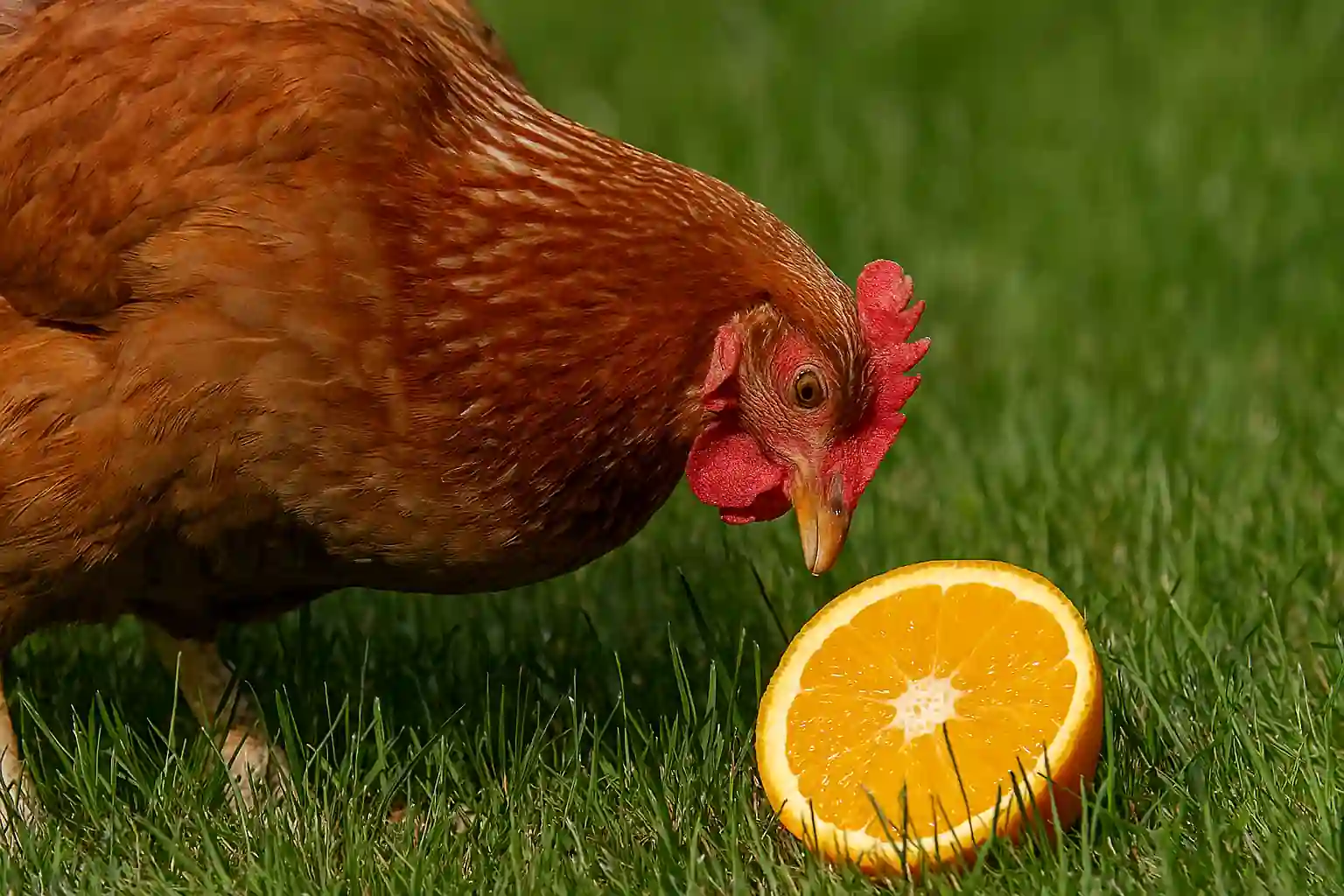 →
→Can Chickens Eat Oranges? Safe Backyard Chicken Food Guide
Can Chickens Eat Oranges? Everything You Need to Know As a backyard chicken owner, you may be wondering if it’s safe to treat your chickens with fruit like oranges. Chickens, like many other animals, enjoy a variety of foods, but not everything is good for them. In this guide, we’ll explore whether oranges are safe … Read more
· 5 min read
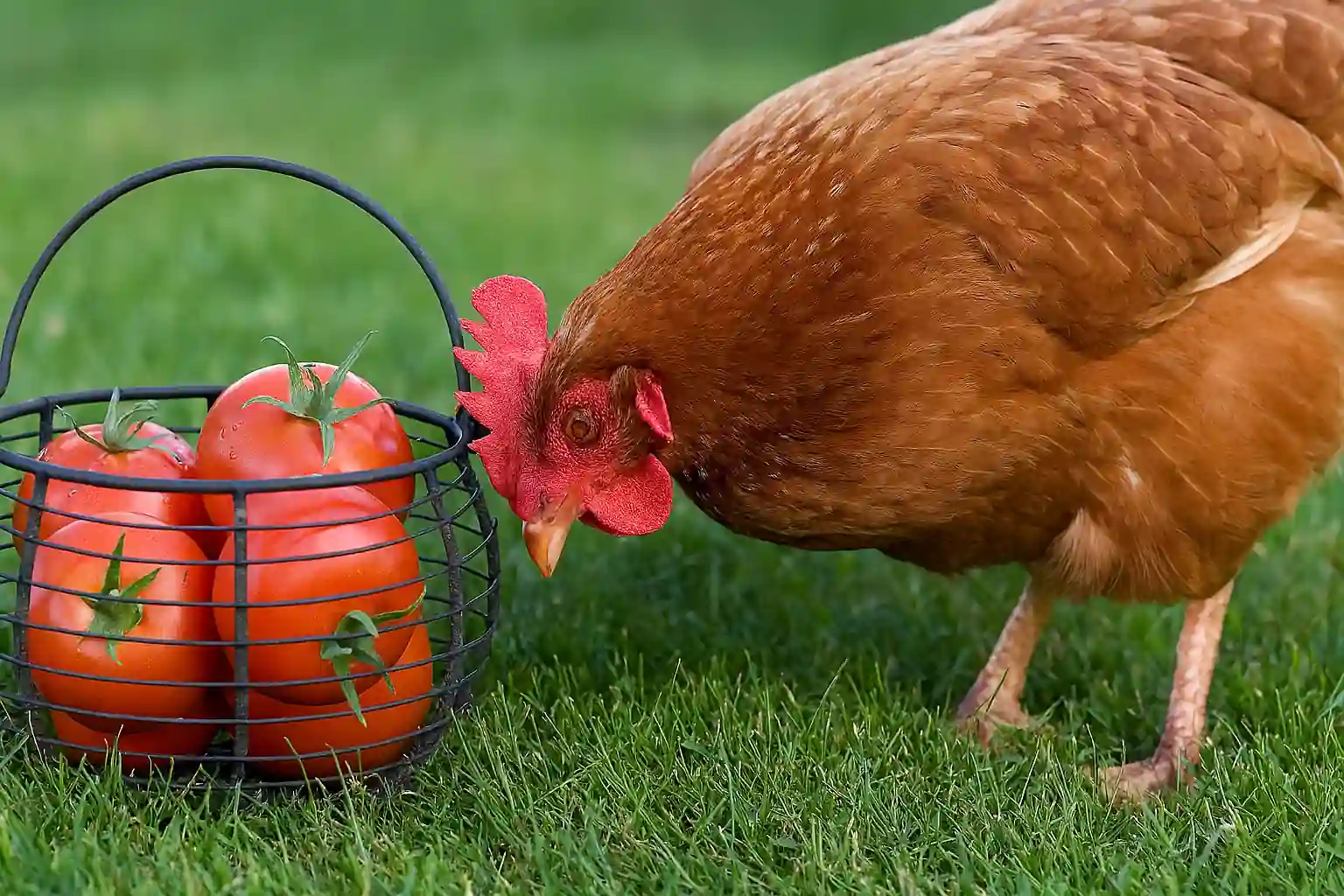 →
→Can Chickens Eat Tomatoes? A Guide for Backyard Chickens
Can Chickens Eat Tomatoes? A Complete Guide When it comes to feeding your chickens, it’s essential to know which foods are safe for them to consume. Many backyard chicken keepers wonder whether tomatoes can be added to their chickens’ diet. As an abundant fruit in most gardens, tomatoes are a tempting food to offer to … Read more
· 5 min read
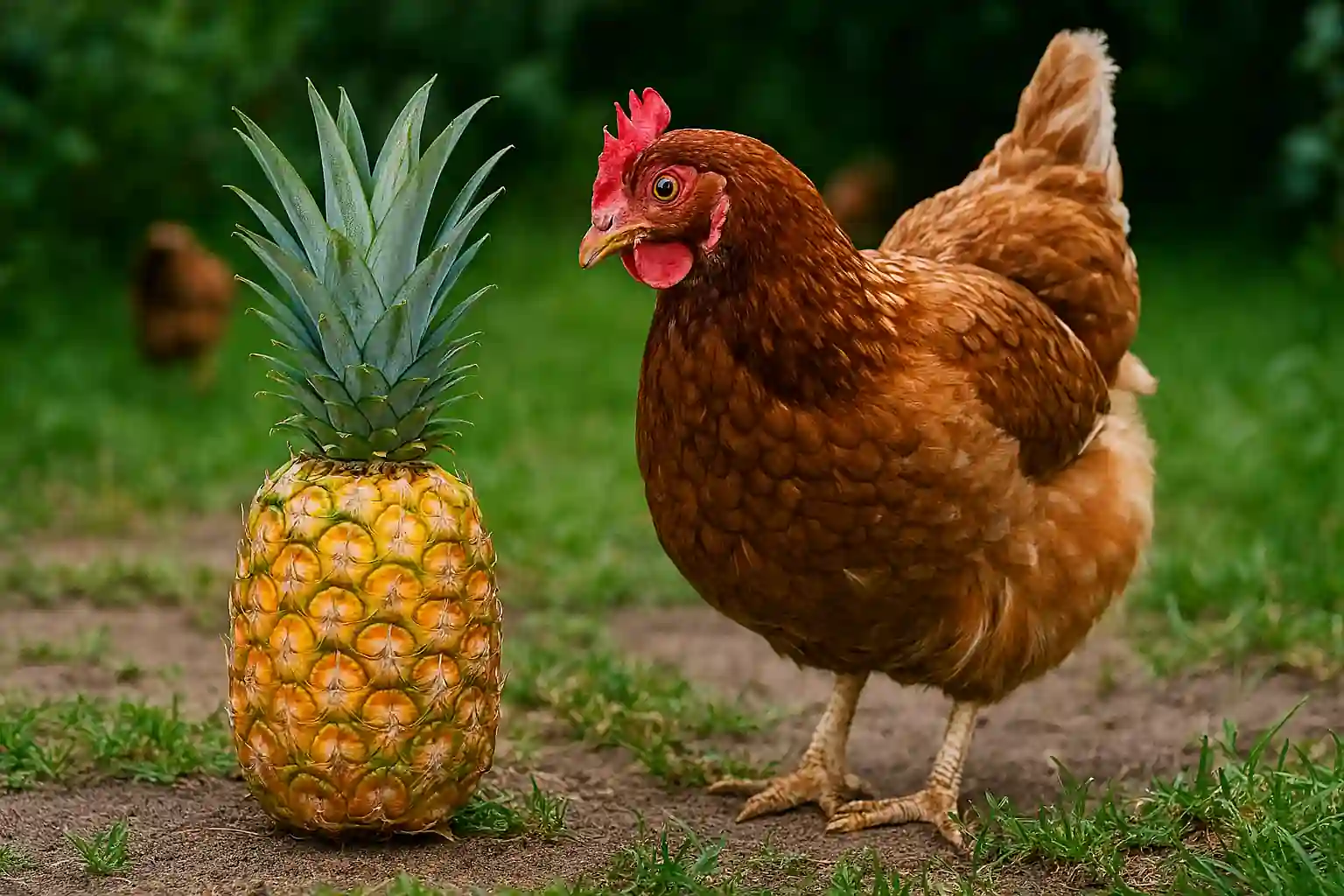 →
→Can Chickens Eat Pineapple? Is Pineapple Safe For Backyard Chickens?
Can Chickens Eat Pineapple? If you’re a backyard chicken owner or considering adding chickens to your family, you’re likely curious about what foods are safe and healthy for them to eat. One fruit that might catch your attention is pineapple. After all, pineapple is not only delicious but also packed with nutrients. But can chickens … Read more
· 8 min read