How to Clean Stainless Steel Pans: Ultimate Guide to Sparkling Stainless Steel Cookware
How to Clean a Stainless Steel Pan: The Ultimate Guide to Stainless Steel Cookware Care Keeping your stainless steel pan spotless and shiny can feel challenging—especially when burnt food, stubborn stains, or cooked-on residue refuse to budge. This comprehensive guide walks you through everything you need to know about stainless steel cookware, how to clean … Read more
By Menu Moments
Menu Moments editorial
Last updated
December 23, 2025
Reading time
10 min
 Buying guide
9
Picks
covered
9 months
Updated
ago
10
Reading
min read
Disclosure: Menu Moments earns a commission on qualifying purchases through some of the links below. Our picks are chosen by the editorial team — never by advertisers. Read the full policy →
How to Clean a Stainless Steel Pan: The Ultimate Guide to Stainless Steel Cookware Care
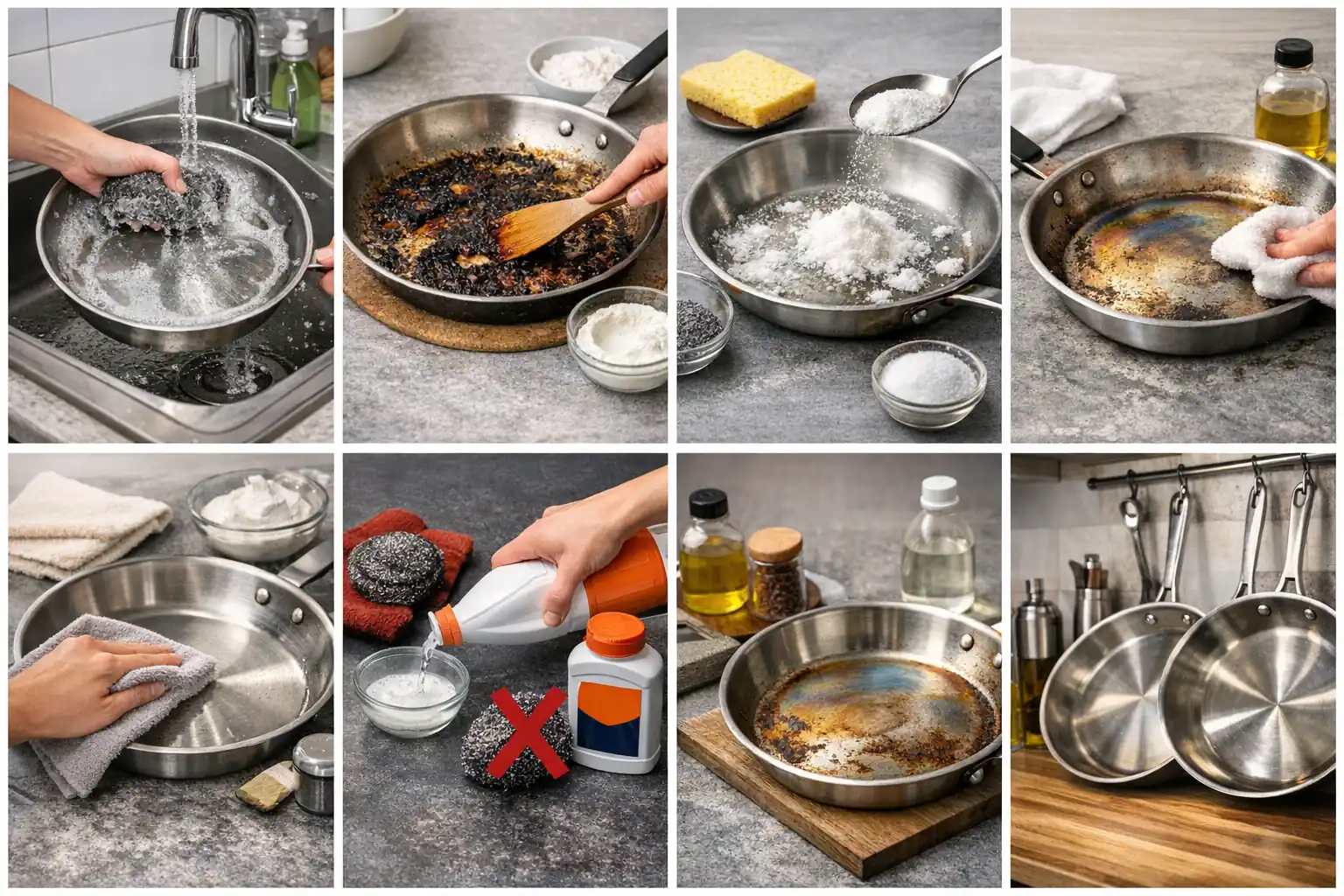
Keeping your stainless steel pan spotless and shiny can feel challenging—especially when burnt food, stubborn stains, or cooked-on residue refuse to budge. This comprehensive guide walks you through everything you need to know about stainless steel cookware, how to clean stainless steel pans properly, how to avoid stains, and which cleaning methods actually work. Whether you use stainless pans daily or occasionally, this article will help you understand why stainless steel cookware remains a favorite in professional kitchens and how to keep your own pans looking brand new. It’s worth reading because it includes step-by-step instructions, expert cleaning tips, and real-world techniques that actually work at home.
1. What Makes a Stainless Steel Pan Unique Compared to Other Cookware?
A stainless steel pan is known for durability, heat control, and versatility. Unlike nonstick pans, a stainless steel pan allows you to cook at medium heat and achieve perfect browning without worrying about coating damage. Stainless steel cookware is commonly used in professional kitchens because it is long-lasting, resistant to scorch marks, and easy to clean once you understand the proper method. The tri-ply construction used in many stainless pans ensures even heating, reducing hot spots that can overheat food.
Stainless steel cookware is also a favorite for those who want a pan that can sauté, sear, caramelize, and boil without reacting with ingredients. The ability to cook with oil or fat safely makes stainless steel the choice for home cooks who want restaurant-level performance. When handled correctly, a stainless steel pan looks elegant, resists fingerprint smudges, and delivers excellent results every time.
Another reason stainless steel cookware stands out is how effortless it is to clean stainless steel with the right approach. Once you become familiar with how to get the pan hot, how to clean stainless steel pans after cooking, and how to rinse and dry them properly, maintaining them becomes second nature.
Learn how to season cast iron properly here: https://menumoments.com/how-to-season-a-cast-iron-pan/
2. Why Does a Stainless Steel Pan Get Stains and Burn Marks?
Many people wonder why a stainless steel pan develops stain or scorch marks over time. These stains occur due to overheating, cooked-on residue, or minerals in water reacting with the steel. When you overheat a hot pan, the oil or fat can burn, leaving discoloration, scorch lines, or stubborn stains that don’t come off with mild dish soap.
Another common cause is failing to allow the pan to cool or soak before scrubbing. If you scrape aggressively or use abrasive cleaners, they can scratch the surface, leaving scratches that make cleaning harder in the future. Even something as simple as cold water hitting a hot pan can cause stain marks or discoloration.
Improper dishwashing can also create issues. Dishwashing stainless steel cookware in a dishwasher often leads to residue buildup, rivet discoloration, or dullness. This is why experts like Martha Stewart recommend handwashing to maintain stainless steel’s gleam and shine.
3. How Do You Clean Stainless Steel Pans Daily for Best Results?
Daily cleaning should be easy if you clean the pan with warm water immediately after cooking. Start by adding a few drops of mild dish soap or soapy water and wipe with a non abrasive sponge. This removes cooked-on residue before it becomes stubborn. Make sure to rinse with hot water and dry thoroughly to prevent water spots.
If the pan still has a light stain or remaining residue, scrub gently using a scrubber made for stainless steel cookware. Avoid steel wool unless absolutely necessary, as it can scratch the surface. Many chefs rely on warm water, a soft sponge, and a gentle cleaner to keep pans spotless during daily dishwashing.
You can also use a stainless steel cleaner occasionally to maintain gleam. If you want your stainless steel pan to stay easy to clean, avoid overheating it and always allow the pan back to room temperature before washing. This prevents warping, scorching, and cooked-on buildup.
4. What’s the Best Way to Remove Stubborn Stains from a Stainless Steel Pan?
Removing stubborn stains requires a deeper cleaning approach. When a stainless steel pan develops tough stains, burnt food spots, or scorch marks, you may need a powerful cleaner like Bar Keepers Friend (BKF). This cleaner, also called bkf, works exceptionally well on stainless steel because it breaks down residue without damaging the surface.
Start by sprinkling BKF over the affected area and mixing it into a light paste using baking soda and water. Scrub the stained areas gently—this usually requires a bit of elbow grease. If the stain is extremely stubborn, allow the pan to soak for a few minutes before scrubbing again. This method makes stainless pans look almost new, and your pan looks refreshed and clean.
For discoloration caused by overheating, using vinegar mixed with water can lift the stain. Simply fill the pan with warm water, add vinegar, boil briefly, and rinse. This helps remove mineral residue and restore the pan’s gleam.
5. How to Clean a Stainless Steel Pan with Vinegar and Baking Soda?
Vinegar is a powerful natural cleaner that helps lift scorch marks, discoloration, and cooked-on residue. To use vinegar effectively, fill the pan halfway with hot water, add vinegar, and allow the pan to boil for a few minutes. The steam lifts stuck-on food and loosens burnt particles. Once cooled, scrub gently with a sponge.
See the best popover pans here: https://menumoments.com/best-popover-pans-bake-perfect-popovers-every-time/
For heavier buildup, use baking soda and water to create a paste. Spread the paste across the stain and scrub with a scotch-brite pad or scrubber designed for stainless steel. This method is excellent for stain removal without abrasive scratching.
After cleaning, rinse with cold water and wipe dry thoroughly to prevent water spots. This simple household method is safe, inexpensive, and extremely effective for maintaining stainless steel cookware.
6. Can You Use a Cleaner or Scrubber on Stainless Steel Cookware?
Yes, you can use cleaner and scrubber tools—but only the right types. A stainless steel pan can handle scrubbing, but abrasive cleaners should be avoided unless absolutely necessary. Using a stainless steel safe cleaner keeps the surface shiny without damaging the protective layer.
Avoid steel wool unless you have extremely stubborn stains or burnt food you must scour off. Steel wool can leave scratches and make future cleaning harder. Instead, use a non abrasive sponge, a stainless-steel-specific scrubber, or gentle cleaning tips recommended by cookware experts.
Scouring pads like Scotch-Brite can be used cautiously, but always scrub in gentle circular motions. After cleaning, rinse and dry completely to avoid residue or water spots. Done correctly, stainless steel cookware will remain spotless and maintain its long-term performance.
7. How to Prevent Burn Marks, Scorching, and Discoloration on Stainless Pans?
The easiest way to prevent burn marks and scorch damage is to cook on medium heat instead of high. Stainless steel does not need extreme heat to cook food properly, and overheating can cause stain marks, discoloration, and residue buildup. Always get the pan hot gradually instead of shocking it with high heat.
Another trick is to allow the pan to preheat and then add oil or fat once it’s warmed. This prevents food from sticking and reduces cooked-on residue after cooking. If you allow the pan to overheat, you risk discoloration or burnt oil stains that are difficult to remove even with cleaner solutions.
Finally, prevent water spots by drying thoroughly after rinsing. Stainless steel cookware shines when treated gently and cleaned consistently. Following these habits will keep your pots and pans looking flawless.
8. What Should You Do When Your Stainless Steel Pan Has Burnt Food Stuck On?
When burnt food clings stubbornly to the pan, don’t scrape aggressively and don’t scratch the surface. Instead, fill the pan with warm water and a few drops of dish soap. Allow the pan to soak long enough for the residue to loosen naturally. This method softens cooked-on particles so they can be removed with minimal elbow grease.
If soaking isn’t enough, boil water in the pan. Heat helps release stuck-on food, and the steam lifts residue without the need for abrasive scrubbing. Once the water cools slightly, scrub with a soft sponge or non abrasive scrubber. The goal is to scour gently without damaging the stainless steel.
For extremely stubborn stains, apply BKF paste and scrub lightly. Once finished, rinse and dry thoroughly. This ensures your stainless steel pan looks spotless again.
9. Should You Boil Water, Steam, or Soak a Stainless Steel Pot or Pan to Clean It?
Yes—boiling, steaming, and soaking are all excellent cleaning tips when dealing with cooked-on residue. A stainless steel pot or pan responds well to hot water treatments because heat helps break down stubborn food bits. Fill the pan with warm water, bring it to a boil, and let steam work its magic.
Allow the pan to soak afterward—it helps lift residue that clings tightly to the steel. Soaking also minimizes the need to scrub hard, reducing the chances of scratches or abrasive marks. This gentle method is widely recommended in cookware guides, including those used in professional kitchens.
When soaking, make sure to submerge the entire surface affected by burnt or stuck-on residue. After soaking, scrub gently and rinse with cool or cold water. Dry thoroughly to prevent water spots or discoloration from minerals.
10. How to Make a Stainless Steel Pan Last Longer and Keep Its Gleam?
To maintain long-term durability, always dry thoroughly after washing. Water spots form easily on stainless steel, so avoiding them preserves the pan’s gleam. Also avoid dishwashing unless the manufacturer recommends it, as dishwashing detergent and heat cycles may leave scratches.
Use mild dish soap for everyday washing, and only use stronger cleaners when stubborn stains appear. Store your stainless steel cookware carefully to avoid banging or scratching. The rivet areas should also be cleaned frequently because residue builds up around them easily.
And remember: proper heat control is the key to longevity. A stainless steel pan performs best at medium heat. When treated properly, it remains easy to clean, resists discoloration, and keeps a spotless shine for years.
Summary: Most Important Things to Remember
-
Always preheat your stainless steel pan at medium heat to avoid scorch marks.
-
Avoid harsh abrasive cleaners and steel wool unless absolutely required.
-
Use vinegar, baking soda, and BKF for stubborn stains.
-
Soak, steam, or boil water in the pan to loosen stuck-on food.
-
Dry thoroughly after rinsing to prevent water spots.
-
Use oil or fat correctly to avoid cooked-on residue.
-
Maintain stainless steel cookware with gentle cleaning habits.
-
Avoid shocking a hot pan with cold water.
-
Scrub gently and avoid scratching the surface.
-
Store pans carefully to maintain their gleam and lifespan.
FAQ Section
1. How do I clean a stainless steel pan without scratching it?
Use a non-abrasive sponge, mild dish soap, and warm water for daily cleaning. Avoid steel wool unless tackling stubborn stains. Always scrub gently in circular motions.
2. Why does my stainless steel pan turn brown or rainbow-colored?
This happens due to overheating, mineral buildup, or burnt oil. Use vinegar or Bar Keepers Friend to remove discoloration.
3. Can vinegar damage stainless steel cookware?
No. Vinegar is safe for stainless steel and helps remove stains, residue, and discoloration—but always rinse and dry thoroughly afterward.
4. What is the fastest way to remove burnt food from a stainless steel pan?
Fill the pan with water, bring it to a boil, let steam loosen the residue, then scrub gently. For tougher spots, apply BKF paste.
5. Is stainless steel cookware dishwasher-safe?
Some pans are, but handwashing is recommended to avoid residue, water spots, and surface dullness.
6. How do I keep stainless steel pans shiny?
Use vinegar, baking soda, or a stainless steel cleaner occasionally. Also, always dry the pan completely after washing.
7. Why does food stick to stainless steel pans?
Food sticks when the pan is not properly preheated or when cooking without enough oil or fat. Always preheat at medium heat before adding ingredients.
8. Can I use baking soda on stainless steel pans?
Yes, baking soda is a safe and effective cleaner for removing stains, burnt areas, and discoloration.
9. How often should I deep clean my stainless steel pans?
If you cook daily, deep cleaning once a week keeps pans spotless and prevents buildup.
10. Should I season a stainless steel pan like cast iron?
No, but you can apply a temporary seasoning layer by heating oil in the pan to improve nonstick performance.
Affiliate disclosure
Menu Moments is a participant in the Amazon Services LLC Associates Program and other affiliate programs. When you buy something through a link on this page, we may earn a small commission at no extra cost to you. Our editorial picks and opinions are independent — we buy, test and recommend only what we'd tell a friend. See our full disclosure policy for details.
Keep comparing
More Kitchen appliances
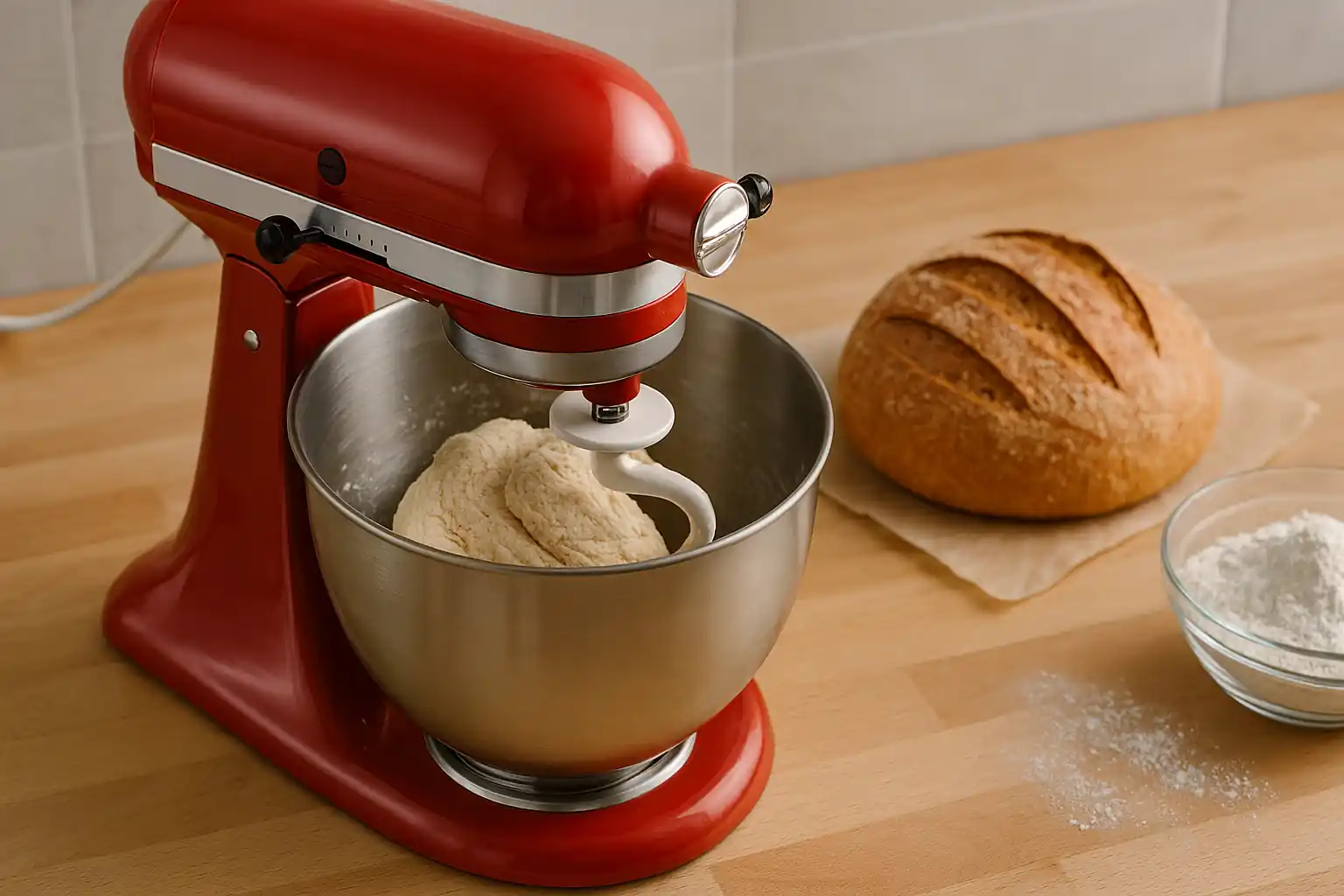 →
→Best Stand Mixer for Bread Dough: Top Picks, Reviews & Buying Guide
Best Stand Mixer for Bread Dough: Ultimate Guide and Reviews Baking bread at home has never been easier, thanks to the versatility and power of modern stand mixers. Whether you’re a beginner baker or a professional looking for a reliable professional stand mixer for bread, choosing the right appliance can make all the difference in … Read more
· 8 min read
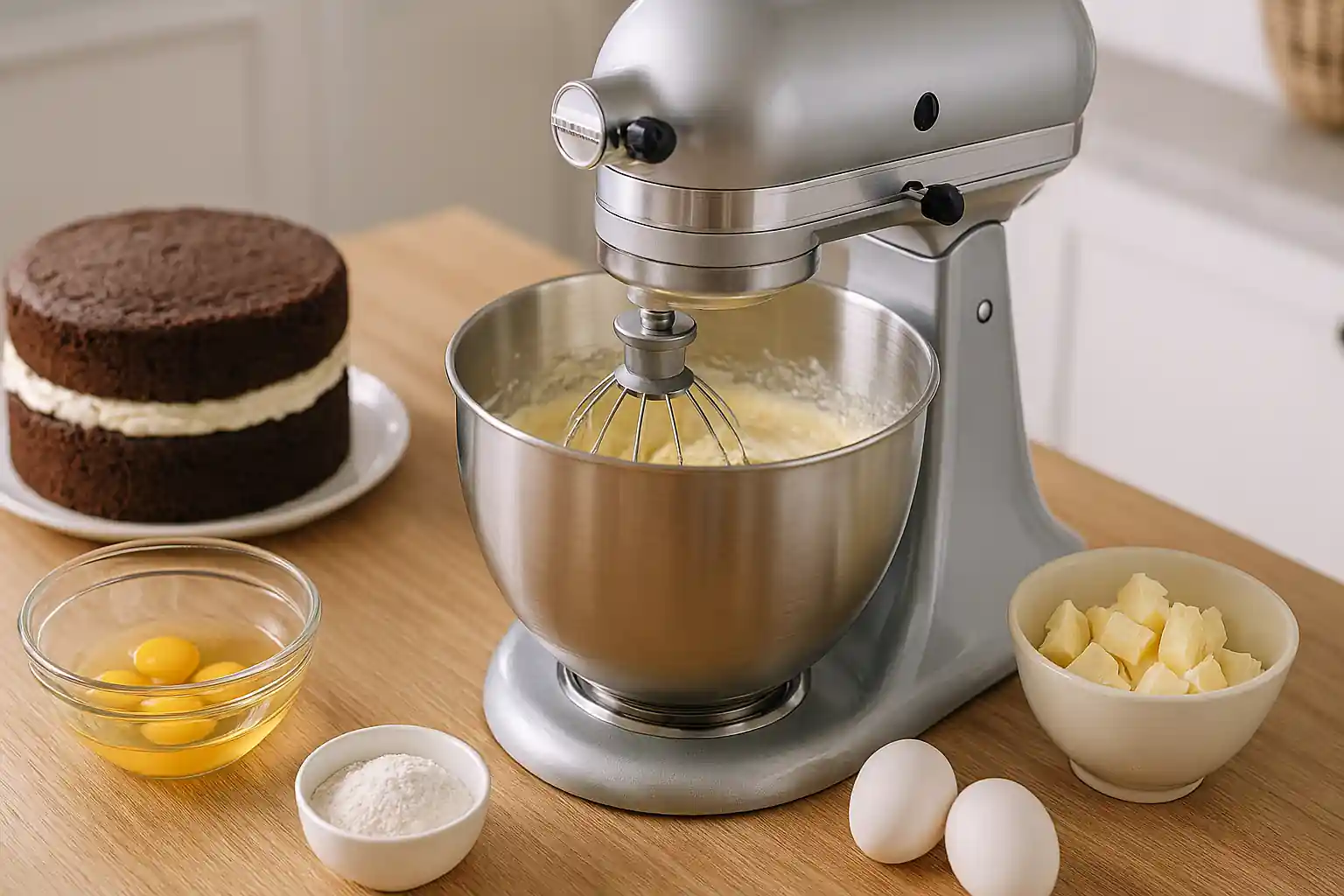 →
→Stand Mixer for Cakes: What to Look For | Best Stand Mixer Buying Guide
Stand Mixer for Cakes: What to Look For Choosing the perfect stand mixer for cakes can be a daunting task, especially with so many models, features, and accessories available. Whether you are a beginner baker or a seasoned home chef, understanding what to look for in a stand mixer can save you time, effort, and … Read more
· 8 min read
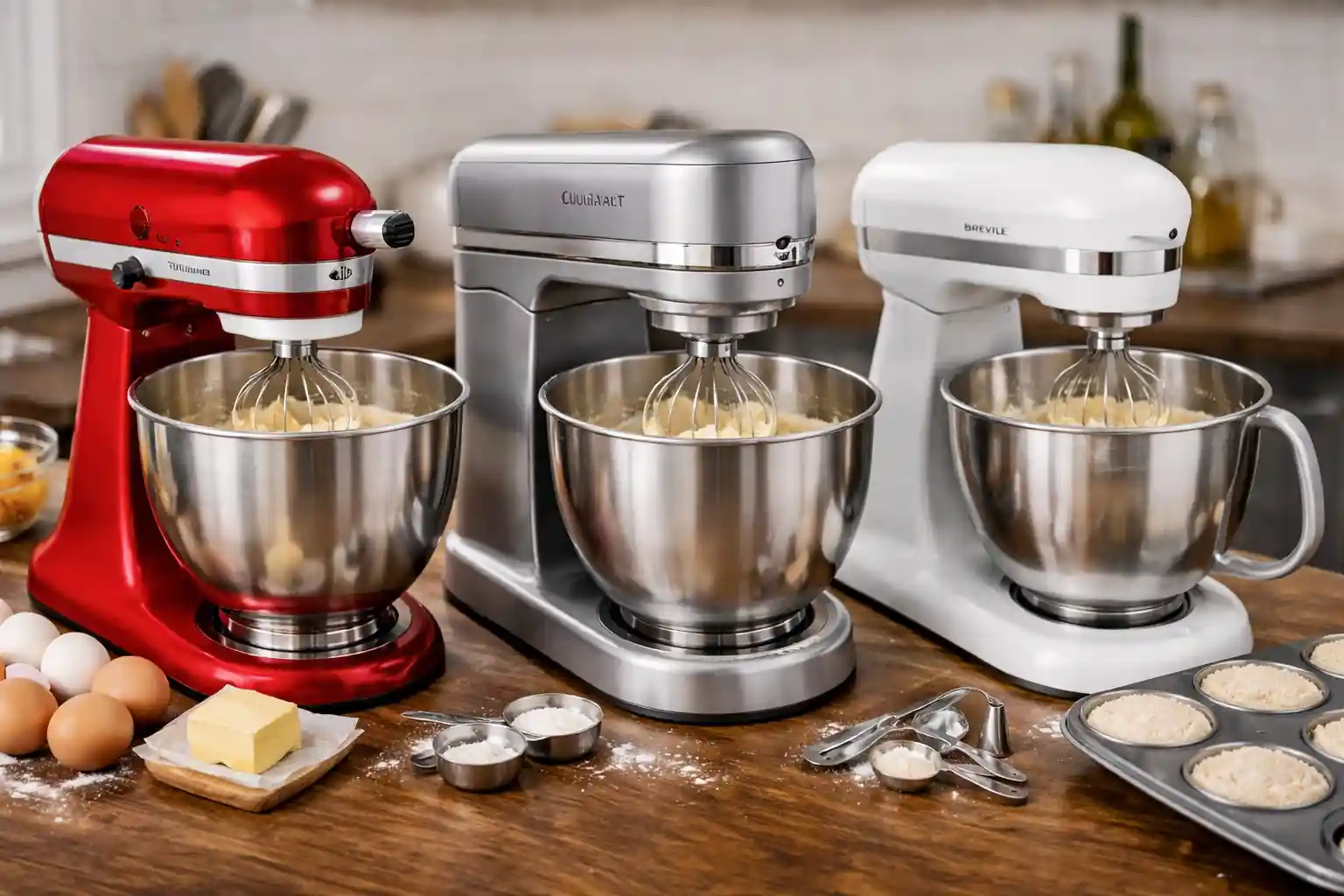 →
→Best Stand Mixer for Beginners: Top KitchenAid, Cuisinart & More Reviewed
Best Stand Mixer for Beginners: A Complete Buying Guide If you’re a home baker, cooking enthusiast, or professional chef, having a reliable stand mixer can transform your kitchen experience. From kneading dense bread doughs to whipping fluffy meringues, the right mixer makes baking easier, faster, and more enjoyable. This guide will cover everything you need … Read more
· 7 min read