Rabbit Diet: Hay & Pellets for Bunnies – Adult & Young Rabbit Food
Rabbit Food: The Ultimate Guide to a Balanced Diet for Your Pet Rabbit When it comes to caring for your pet rabbit, providing the right rabbit food is crucial to their health and well-being. Whether you’re a seasoned rabbit owner or a new bunny parent, understanding the different types of food available for rabbits, from … Read more
By Menu Moments
Menu Moments editorial
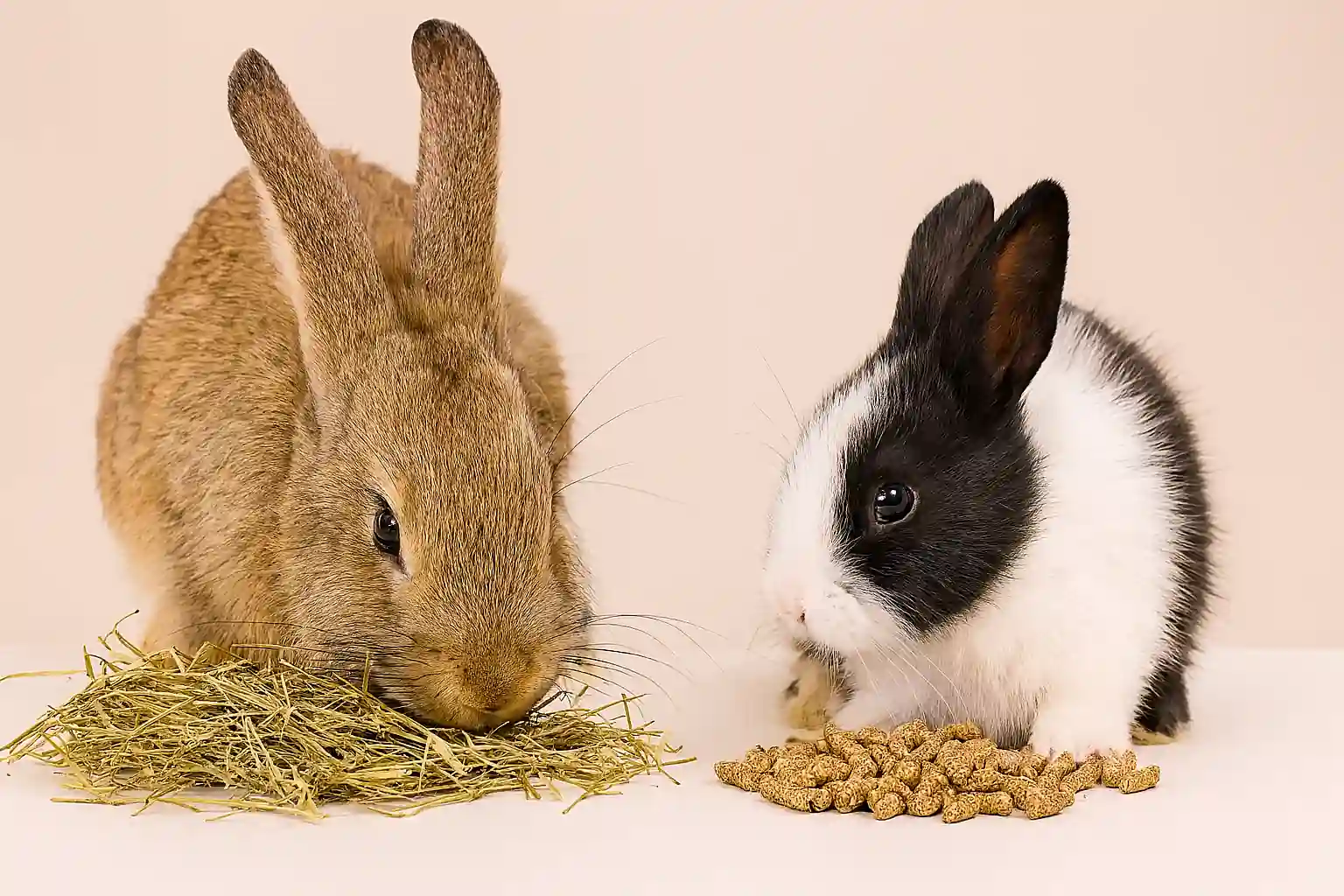
Rabbit Food: The Ultimate Guide to a Balanced Diet for Your Pet Rabbit
When it comes to caring for your pet rabbit, providing the right rabbit food is crucial to their health and well-being. Whether you’re a seasoned rabbit owner or a new bunny parent, understanding the different types of food available for rabbits, from hay to pellets, and how to balance your pet’s diet is essential. This guide provides detailed information about the best food for rabbits, including the various food options, their nutritional benefits, and how to ensure your bunny stays happy and healthy throughout their life.
What is Rabbit Food?
Rabbit food consists of a variety of plant-based options that cater to the nutritional needs of rabbits. It’s important to understand that not all rabbit food is created equal. The most common types of food for rabbits include hay, pellets, fresh vegetables, and some supplemental treats. The key to a balanced rabbit diet is providing a mix of these food types to ensure your bunny gets all the essential nutrients required for a long and healthy life.
Types of Rabbit Food
-
Hay
Hay is an essential part of a rabbit’s diet. It provides fiber, which is necessary for digestive health and maintaining good gut motility. The most commonly recommended types of hay are Timothy hay and grass hay. Hay should always be available in unlimited quantities for your rabbit, as it promotes good digestion and helps prevent obesity.-
Timothy Hay: This is the most popular and widely recommended hay for rabbits. It’s high in fiber, low in calories, and helps with dental health.
-
Alfalfa Hay: Alfalfa hay is higher in calcium and protein, which makes it more suitable for young rabbits (under 7 months) or rabbits with higher energy needs. However, it can lead to kidney problems in adult rabbits if fed in excess.
-
Grass Hay: Grass hay, such as meadow hay, is another excellent option for adult rabbits and provides a great variety of nutrients.
-
-
Pellets
Rabbit pellets are another staple in a rabbit’s diet. These nutrient-dense food sources are specially formulated to meet a rabbit’s dietary needs, but not all pellets are equal. It’s important to choose premium rabbit pellets that are high in fiber, low in fat, and free from artificial additives.-
Timothy-Based Pellets: These are often the best choice for adult rabbits as they are lower in calcium and protein than alfalfa-based pellets.
-
Alfalfa-Based Pellets: These are better suited for young rabbits or rabbits under 7 months of age.
-
Muesli Mixes: Some pet stores offer muesli-style rabbit food, but it’s best to avoid these as they can be too sugary and cause selective eating, which might lead to nutritional imbalances.
-
-
Fresh Vegetables
Rabbits are herbivores, and their diet should consist of a wide range of fresh veggies. Leafy greens, such as romaine lettuce, parsley, and cilantro, are excellent choices.-
Leafy Greens: Include a variety of leafy greens like kale, dandelion greens, and basil in your rabbit’s diet.
-
Fresh Herbs: Fresh herbs like cilantro, parsley, and mint are great additions to their diet.
-
Non-leafy Vegetables: Rabbits can enjoy other vegetables such as bell peppers, carrots (in moderation), and cucumber.
-
-
Fresh Fruit
Fruits should be given in moderation as they are high in sugar, which can lead to digestive issues and obesity in rabbits. A few pieces of fruit, like apples, strawberries, or blueberries, are enough to satisfy their sweet tooth without harming their health.
Rabbit Diet for Different Life Stages
Rabbits have different nutritional needs depending on their age, and it’s important to adjust their diet accordingly.
1. Young Rabbit Food
Rabbits under the age of 7 months require a diet that is rich in protein and calcium to support their growth and development. You should primarily feed them alfalfa hay and alfalfa-based pellets, as these are higher in essential nutrients that young rabbits need. Fresh vegetables should also be introduced gradually at this stage, with a focus on safe, rabbit-friendly options.
2. Adult Rabbit Diet
Once rabbits reach the age of 1 year, their dietary needs change. They no longer require the high levels of calcium and protein found in alfalfa hay. At this stage, adult rabbits should be fed Timothy hay and high-quality rabbit pellets made from Timothy or other grass-based hays. The focus should be on providing a balanced diet with plenty of fiber to keep their digestive system healthy. Fresh vegetables and herbs should continue to be a regular part of their diet, but high-sugar fruits should be offered only occasionally.
3. Senior Rabbit Diet
As rabbits age, they may develop specific dietary needs such as the need for easier-to-digest foods or a reduction in the amount of high-calcium foods. Senior rabbits often need a lower-protein, higher-fiber diet. Continue offering them grass hay, but it may be necessary to provide softer hays or more easily digestible fresh vegetables.
The Importance of Fiber in Rabbit Food
Fiber is one of the most important components of a rabbit’s diet. It helps support healthy digestion, maintain healthy teeth, and prevent obesity. In fact, a lack of fiber in a rabbit’s diet can lead to serious digestive issues, including GI stasis (a condition where the digestive system slows down), obesity, and tooth issues.
Rabbit Pellets: How to Choose the Best One
When selecting premium rabbit pellets for your pet, look for those that:
-
Are high in fiber (around 18-25%)
-
Contain no seeds or nuts, which can cause digestive problems.
-
Do not contain artificial colors or preservatives.
-
Are made with high-quality ingredients like alfalfa, Timothy hay, and grass hay.
The best rabbit food for adult rabbits should be made from Timothy hay pellets and be free from excessive fat, sugar, and protein content. Rabbit pellets should be fed in moderation, as overfeeding can lead to obesity.
The Digestive System of a Rabbit
Rabbits have a complex digestive system that is designed to process fibrous foods like hay and grass. Their digestive systems require a high-fiber diet to remain healthy. The fiber helps push food through the digestive tract and prevents problems like constipation and GI stasis.
Providing your rabbit with a diet rich in hay ensures that they maintain a healthy digestive system. Timothy hay and grass hay are especially beneficial because they provide the necessary fiber to keep things moving.
The Right Way to Feed Your Rabbit
-
Unlimited Hay
Always ensure that your rabbit has unlimited access to high-quality hay. Hay should make up about 80% of your rabbit’s diet, with a variety of fresh vegetables, pellets, and occasional fruit making up the remaining 20%. -
Portion Control for Pellets
While rabbit pellets are an important part of a rabbit’s diet, they should not be overfed. The ideal portion size depends on the rabbit’s age, weight, and activity level. For an adult rabbit, about 1/4 cup of pellets per 5 pounds of body weight is sufficient. -
Fresh Water
Always provide fresh, clean water for your rabbit. They need access to water at all times to stay hydrated, and it’s essential for digestion. -
Clean Feeding Area
Ensure that the bowls and feeders you use are clean to avoid contamination. Heavy ceramic bowls are ideal for holding pellets and water, as they are sturdy and difficult to tip over.
Treats and Snacks for Your Rabbit
Treats should only be given occasionally and should not replace the core components of your rabbit’s diet. Always opt for rabbit-safe treats that are specifically designed for rabbits, and avoid sugary or high-fat human foods. You can offer fresh, healthy treats like small pieces of apple, carrot, or banana.
Common Mistakes to Avoid in Feeding Your Rabbit
-
Overfeeding Pellets: Pellets are calorie-dense, and overfeeding can cause obesity and digestive problems. Limit pellet intake and ensure that hay is the primary food source.
-
Feeding Too Much Fruit: While fruits are tasty, they are high in sugar and should only be fed in small quantities. Too much fruit can lead to diabetes and other health issues.
-
Not Offering Enough Hay: Hay should be available to your rabbit at all times. It’s the foundation of a healthy diet and is necessary for proper digestion.
-
Ignoring Fresh Veggies: Fresh vegetables should be a regular part of your rabbit’s diet, but they should always be introduced gradually.
Want to know the best fish food flakes and pellets for your tank? Read this aquarium fish food guide to learn more.
Conclusion: Feeding Your Rabbit the Best Diet
In conclusion, a balanced rabbit diet consists primarily of hay, pellets, fresh vegetables, and fruit in moderation. By offering a variety of nutritious foods, you can ensure your rabbit stays healthy, happy, and active.
Ensure that your pet rabbit always has access to high-quality hay and fresh vegetables for optimal digestion and overall health. Avoid overfeeding pellets and high-sugar fruits, and provide plenty of fresh water to keep your rabbit hydrated.
With the right diet, your rabbit can live a long, healthy, and happy life, providing you with years of companionship and joy.
Enjoyed this?
A recipe, a tip and a link worth clicking — every Sunday.
Free. Weekly. Unsubscribe anytime.
Keep reading
More from Affiliate product guides
 →
→Can Dogs Eat Eggplant? Benefits & Safe Feeding Tips
Can Dogs Eat Eggplant? If you’re a dog owner, you might often wonder about the safety of feeding your furry friend various human foods. Among the many vegetables available, eggplant is one that often raises questions. Can dogs eat eggplant? Is it safe for them? In this comprehensive guide, we will explore the nutritional benefits, … Read more
· 5 min read
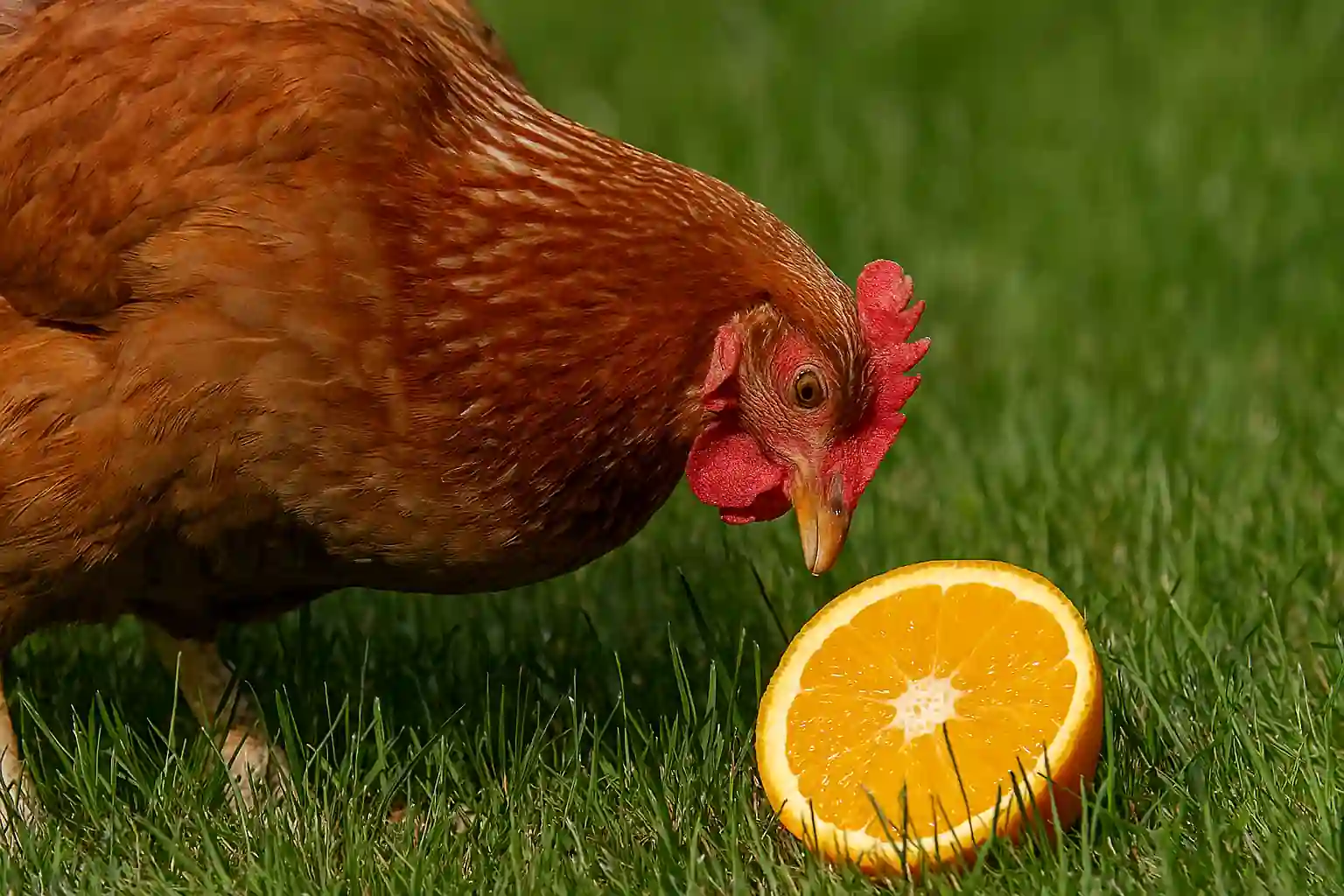 →
→Can Chickens Eat Oranges? Safe Backyard Chicken Food Guide
Can Chickens Eat Oranges? Everything You Need to Know As a backyard chicken owner, you may be wondering if it’s safe to treat your chickens with fruit like oranges. Chickens, like many other animals, enjoy a variety of foods, but not everything is good for them. In this guide, we’ll explore whether oranges are safe … Read more
· 5 min read
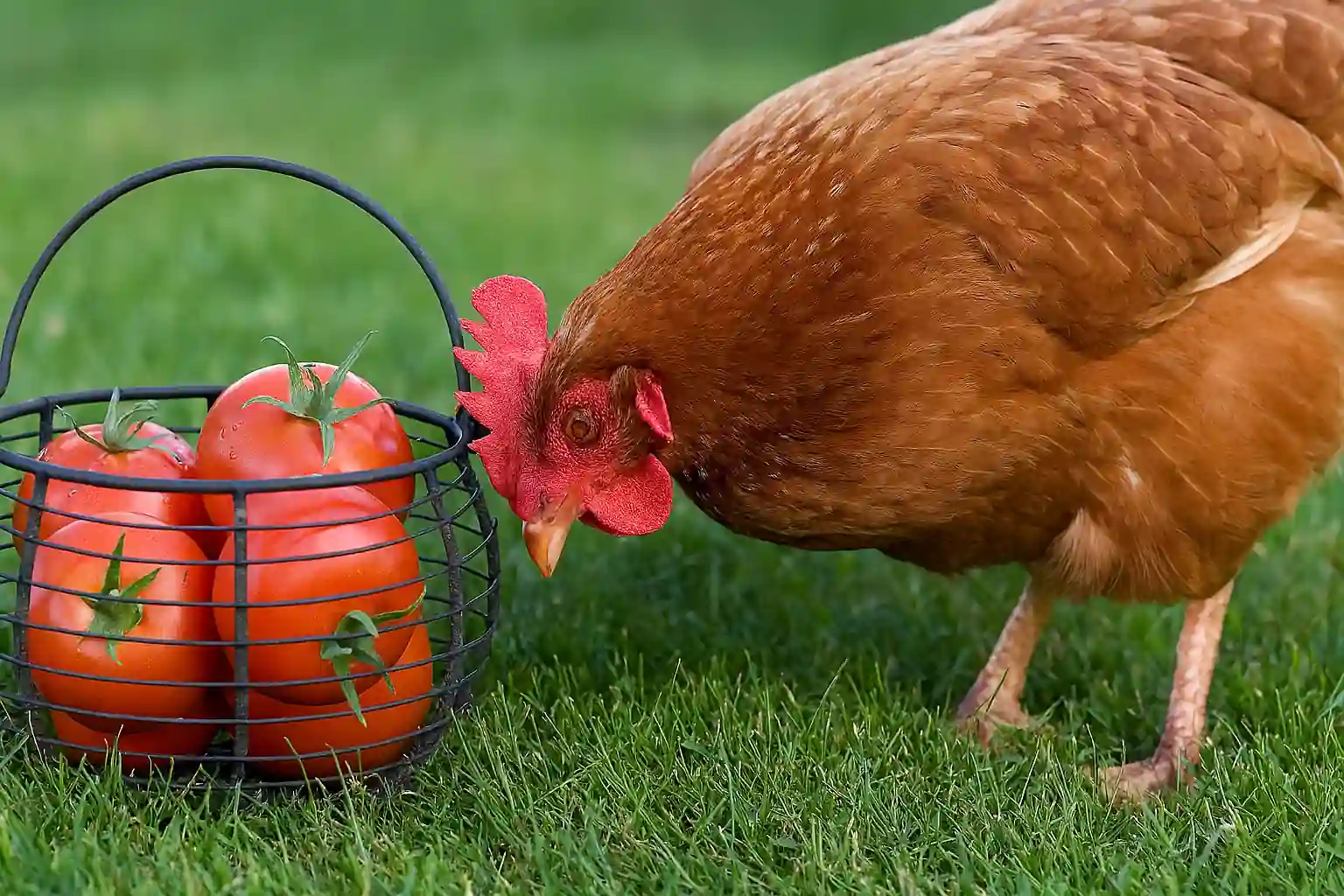 →
→Can Chickens Eat Tomatoes? A Guide for Backyard Chickens
Can Chickens Eat Tomatoes? A Complete Guide When it comes to feeding your chickens, it’s essential to know which foods are safe for them to consume. Many backyard chicken keepers wonder whether tomatoes can be added to their chickens’ diet. As an abundant fruit in most gardens, tomatoes are a tempting food to offer to … Read more
· 5 min read