Stand Mixer vs Hand Mixer: Which One Is Right for Your Baking Needs?
Stand Mixer vs Hand Mixer: Which One Do You Need? Baking and cooking have evolved over the years, and modern kitchens now feature a variety of appliances designed to make our culinary tasks easier, faster, and more precise. Among these, stand mixers and hand mixers are staples for both home bakers and professional chefs. Choosing … Read more
By Menu Moments
Menu Moments editorial
Last updated
December 23, 2025
Reading time
7 min
 Buying guide
12
Picks
covered
9 months
Updated
ago
7
Reading
min read
Disclosure: Menu Moments earns a commission on qualifying purchases through some of the links below. Our picks are chosen by the editorial team — never by advertisers. Read the full policy →
Stand Mixer vs Hand Mixer: Which One Do You Need?
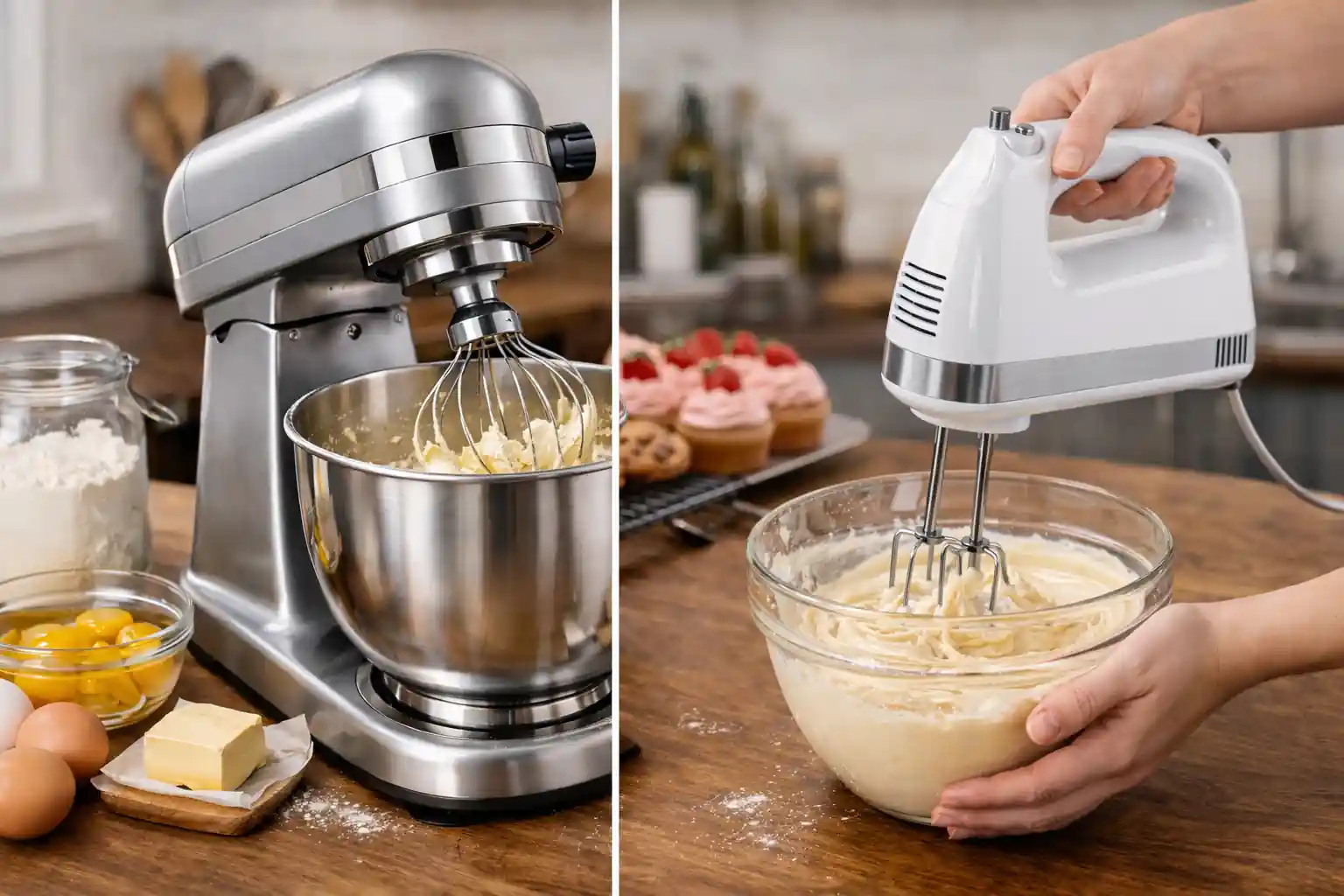
Baking and cooking have evolved over the years, and modern kitchens now feature a variety of appliances designed to make our culinary tasks easier, faster, and more precise. Among these, stand mixers and hand mixers are staples for both home bakers and professional chefs. Choosing between a stand mixer vs hand mixer can seem straightforward, but there are many factors to consider: your baking frequency, the type of recipes you prepare, kitchen space, budget, and the level of convenience you want.
In this guide, we’ll dive deep into the differences, advantages, limitations, and ideal use cases of stand mixers and hand mixers, helping you make an informed choice for your kitchen.
Stand Mixer vs Hand Mixer: Quick Comparison Snapshot
When deciding between a hand mixer or stand mixer, it’s helpful to understand their core differences in terms of power, performance, capacity, and convenience.
| Feature | Stand Mixer | Hand Mixer |
|---|---|---|
| Motor Power | High-powered, suitable for dense dough | Moderate, sufficient for light mixing |
| Mixing Capacity | Large batches, heavy dough | Small to medium batches |
| Hands-Free Operation | Yes | No, requires holding |
| Attachments & Versatility | Multiple attachments: dough hook, whisk attachment, paddle/beater, optional pasta maker, grinder | Limited attachments, mostly beaters and whisk |
| Ease of Cleaning | Detachable bowls, generally easier to clean | Small, easy to store but can be messy |
| Storage | Bulky, takes counter space | Compact, easy to store |
| Price | Expensive (higher initial cost) | Affordable / budget-friendly |
| Best For | Frequent bakers, heavy dough, multi-tasking | Occasional bakers, small batches, quick tasks |
What Is a Stand Mixer?
A stand mixer is a multi-functional kitchen appliance designed for hands-free mixing. It comes with various attachments such as a dough hook, paddle attachment, whisk attachment, and beater, allowing it to handle mixing cake batter, kneading bread dough, whipping cream, and much more. Stand mixers are typically heavy-duty appliances with powerful motors, capable of mixing large batches with consistent results.
Stand mixers are ideal for frequent bakers who regularly prepare recipes involving heavy dough, bread, pizza, or multi-batch cakes. The hands-free operation makes it possible to multitask while baking, saving both time and physical effort.
For a detailed guide on stand mixers, you can check our in-depth article here: Stand Mixer Buying Guide: How to Choose the Best Stand Mixer for Baking & Cooking.
What Is a Hand Mixer?
A hand mixer, also known as an electric mixer, is a portable, lightweight appliance designed for small to medium tasks. It comes with beater attachments or a whisk attachment and is perfect for mixing cake batter, whipping cream, beating eggs, and preparing small batches of cookie dough or muffins.
Hand mixers are particularly suitable for occasional bakers, those with limited kitchen space, or those who only need to prepare light mixtures. They require manual effort, meaning you need to hold the mixer while it works, but they offer the advantage of portability and easy storage.
To learn more about stand mixers and their pros and cons, visit: What Is a Stand Mixer? Advantages & Disadvantages.
Stand Mixer Advantages vs Hand Mixer
When comparing stand mixer benefits and hand mixer benefits, several key differences emerge:
Power and Performance
Stand Mixer:
-
Equipped with high-powered motors.
-
Can handle dense doughs, including bread and pizza dough.
-
Offers consistent results for large batches.
Hand Mixer:
-
Moderate power, suitable for lighter tasks.
-
Best for whipping cream, egg whites, or cake batter.
-
Not ideal for heavy dough or prolonged use.
Mixing Capacity
Stand Mixer:
-
Handles large batch mixing, perfect for frequent bakers.
-
Ideal for kneading bread dough or preparing multi-batch cakes.
Hand Mixer:
-
Best for small batch mixing.
-
Limited capacity; not ideal for heavy or dense dough.
Convenience and Hands-Free Operation
Stand Mixer:
-
Hands-free operation allows multitasking.
-
Saves physical effort and arm fatigue.
Hand Mixer:
-
Must be held during operation.
-
Can cause arm fatigue during extended mixing.
Versatility and Attachments
Stand Mixer:
-
Multiple attachments including dough hook, paddle, whisk, and optional accessories like pasta makers or grinders.
-
Multi-functional appliance, ideal for frequent bakers seeking flexibility.
Hand Mixer:
-
Typically comes with beater and whisk attachments.
-
Limited versatility; best for basic mixing tasks.
Cleaning and Maintenance
Stand Mixer:
-
Detachable bowls and attachments make cleaning easier.
-
Some models allow dishwasher-safe parts.
Hand Mixer:
-
Small size makes cleaning simpler.
-
Mixing splatter can be an issue, especially with liquid batters.
Hand Mixer Drawbacks vs Stand Mixer Drawbacks
No appliance is perfect. Both hand mixers and stand mixers come with limitations.
Hand Mixer Drawbacks
-
Lesser power, not suitable for heavy dough.
-
Manual effort required; can lead to fatigue.
-
Limited capacity, best for small batches.
-
Fewer attachments, less versatile.
-
Mixing mess, as splatter is common.
Stand Mixer Drawbacks
-
Bulky and heavy, takes up counter space.
-
Higher initial cost, can be expensive.
-
Storage challenges, especially for small kitchens.
-
Not always necessary for casual bakers.
When to Choose a Hand Mixer
A hand mixer is perfect when:
-
You bake occasionally or for small gatherings.
-
You need portability and easy storage.
-
Your kitchen is compact, and countertop space is limited.
-
You primarily prepare light mixtures like whipped cream, frosting, or small cake batters.
-
You have a budget constraint and want an affordable kitchen appliance.
Tasks Hand Mixers Excel At:
-
Whipping cream or meringue
-
Mixing batter for cakes, muffins, or cupcakes
-
Beating eggs
-
Preparing light cookie dough
-
Small batch frosting mixing
When to Choose a Stand Mixer
A stand mixer is ideal for:
-
Frequent bakers who need hands-free operation.
-
Making bread, pizza dough, or large batches of cake batter.
-
Multitasking in the kitchen while the mixer works.
-
Bakers seeking consistent results without manual effort.
-
Those who want multi-functional appliances with versatile attachments.
Tasks Stand Mixers Excel At:
-
Kneading bread, pizza, or pastry dough
-
Large batch mixing
-
Whipping cream, egg whites, or frosting
-
Beating dense cookie dough
-
Pasta or grinding (with additional attachments)
Budget Considerations: Hand Mixer vs Stand Mixer
Hand Mixer:
-
Affordable, budget-friendly option.
-
Ideal for beginners or occasional bakers.
-
Price range: typically $20–$80 depending on brand and features.
Stand Mixer:
-
Higher initial cost, but offers long-term versatility and convenience.
-
Price range: $200–$600+, depending on attachments and brand.
-
Worth the investment if you bake frequently or prepare large batches.
Kitchen Space & Storage: Compact vs Bulky Appliances
Stand Mixer:
-
Bulky appliance, takes significant counter space.
-
Requires permanent placement or large storage cabinet.
-
Heavy-duty models are hard to move frequently.
Hand Mixer:
-
Compact, easy to store in drawers or cabinets.
-
Portable and convenient for small kitchens.
-
Ideal for occasional use where storage is a concern.
Attachments & Versatility: More Than Just Mixing
Stand Mixers offer unmatched versatility:
-
Dough Hook: Ideal for kneading bread, pizza, and pasta dough.
-
Whisk Attachment: Whipping cream, meringue, and light batters.
-
Paddle/Beater: Cake batter, cookie dough, and everyday mixing.
-
Optional attachments: pasta maker, grinder, meat mincer.
Hand Mixers are limited:
-
Beater/Whisk: Suitable for most light tasks.
-
Few attachments mean less versatility compared to a stand mixer.
Who Should Buy What: Casual Baker vs Frequent / Heavy-Duty Baker
Casual or Beginner Bakers
-
Occasional baking
-
Small kitchen or limited space
-
Budget-conscious
-
Light mixing tasks (cakes, muffins, eggs)
Recommendation: Hand Mixer
Frequent or Heavy-Duty Bakers
-
Large batch mixing
-
Heavy dough preparation (bread, pizza)
-
Multi-tasking during baking
-
Desire for consistent results and versatility
Recommendation: Stand Mixer
Mixer for Bread Dough vs Cakes
Bread Dough
-
Requires high-powered motor and dough hook.
-
Ideal for stand mixer, as hand mixers struggle with heavy dough.
Cakes, Muffins, and Cupcakes
-
Suitable for hand mixers for small batches.
-
Stand mixers shine for multi-batch cake mixing.
Mixer for Everyday Baking vs Heavy Duty
Everyday Baking:
-
Light tasks: whipping, small batch mixing.
-
Occasional baker benefits from hand mixer.
Heavy Duty Baking:
-
Frequent preparation of dense dough and large quantities.
-
Stand mixer provides efficiency, hands-free operation, and durability.
Speed Settings and Adjustable Speeds
-
Stand Mixers: Multiple speeds for precise control of mixing, kneading, and whipping.
-
Hand Mixers: Adjustable speeds, usually fewer options, sufficient for light tasks.
Time-Saving and Less Physical Effort
Stand Mixer Benefits:
-
Hands-free operation saves physical effort.
-
Frees up your hands to prep other ingredients.
-
Reduces arm fatigue during long baking sessions.
Hand Mixer Benefits:
-
Quick to set up and use.
-
Ideal for small, quick tasks.
Conclusion: Do I Need a Stand Mixer or Hand Mixer?
Choosing between a stand mixer vs hand mixer depends on:
-
Baking frequency: Occasional → Hand Mixer; Frequent → Stand Mixer
-
Recipe types: Light batters → Hand Mixer; Heavy dough → Stand Mixer
-
Kitchen space: Small → Hand Mixer; Spacious → Stand Mixer
-
Budget: Limited → Hand Mixer; Willing to invest → Stand Mixer
-
Multitasking needs: Need hands-free → Stand Mixer; No multitasking → Hand Mixer
In summary:
-
Hand mixers are affordable, portable, and compact, perfect for small batches, light mixing, and occasional baking.
-
Stand mixers are powerful, versatile, and convenient, suitable for frequent bakers, large batches, and heavy dough, providing consistent results and hands-free operation.
Understanding your baking habits, kitchen space, and the type of recipes you often prepare will help you make the best choice. For deeper guidance on stand mixers, their attachments, and pros and cons, check: What Is a Stand Mixer? Advantages & Disadvantages.
Affiliate disclosure
Menu Moments is a participant in the Amazon Services LLC Associates Program and other affiliate programs. When you buy something through a link on this page, we may earn a small commission at no extra cost to you. Our editorial picks and opinions are independent — we buy, test and recommend only what we'd tell a friend. See our full disclosure policy for details.
Keep comparing
More Kitchen appliances
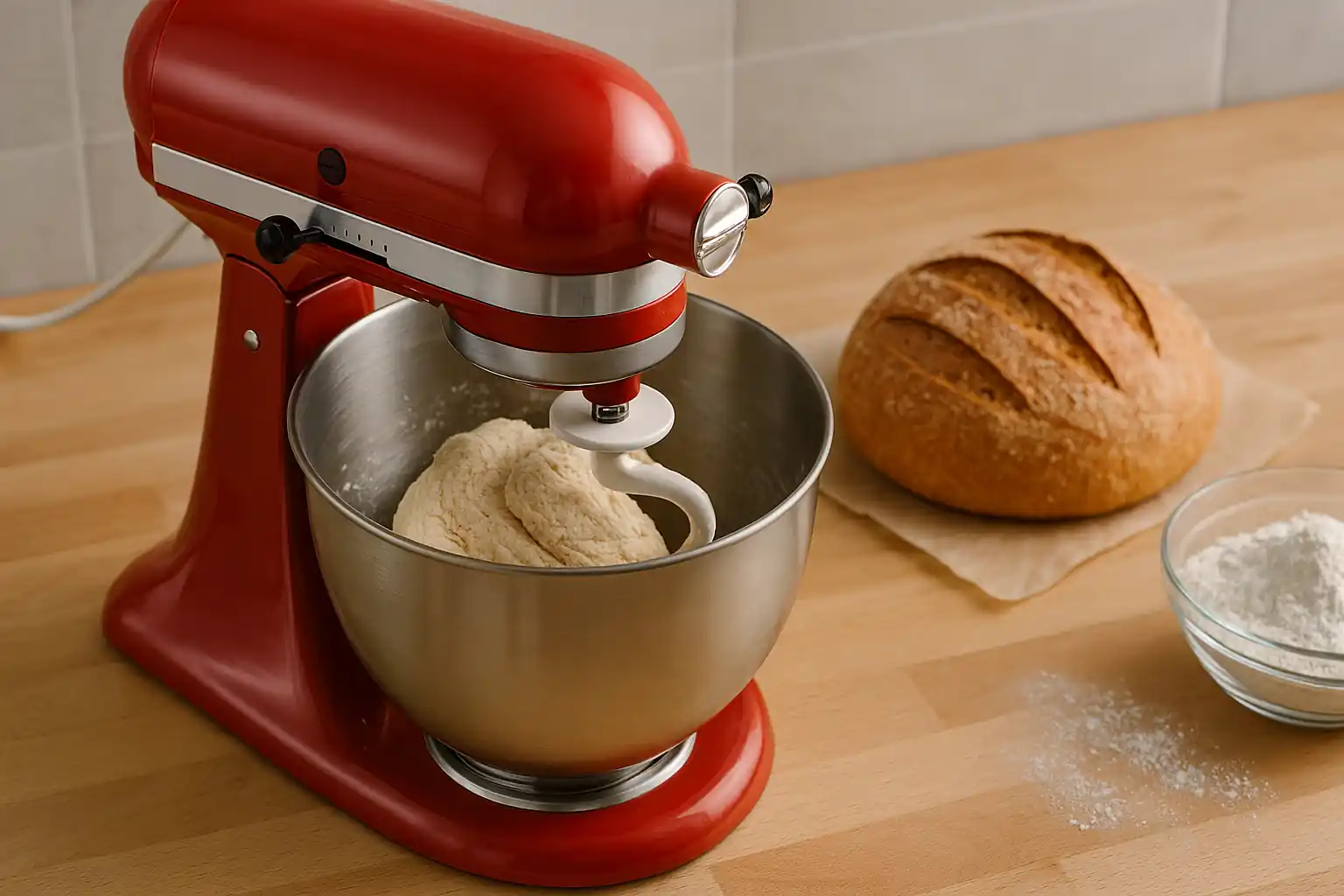 →
→Best Stand Mixer for Bread Dough: Top Picks, Reviews & Buying Guide
Best Stand Mixer for Bread Dough: Ultimate Guide and Reviews Baking bread at home has never been easier, thanks to the versatility and power of modern stand mixers. Whether you’re a beginner baker or a professional looking for a reliable professional stand mixer for bread, choosing the right appliance can make all the difference in … Read more
· 8 min read
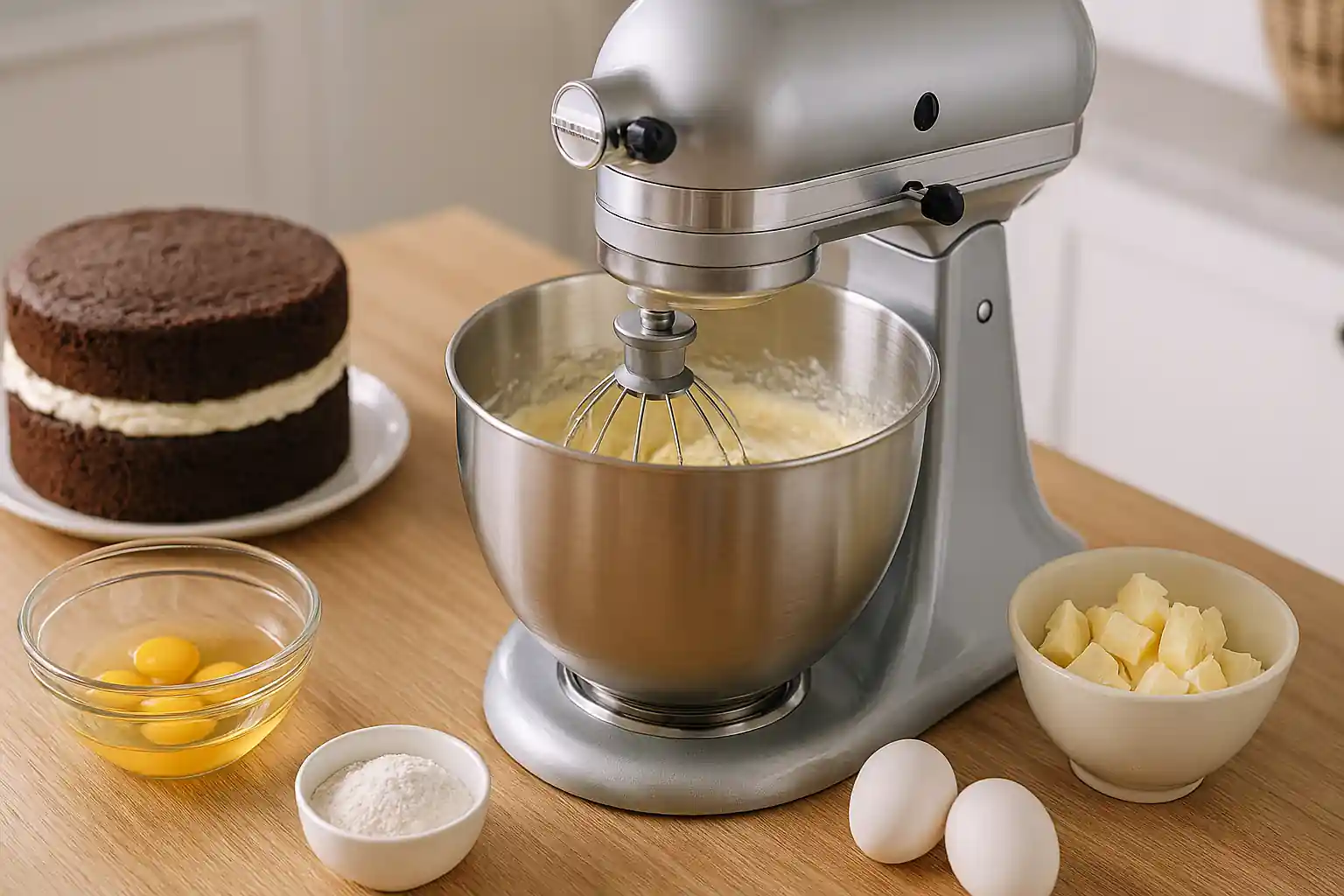 →
→Stand Mixer for Cakes: What to Look For | Best Stand Mixer Buying Guide
Stand Mixer for Cakes: What to Look For Choosing the perfect stand mixer for cakes can be a daunting task, especially with so many models, features, and accessories available. Whether you are a beginner baker or a seasoned home chef, understanding what to look for in a stand mixer can save you time, effort, and … Read more
· 8 min read
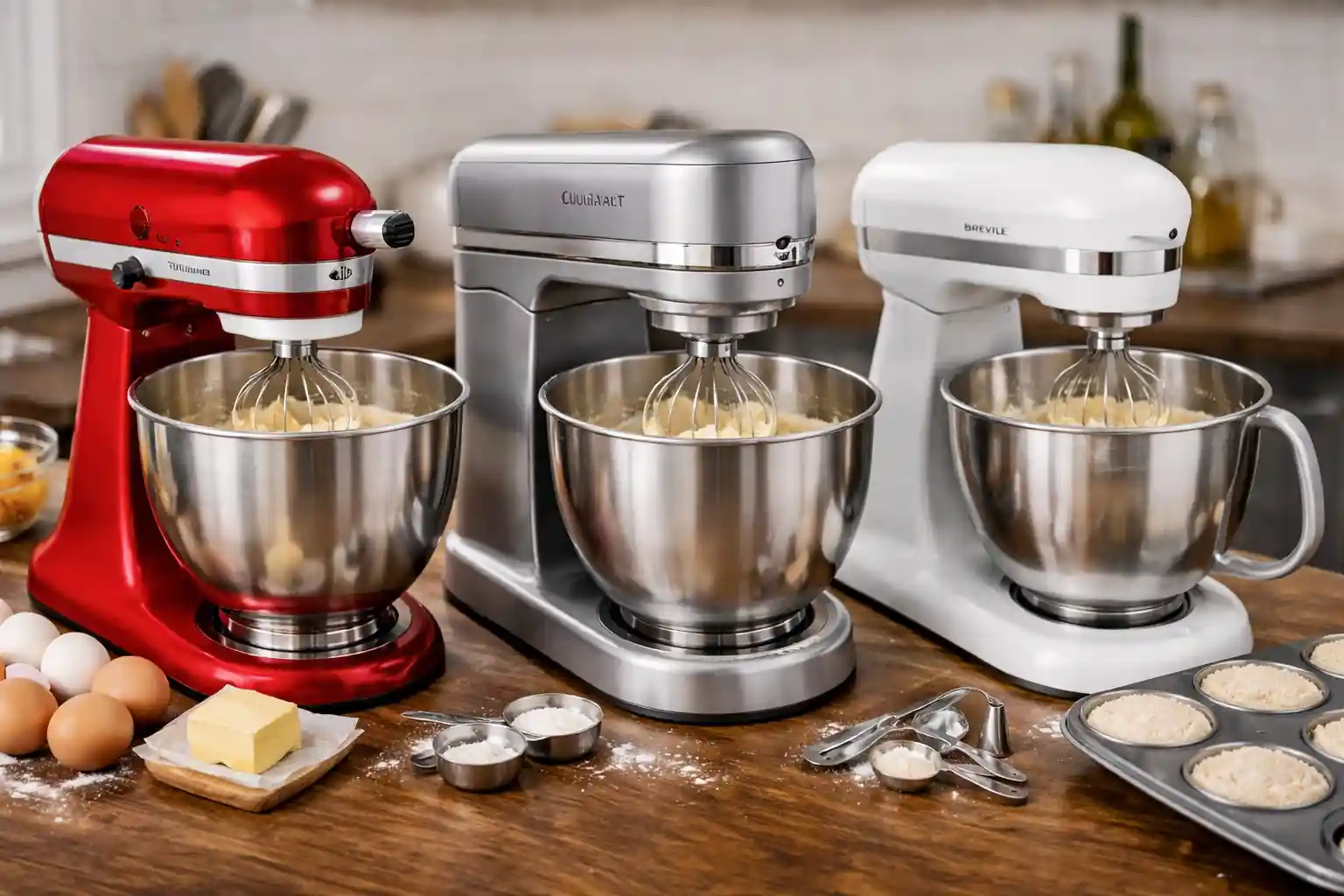 →
→Best Stand Mixer for Beginners: Top KitchenAid, Cuisinart & More Reviewed
Best Stand Mixer for Beginners: A Complete Buying Guide If you’re a home baker, cooking enthusiast, or professional chef, having a reliable stand mixer can transform your kitchen experience. From kneading dense bread doughs to whipping fluffy meringues, the right mixer makes baking easier, faster, and more enjoyable. This guide will cover everything you need … Read more
· 7 min read