Can Cats Eat Yogurt? Is Greek Yogurt Safe?
Can Cats Eat Yogurt? A Complete Guide for Cat Owners When it comes to feeding your cat, you want to make sure they are getting the best nutrition possible. As cat owners, we are always looking for healthy snacks and treats that we can offer our feline companions. One question that often arises is: can … Read more
By Menu Moments
Menu Moments editorial
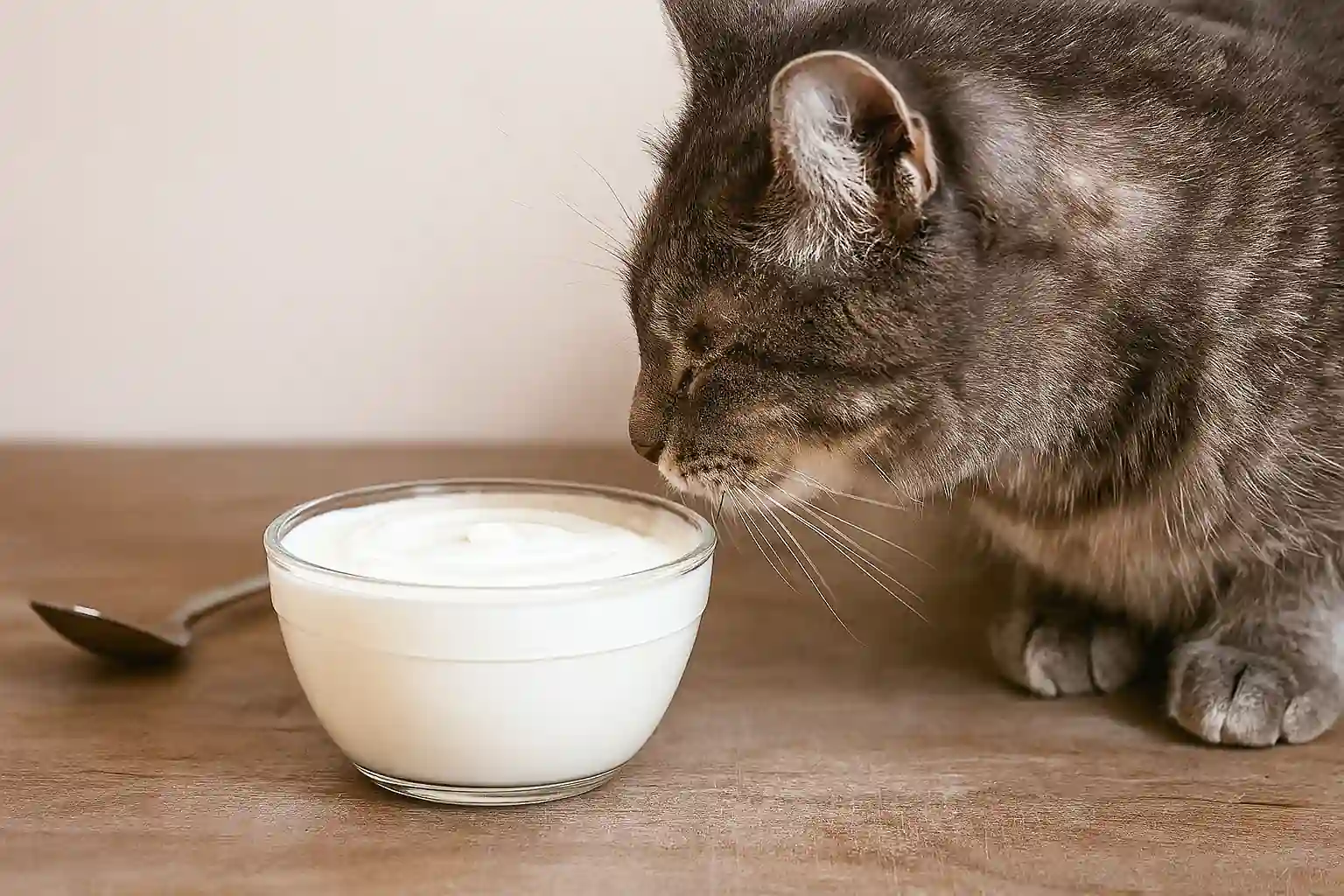
Can Cats Eat Yogurt? A Complete Guide for Cat Owners
When it comes to feeding your cat, you want to make sure they are getting the best nutrition possible. As cat owners, we are always looking for healthy snacks and treats that we can offer our feline companions. One question that often arises is: can cats eat yogurt? You might have heard that yogurt has various health benefits for humans, but what about for cats? In this guide, we will explore whether yogurt is safe for cats, its benefits, and potential risks.
Can Cats Eat Yogurt?
The answer to this common question is yes, cats can eat yogurt, but with a few important considerations. While yogurt is not inherently toxic to cats, it’s essential to understand how your cat’s digestive system works and how to feed yogurt in moderation. Not all types of yogurt are suitable for cats, and it’s crucial to choose the right kind of yogurt to ensure its safety and health benefits for your feline friend.
What is Yogurt?
Yogurt is a dairy product made by fermenting milk with bacterial cultures. The fermentation process creates beneficial bacteria, often called probiotics, which contribute to digestive health. Greek yogurt and plain yogurt are common types of yogurt that people often consume, but when it comes to feeding yogurt to your cat, there are some important factors to keep in mind.
Types of Yogurt
Not all yogurts are created equal. Some types of yogurt are better suited for cats, while others should be avoided. Let’s look at the different types of yogurt you can consider:
-
Greek Yogurt: Greek yogurt is a popular choice for humans, but it’s also a good option for cats in small amounts. It’s thicker and has a higher protein content than regular yogurt. The probiotics in Greek yogurt can benefit your cat’s digestive system, but it should always be plain and unsweetened.
-
Plain Yogurt: Plain yogurt, especially when it’s unsweetened, is a safe option for your cat. It contains no added sugars or artificial flavors, making it a better option than flavored varieties. However, it should still be given in moderation.
-
Flavored Yogurt: Flavored yogurts, like vanilla or strawberry, should be avoided. They often contain added sugars, artificial sweeteners, and other ingredients that are harmful to your cat’s health. For example, xylitol, a sugar substitute, is toxic to cats.
-
Low-Fat or Fat-Free Yogurt: While low-fat or fat-free yogurt may seem like a healthier option for humans, it’s not always the best choice for your cat. Cats need fat in their diet for energy, so regular yogurt (unsweetened) is a better option for them.
Can Cats Eat Greek Yogurt?
Greek yogurt is a popular choice for people due to its creamy texture and high protein content. So, can cats eat Greek yogurt? The answer is yes, cats can eat Greek yogurt in small amounts. Greek yogurt contains probiotics, which are beneficial for your cat’s digestive health. However, be sure to choose plain Greek yogurt that is unsweetened, as flavored varieties can be harmful.
Greek yogurt also has a lower lactose content compared to regular yogurt, making it easier for cats who are lactose intolerant to digest. But even with Greek yogurt, you should still be cautious and only offer small servings to your cat.
Is Yogurt Safe for Cats?
Yogurt can be safe for cats, but there are a few important considerations. First, it’s important to remember that many cats are lactose intolerant. This means that most cats have difficulty digesting lactose, the sugar found in milk and dairy products like yogurt. While yogurt does contain less lactose than other dairy products, it can still cause digestive issues in some cats, especially if given in large amounts.
Lactose Intolerance in Cats
Most adult cats are lactose intolerant, meaning they lack the enzyme lactase, which is required to break down lactose in dairy products. If you give your cat too much yogurt or other dairy products, it could lead to symptoms like:
-
Diarrhea
-
Vomiting
-
Gas or bloating
-
Stomach cramps
If your cat has a sensitive stomach or shows signs of discomfort after eating yogurt, it’s best to avoid giving it to them in the future. Plain Greek yogurt or unsweetened plain yogurt is less likely to cause issues due to its lower lactose content, but always observe your cat’s reaction when introducing new foods.
Benefits of Yogurt for Cats
While yogurt is not a necessary part of your cat’s diet, there are some potential health benefits of yogurt that make it an occasional treat worth considering. Here are some ways yogurt can be beneficial for your cat:
-
Probiotics: Yogurt contains probiotics, which are beneficial bacteria that help promote a healthy digestive system. If your cat is experiencing digestive issues, probiotics may help regulate their gut flora and improve overall digestion.
-
Calcium: Yogurt is a good source of calcium, which is essential for maintaining strong bones and teeth. However, most cats get sufficient calcium from their regular cat food, so yogurt should not be relied upon as a primary source of this nutrient.
-
B12 and Potassium: Yogurt contains essential vitamins and minerals like B12 and potassium, which support overall health and well-being. While cats typically receive these nutrients from their regular cat food, yogurt can be a nice supplement in small amounts.
How to Feed Yogurt to Your Cat
If you decide to offer yogurt to your cat, it’s important to do so in a safe and controlled manner. Here are some tips on how to feed yogurt to your cat:
-
Start with Small Amounts: Introduce yogurt to your cat’s diet gradually, starting with a small spoonful. This will help you gauge whether your cat has any adverse reactions to it.
-
Only Offer Plain, Unsweetened Yogurt: Always choose plain yogurt that is unsweetened and free from artificial sweeteners. Avoid flavored yogurts that contain additives, sugars, and toxic ingredients like xylitol.
-
Serve as an Occasional Treat: Yogurt should be treated as an occasional treat and not a regular part of your cat’s diet. It should never replace their main source of nutrition, which should come from a balanced and high-quality cat food.
-
Monitor for Digestive Issues: After feeding your cat yogurt, monitor them closely for any signs of digestive issues such as diarrhea or vomiting. If your cat has lactose intolerance or a sensitive stomach, it’s best to avoid giving them yogurt altogether.
Risks of Feeding Yogurt to Your Cat
While yogurt can be a tasty treat for your cat, there are some risks of feeding yogurt that you should be aware of:
-
Lactose Intolerance: As mentioned earlier, many cats are lactose intolerant. Yogurt, despite having less lactose than milk, can still cause digestive issues in some cats. Always observe your cat’s reaction when introducing yogurt to their diet.
-
High Sugar Content in Flavored Yogurts: Flavored yogurts, especially those with added sugar or artificial sweeteners like xylitol, can be harmful to cats. Xylitol is toxic to cats and can cause dangerous drops in blood sugar, seizures, and liver failure.
-
Weight Gain: While yogurt is generally safe for cats, it can contribute to weight gain if fed too frequently. Yogurt contains calories, so it’s essential to feed it in moderation and ensure that it doesn’t interfere with your cat’s regular diet.
If you're wondering what to feed your bunny, this guide on rabbit diet covers everything from hay to pellets for all life stages.
Conclusion: Is Yogurt Good for Cats?
In conclusion, cats can eat yogurt, but it should only be given in moderation. Plain, unsweetened Greek yogurt or regular yogurt can offer health benefits for cats due to the presence of probiotics and other nutrients like calcium and potassium. However, lactose intolerance is a common issue in cats, so it’s essential to monitor your cat’s reaction when introducing yogurt to their diet.
As a cat owner, it’s best to treat yogurt as an occasional treat and not a regular part of your cat’s daily diet. Always consult with your veterinarian if you have concerns about feeding yogurt to your cat, especially if they have digestive issues or other health conditions.
Enjoyed this?
A recipe, a tip and a link worth clicking — every Sunday.
Free. Weekly. Unsubscribe anytime.
Keep reading
More from Affiliate product guides
 →
→Can Dogs Eat Eggplant? Benefits & Safe Feeding Tips
Can Dogs Eat Eggplant? If you’re a dog owner, you might often wonder about the safety of feeding your furry friend various human foods. Among the many vegetables available, eggplant is one that often raises questions. Can dogs eat eggplant? Is it safe for them? In this comprehensive guide, we will explore the nutritional benefits, … Read more
· 5 min read
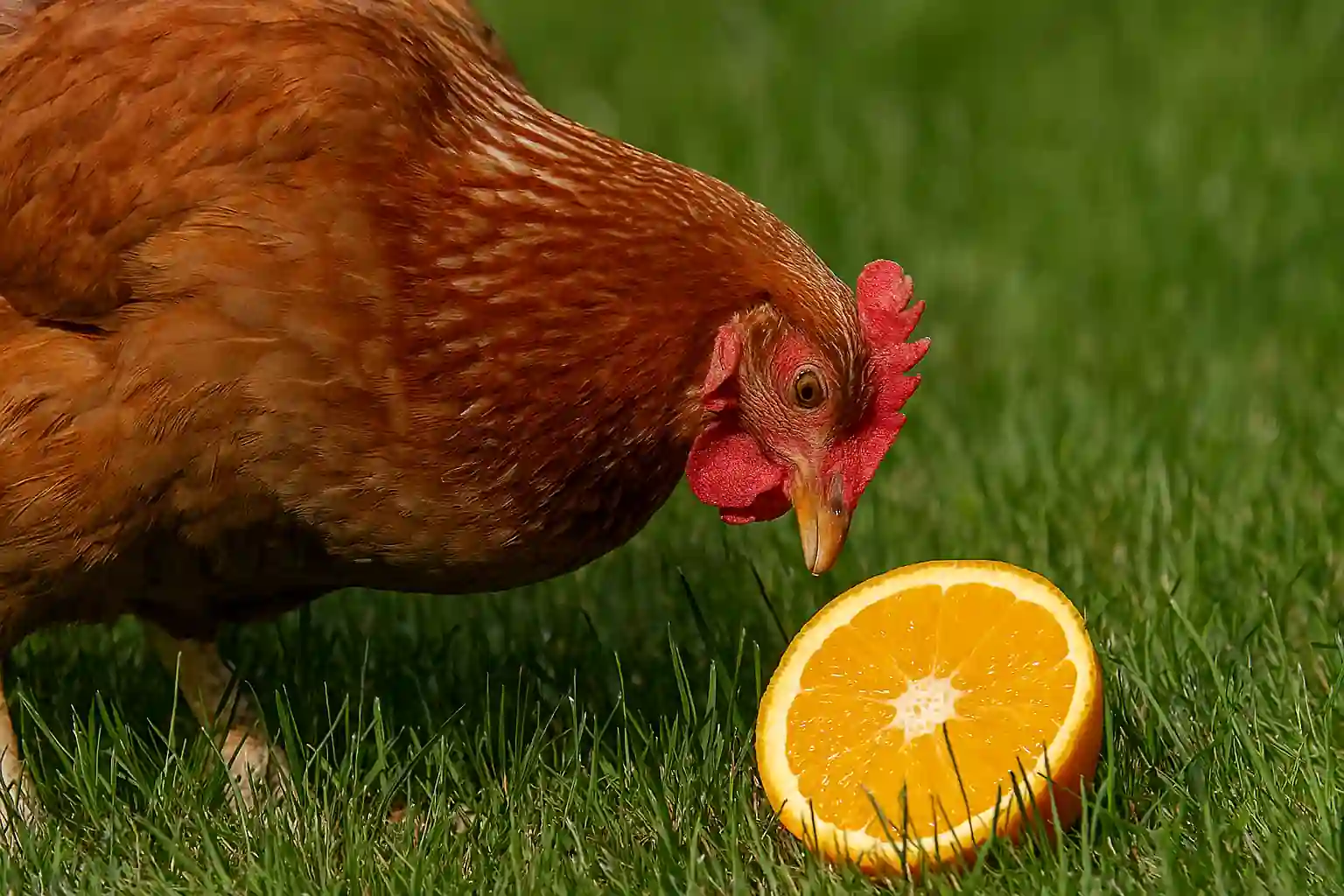 →
→Can Chickens Eat Oranges? Safe Backyard Chicken Food Guide
Can Chickens Eat Oranges? Everything You Need to Know As a backyard chicken owner, you may be wondering if it’s safe to treat your chickens with fruit like oranges. Chickens, like many other animals, enjoy a variety of foods, but not everything is good for them. In this guide, we’ll explore whether oranges are safe … Read more
· 5 min read
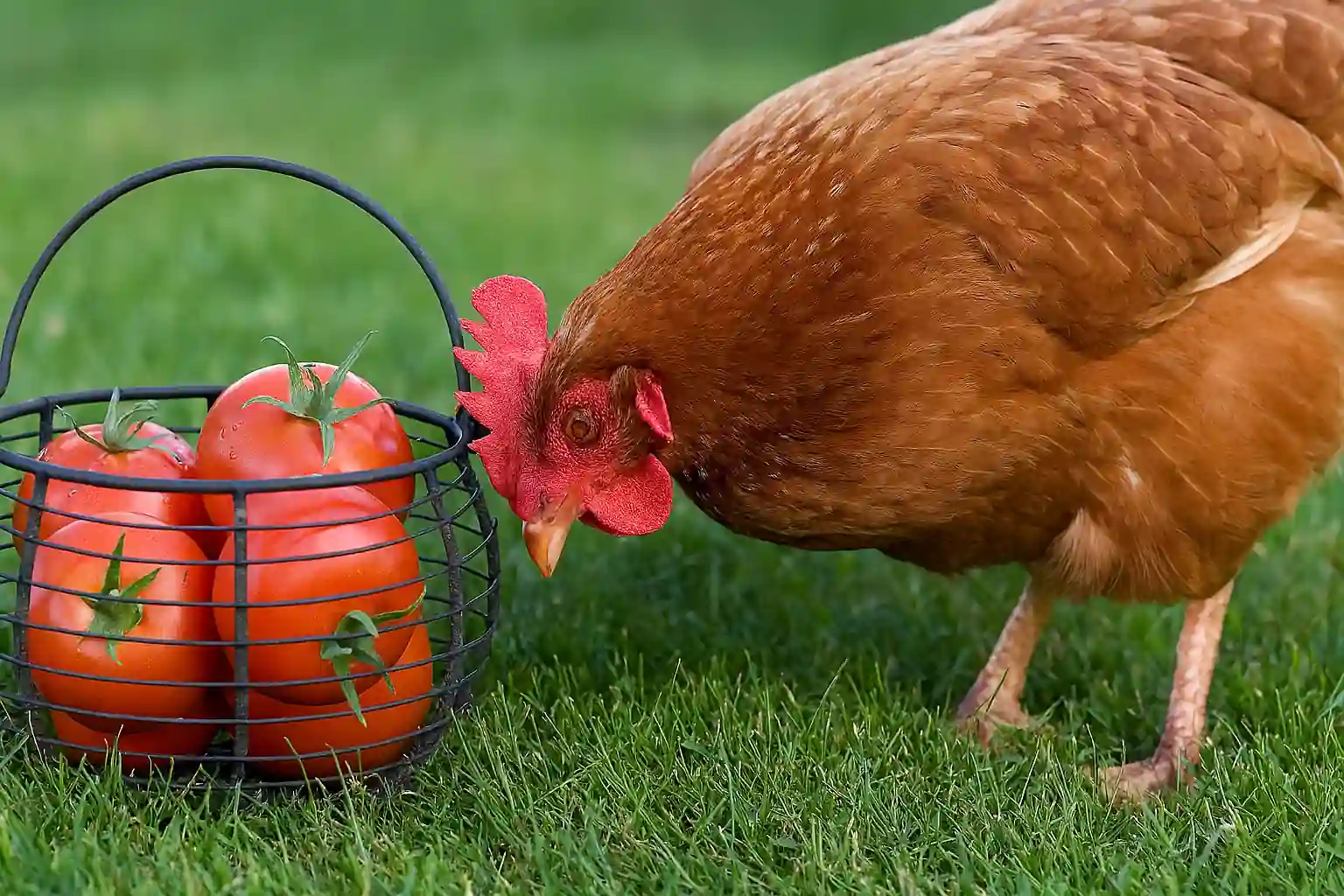 →
→Can Chickens Eat Tomatoes? A Guide for Backyard Chickens
Can Chickens Eat Tomatoes? A Complete Guide When it comes to feeding your chickens, it’s essential to know which foods are safe for them to consume. Many backyard chicken keepers wonder whether tomatoes can be added to their chickens’ diet. As an abundant fruit in most gardens, tomatoes are a tempting food to offer to … Read more
· 5 min read